



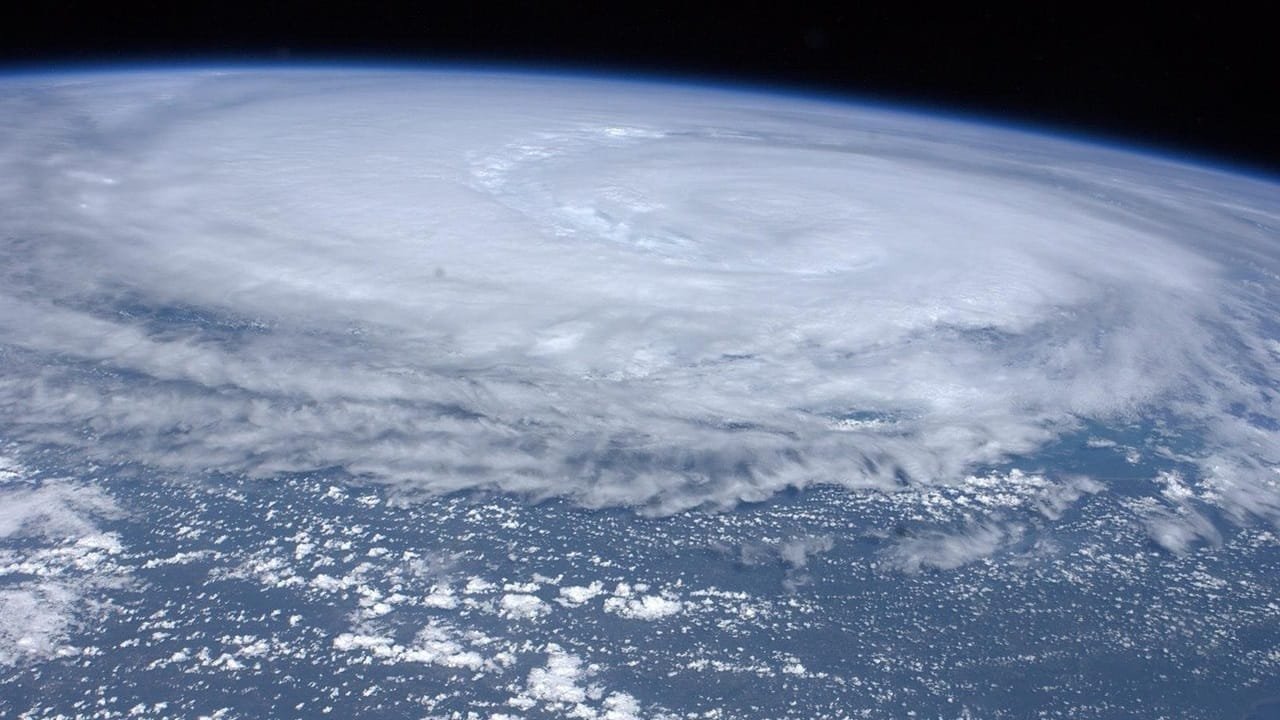
Transpacific container freight rates have risen roughly 14% in the past week on a confluence of typhoon disruptions across Asia and demand for shipments related to the artificial intelligence (AI) industry.
Logistics experts say the latest spike in rates is largely due to port congestion in China and other parts of Asia, although AI-related cargo has helped offset some of the slowdown in traditional consumer goods shipments.
“The rapid build out of AI infrastructure in the United States has created more demand for freight,” said Ted Chen, director of ocean freight at Dimerco Express Group. However, he said that has not been enough to fully offset the drop in consumer-driven cargo volumes.
Chen said frontloaded shipments across the Pacific have already crested and freight rates are beginning to ease from recent highs. European routes are expected to follow a similar trend, he added.
Even with weaker demand, shipping costs are not expected to fall at the same pace, with fuel prices and canal surcharges still keeping the market’s cost base high, said Chen.
Market conditions have changed again since Dimerco published its latest market report. “The transpacific trade continues to be very dynamic, with blank sailings, cargo backlogs and operational disruptions from recent typhoons constraining available vessel capacity,” said Chen.
Consequently, weather-related congestion continues to provide crucial support for higher freight rates, even with some signs of a weakening global consumer demand. This underscores the growing importance of business disruptions and emerging technology segments in the container shipping industry.