



South Carolina Ports and the U.S. Army Corps of Engineers have entered into a feasibility study agreement to examine the possibility of further deepening the North Charleston Terminal (NCT), a project that could significantly strengthen the Port of Charleston’s competitive position in the U.S. maritime sector.
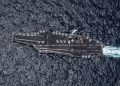
The North Charleston Terminal is currently maintained at a depth of 48 feet. By comparison, the Port of Virginia operates the deepest harbor on the U.S. East Coast, reaching 55 feet—a depth mandated by Congress partly to accommodate aircraft carriers serving the nearby Norfolk naval base.
Charleston Harbor, however, already holds a strategic advantage in the southeastern United States. At 52 feet, it is currently the deepest harbor in the region. Further dredging would allow all of Charleston’s container terminals to accommodate the world’s largest container ships at any stage of the tide, improving the port’s competitiveness and operational flexibility.
“Deepening this final stretch makes our port more competitive and supports our long-term plan to modernize and enhance North Charleston Terminal,” said SC Ports President and Chief Executive Micah Mallace in a release. “Having the deepest harbor in the Southeast ensures expedited logistics for port customers and enhances South Carolina’s competitiveness, helping to drive cargo growth and create jobs.”
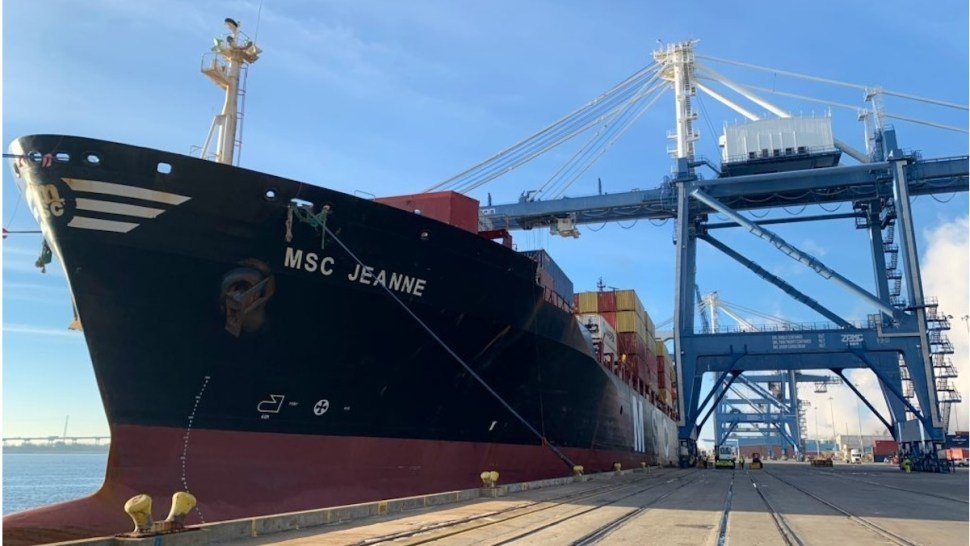
The stakes are considerable as container vessels continue to increase in size. Mediterranean Shipping Co.’s Irina Class vessels are currently the world’s largest container ships, with a capacity of 24,364 twenty-foot equivalent units (TEUs).
Charleston Harbor was deepened to 52 feet in 2022, including the waterways leading to the Wando and Leatherman terminals. That project enabled two-way vessel traffic at any tide. The planned dredging of the Cooper River between the Leatherman and North Charleston facilities would represent the final step in completing the broader harbor-deepening effort.
The newly signed agreement officially launches the U.S. Army Corps of Engineers’ engineering, environmental and economic analysis of the project. According to the port, the study was authorized under the Water Resources Development Act of 2024, with $500,000 allocated through federal appropriations for fiscal year 2026.
The initiative comes at a particularly sensitive moment for South Carolina Ports. The state agency shut down operations at the Leatherman Terminal in August, citing an uncertain trade outlook for the second half of 2026 and the need to reduce costs.
The closure occurred despite a sharp increase in demand and rapidly rising shipping rates. Freight rates from Asia to the U.S. eastern seaboard had climbed above $9,000, underscoring the volatility currently affecting global trade and container shipping markets.
“The Port of Charleston is the economic engine of our state. Ensuring the harbor remains the deepest harbor in the Southeast preserves the Port’s competitiveness and efficiency by attracting the biggest container ships in the world,” said Sen. Darline Graham in a statement.
“It’s vital we examine the feasibility of deepening the Upper Harbor. I look forward to reviewing its findings and working with stakeholders to make sure the federal government remains helpful and engaged.”
For South Carolina, the additional depth being studied could therefore represent far more than a few extra feet of water. The ability to consistently accommodate the world’s largest container vessels could translate into stronger cargo volumes, faster logistics, increased competitiveness and, potentially, millions of dollars in economic value for the state and its port infrastructure.