



Trafigura is making a significant shift in its approach to tanker shipping, moving beyond chartering capacity to take direct ownership of vessels through the launch of Volare Shipping.
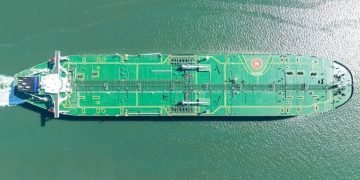
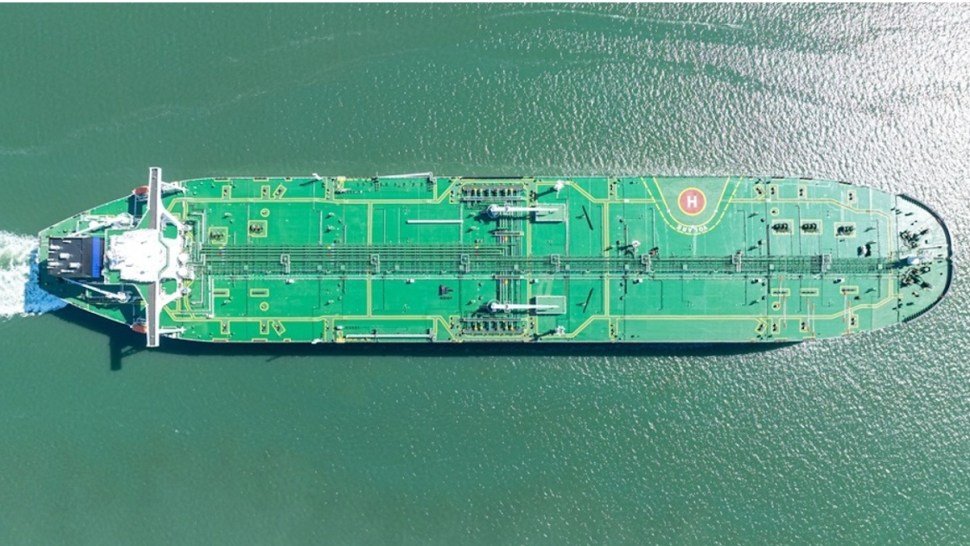
The new company will initially operate six very large crude carriers (VLCCs), with another eight newbuildings on order, as part of a $500 million capital-raising plan and a proposed listing on Euronext Growth Oslo. The move comes as tanker availability and freight costs become increasingly important to the economics of global crude trading.
Volare is expected to operate a 14-VLCC fleet, deepening Trafigura’s involvement in vessel ownership at a time when disruptions linked to the Iran war have pushed tanker charter rates to record levels of as much as $1 million a day.
That daily rate is more than a month’s revenue for most charterers, according to Francis Higgins, managing director of Ashford Advisory LLC.
The fleet will begin with six VLCCs already in operation, while eight newbuild vessels are scheduled for delivery between 2026 and 2028. Reports indicate that Singapore-based Trafigura intends to raise $500 million through a private placement before listing Volare on Euronext Growth Oslo on or around October 5, subject to completion of the share sale and approval from the exchange. The planned ticker is “VLCC.”
The transaction represents a notable change for a commodity trader that has traditionally relied heavily on chartered tanker capacity rather than holding shipping assets directly on its balance sheet.
Chartering provides flexibility in normal market conditions, allowing traders to adjust their exposure as cargo flows change. But when the spot market tightens, that model can leave them exposed to sharp increases in freight costs and greater difficulty securing suitable vessels.
“The aim is to maximize earnings of these vessels,” Trafigura head of shipping Andrea Olivi told Reuters, adding that the tankers could carry cargoes for Trafigura itself or serve third-party customers.
Olivi also said that most of Trafigura’s privately held VLCC business has historically involved third-party cargoes.
Trafigura reported revenue of $141.9 billion in the first half of 2026, an increase of 19% from the same period a year earlier.
Securing capacity when the market tightens
The ownership strategy gives Trafigura two potential advantages as tanker markets become more volatile.
The first is greater control over physical capacity. Owned VLCCs can provide the trading group with access to vessels for its own crude movements without requiring it to compete for ships in a tightening charter market, particularly when geopolitical disruptions alter established trade patterns, extend voyage distances or make certain loading areas more difficult to serve.
The second is the ability to capture tanker earnings when freight rates are elevated.
Rather than directing all of that freight expenditure to independent shipowners, Trafigura can use its own vessels for internal cargoes, charter them to external customers or choose the option that offers the strongest return.
That flexibility has become more valuable as supply disruptions associated with the Iran war and the Ukraine conflict push tanker rates higher and encourage market participants to secure additional VLCC and Suezmax capacity.
The launch of Volare therefore points to a broader shift in how tanker capacity is viewed. For commodity traders, ships are increasingly becoming a strategic asset rather than simply a transport service purchased on a voyage-by-voyage basis.
Trafigura currently manages about 500 vessels across multiple shipping segments, including approximately 250 oil tankers.
For refiners, producers and trading companies, the ability to guarantee the physical movement of crude can be nearly as important as the outright price of the commodity.
A trading opportunity can lose much of its value if a buyer cannot secure a vessel at an economically viable rate, within the required laycan the agreed arrival window or on a route acceptable to insurers, banks and other stakeholders.
A separate listed vehicle for tanker expansion
Volare’s proposed public listing would separate the capital-intensive tanker investment from Trafigura’s privately held trading business.
At the same time, it would give investors direct exposure to tanker assets and VLCC earnings while providing Trafigura with an external source of capital to support future fleet expansion.
The strategy also carries a clear exposure to the cyclical nature of tanker shipping.
The eight newbuild VLCCs scheduled for delivery through 2028 will enter service in a market that could have a significantly different supply-and-demand balance by the time those vessels are delivered.
For Trafigura, however, the immediate objective is clear: secure greater access to scarce VLCC capacity while creating another way to participate directly in strong freight markets.
Why it matters: Trafigura’s new tanker unit gives the commodity trader direct access to scarce VLCC capacity and freight-market upside while reducing its exposure to volatile shipping costs.