



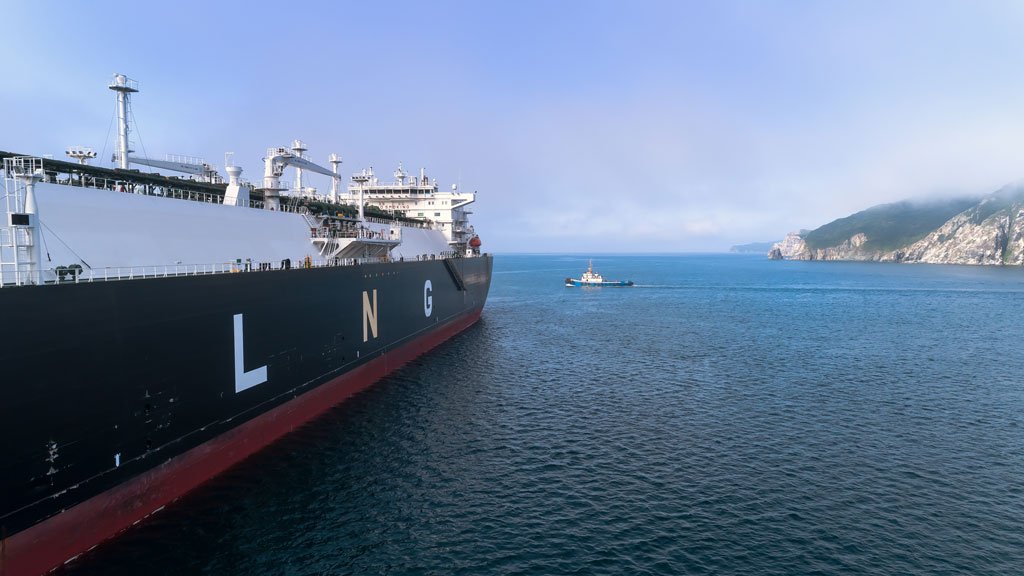
LNG Canada has confirmed that it will proceed with the Phase 2 expansion of its liquefied natural gas export terminal in Kitimat, B.C., a major project that will significantly increase the facility’s export capacity.
The expansion is expected to double LNG Canada’s capacity, bringing it to 28 million tonnes per year.
The project is one of five initial developments that were referred to Ottawa’s major projects office last year.
LNG Canada CEO Chris Cooper said the expansion will create thousands of jobs while further strengthening Canada’s position as a trusted energy partner.
“LNG Canada Phase 2 is another nation-building investment that demonstrates Canada can build big things when governments, First Nations partners, local communities, skilled trades, contractors and investors work together with shared purpose,” Cooper said in a statement.
The company’s first-phase project began shipping liquefied natural gas last year. Phase 2 will build directly on the footprint and infrastructure already established during the initial development.
The expansion will include two additional LNG processing units, known as trains, along with another LNG storage tank, a condensate tank and an additional loading berth. The project will also involve expanded utility and process systems to support the larger operation.
LNG Canada said it is also working with Coastal GasLink to increase the capacity of the existing 670-kilometre pipeline. That work will involve the construction of five new compressor stations to support the expanded LNG operation.
LNG Canada is a joint venture involving Shell, Malaysia’s Petronas, PetroChina, Japan’s Mitsubishi Corp. and South Korea’s KOGAS.