




Cargo theft across the UK and Europe is becoming increasingly sophisticated, with organised criminal groups moving well beyond opportunistic theft to deliberately identify and target valuable shipments.
During the 18 months ending 30 June 2026, the Transported Asset Protection Association (TAPA) EMEA recorded more than 58,000 freight thefts across 101 countries in the Europe and UK region. Although only 7.8 percent of the reported incidents included a stated loss value, those cases alone involved more than €1.02 billion worth of goods targeted and stolen. That represents an average loss of more than €1.8 million every 24 hours.
In comments to secure parking and payments provider SNAP, TAPA said criminal networks are becoming increasingly structured. Different specialist groups can be involved in gathering intelligence, conducting surveillance, carrying out thefts, transporting stolen goods, storing them and eventually reselling them.
New methods, familiar vulnerabilities
Traditional threats such as curtain slashing and theft from unsecured parking areas remain widespread. At the same time, criminal groups are adopting more sophisticated techniques, including fake carriers, identity theft, fictitious collections, document fraud and cyber-enabled attacks.
Cargo and booking systems, social media platforms and commercially sensitive information are being used to identify valuable shipments before they are even on the road. High-demand goods such as pharmaceuticals, electronics, food, alcohol, tobacco and vehicle parts are among the commodities being deliberately targeted.
Despite the growing sophistication of organised cargo crime, TAPA points to one of the most basic vulnerabilities in the transport chain: where a vehicle stops.
The association warns that “Freight at Rest is Freight at Risk”, highlighting that many thefts take place while vehicles are parked during legally required rest periods, overnight stops or unexpected delays.
Europe still faces a major secure parking shortage
The shortage of suitable and secure parking facilities is adding to the problem. According to the European Commission, the European Union currently lacks 390,057 safe and secure parking spaces for professional drivers. That shortfall is expected to rise to 483,000 by 2040.
Across mainland Europe, operators increasingly have access to facilities certified under TAPA’s Parking Security Requirements (PSR). The UK, however, still has relatively few independently certified secure truck parks, according to TAPA.
As a result, drivers may have to rely on motorway service areas, industrial estates and other unsecured locations, many of which can be attractive targets for organised criminal groups.
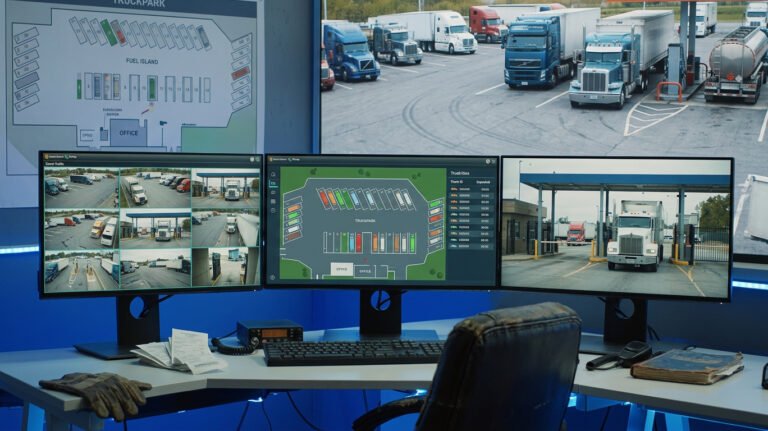
TAPA stressed that effective secure parking involves much more than CCTV cameras or perimeter fencing. Security also depends on controlled access, surveillance, active site management, adequate lighting, trained personnel, documented procedures and an effective incident-response process.
Standards such as TAPA PSR and ESPORG assess these broader security measures and provide independent assurance for operators using certified facilities.
Planning stops before the journey begins
SNAP said improved access to secure parking, combined with the ability to organise stops in advance, could help reduce exposure to cargo crime.
Digital booking systems can provide greater certainty that a parking space will be available when a driver arrives. This can reduce the likelihood of drivers being forced to stop in unsecured areas because secure facilities are already full.
Technologies such as automatic number plate recognition (ANPR) can also help verify vehicles and drivers, ensuring that only authorised users are admitted to participating secure sites.
“Cargo crime is becoming increasingly sophisticated, but one of the fundamental risks remains incredibly simple: where a vehicle stops. Drivers have to take legally required breaks, and they should be able to do that somewhere that protects both them and the load they are carrying. Secure parking therefore needs to be considered as part of journey planning from the outset, particularly when transporting high-value or high-risk goods. Technology can help fleets plan ahead, secure appropriate parking and make better use of the infrastructure already available across Europe. But ultimately, tackling cargo crime requires collaboration across the entire industry,” said Nick Long, head of UK commercial at SNAP.
Closing the gap in Europe’s secure parking infrastructure will require continued investment, upgrades to existing facilities, wider adoption of recognised security standards and stronger cooperation across the industry.
Governments, local authorities, parking providers, transport operators, insurers and industry associations will all have a role to play in improving the availability and security of parking facilities for professional drivers and the cargo they carry.