



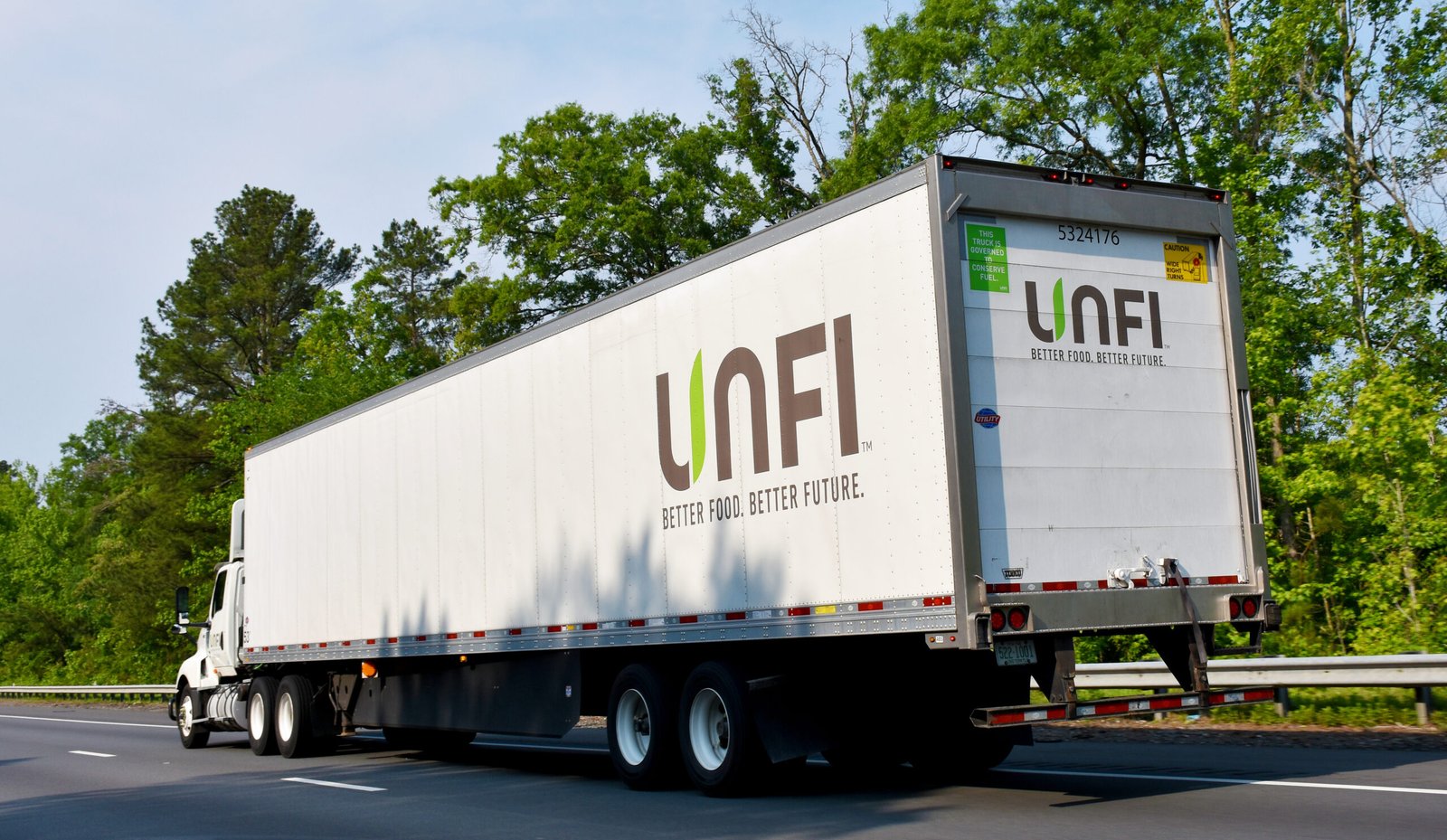
United Natural Foods, Inc. (UNFI) is using a mix of fuel hedging, contract management and artificial intelligence to help offset the impact of rising diesel prices on its distribution operations. The company explained its approach at the Goldman Sachs Global Consumer and Retail Conference on September 15, detailing how financial risk management and transportation technology are helping to contain operating expenses.
Diesel costs have soared in the United States this year, largely in the wake of the war involving Iran. The trend has been up since the conference. The Energy Information Administration (EIA) released data on October 12 that showed the average U.S. on-highway diesel price hit $6.18 per gallon, or $2.51 higher than a year ago.
More cost visibility with fuel hedging
To address this pressure, UNFI continues to utilize proven financial tools, including fuel hedging. CEO Sandy Douglas said the company’s strategy was helping to keep its exposure to fuel-price fluctuations at a reasonable level.
Fuel hedging enables companies to fix a price for diesel they anticipate purchasing in the future, lessening the risk when the market price shifts. “The mechanism provides a hedge against rising prices, but it can also stifle the benefits of falling prices,” Dean Croke, principal industry analyst at DAT Freight & Analytics, told Supply Chain Dive.
If diesel prices go higher than the agreed price, the hedge makes up the difference. Alternatively, the company could lose out on potential savings if prices fall. “The biggest benefit is predictability, so companies can budget expenses and plan their operations with more confidence,” Croke said in an email.
But the strategy may still pay off for companies that buy millions of gallons of diesel annually if market prices fall later. “Predictable fuel costs also give investors confidence that costs are being controlled,” DAT said.
AI technology helps reduce delivery mileage
Beyond financial measures, UNFI is using Samsara’s AI-powered visibility platform to improve transportation performance and limit fuel consumption.
The technology was intended to provide greater visibility into transportation data across UNFI’s distribution network, which comprises nearly 50 distribution centers and approximately 2,000 delivery vehicles.
Douglas said the platform was helping the company improve the efficiency of customer deliveries while reducing the total distance traveled. By identifying opportunities to optimize routes and eliminate unnecessary mileage, UNFI can address fuel expenses through operational improvements as well as financial hedging.
A UNFI spokesperson confirmed in an email that Samsara is among several technologies the company uses to strengthen safety, effectiveness and efficiency across its transportation fleet. The platform helps identify opportunities to optimize delivery routes and reduce unnecessary miles, the spokesperson added.
Other food companies seek to offset transportation inflation
UNFI is not alone in adjusting its supply chain strategies to cope with higher fuel and logistics expenses. Other major food and grocery businesses are also relying on contractual arrangements and productivity improvements to contain rising costs.
Costco has largely offset additional fuel surcharges through lower contracted shipping rates, Executive Vice President and Chief Financial Officer Gary Millerchip said during the company’s fourth-quarter earnings call last month.
McCormick & Co. is taking a different approach to its cost pressures. During an earnings call on October 1, Executive Vice President and Chief Financial Officer Marcos Gabriel said the company was mitigating higher freight, logistics, packaging and input costs by drawing on savings generated through productivity initiatives, including its Comprehensive Continuous Improvement program.
Together, these strategies illustrate how food-sector businesses are combining financial planning, negotiated transportation rates and operational efficiencies to manage escalating costs across their supply chains.