



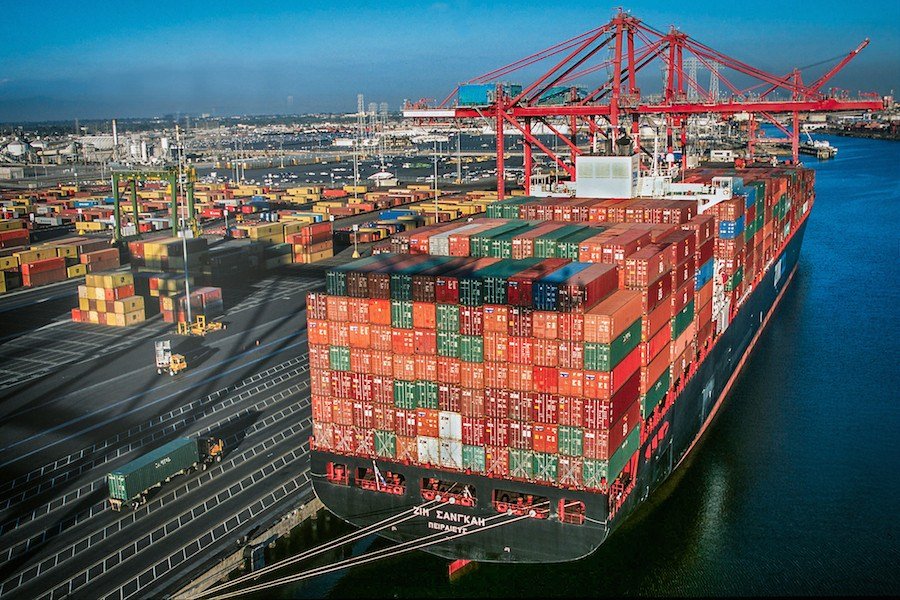
Cargo volumes increased at the Ports of Los Angeles and Long Beach in September 2026, further stressing container movements and extending peak-season issues for one of the United States’ most vital freight gateways. The massive volume of goods moving through the San Pedro Bay complex has led to longer container dwell times for both truck and rail, said the Pacific Merchant Shipping Association (PMSA).
In September, containers waited an average of 3.18 days at the ports for local trucks, versus 2.95 days in August. Average dwell times for rail-bound containers increased to 7.19 days from 6.75 days in the previous month. The figures, published by PMSA on October 15, highlight the pressure that sustained cargo demand is putting on terminal operations and inland transport connections.
“September was a record-setting month for both ports,” said Natasha Villa, senior manager of public affairs at PMSA. “The volume of cargo moving through the complex is contributing to longer waiting times.” “The biggest pressure point, she said, was rail dwell. The association also cited continued coordination among marine terminals, drayage providers and rail partners as they work to keep freight moving through the extended peak season and adjust to changing cargo patterns as they head into the final quarter of the year.
The latest figures also show how waiting times have changed over the last 13 months. Truck dwell was under three days for most of the period, but rail dwell increased significantly during the summer of 2026, reaching its highest level on record in September.
Several overlapping factors have contributed to the unusually strong activity at San Pedro Bay. The ocean freight peak season has lasted longer than many forecasts anticipated, while restrictions on access to the Panama Canal, rising diesel costs and uncertainty surrounding the expiration of the US-China trade truce have encouraged shippers to move cargo amid concerns about future supply chain conditions. These pressures have combined to drive volumes at the two ports to unprecedented levels.
Speaking during a media briefing on October 9, Gene Seroka, executive director of the Port of Los Angeles, said the combination of these developments was likely to keep cargo volumes somewhat above normal. He also noted that supply chain professionals worldwide were monitoring several approaching deadlines that could influence shipping activity.
The scale of the September traffic confirms that assessment. The Port of Los Angeles handled approximately 1.04 million twenty-foot equivalent units (TEUs), marking the busiest month in its 118-year history. The record was followed by an exceptionally strong performance at the neighbouring Port of Long Beach, which processed 997,177 TEUs during September, its busiest month in 115 years. Both ports therefore recorded their highest monthly cargo volumes on record, reinforcing the importance of the Southern California complex to US imports and domestic freight distribution.
However, there may be signs that the prolonged peak season is approaching its end. The Global Port Tracker, published by the National Retail Federation (NRF) and Hackett Associates, suggests that the busiest period for holiday merchandise imports may be winding down.
According to Jonathan Gold, NRF vice president of supply chain and customs policy, most holiday goods have already arrived in the United States. The shipments still moving through the network this year are expected to focus primarily on last-minute inventory replenishment and preparations for early 2027. Gold said that, despite potential adjustments in the final figures, the industry had probably passed the year’s busiest period.
A moderation in cargo volumes could eventually ease pressure on terminals, rail connections and truck operations. Nevertheless, September’s records and the continued rise in dwell times illustrate how an extended peak season can affect freight fluidity even when the ports maintain close coordination with transport partners.