



The Panama Canal closed the 2026 fiscal year with gains in vessel transits, cargo tonnage and revenue, an indicator of stronger maritime activity and continued demand for the strategic waterway. The canal’s performance in the fiscal year that ran from October 2025 to September 2026 was buoyed by growth in energy-related shipping segments and solid containership performance.
The Panama Canal Authority (ACP) figures released show that the waterway processed 13,951 vessel transits in FY2026, an increase of 4.1% over the 13,404 transits made in FY2025. Cargo volumes also increased to 521 million PC/UMS tons, under the Panama Canal Universal Measurement System, up 6.5% from 489.2 million tons in the prior fiscal year.
Financial performance improved with increased operational activity. Total revenues were $6.6b, up 16.6% year-on-year. The ACP said the unaudited figures demonstrate strong financial discipline and will assist in funding strategic projects that will shape the future development of the canal.
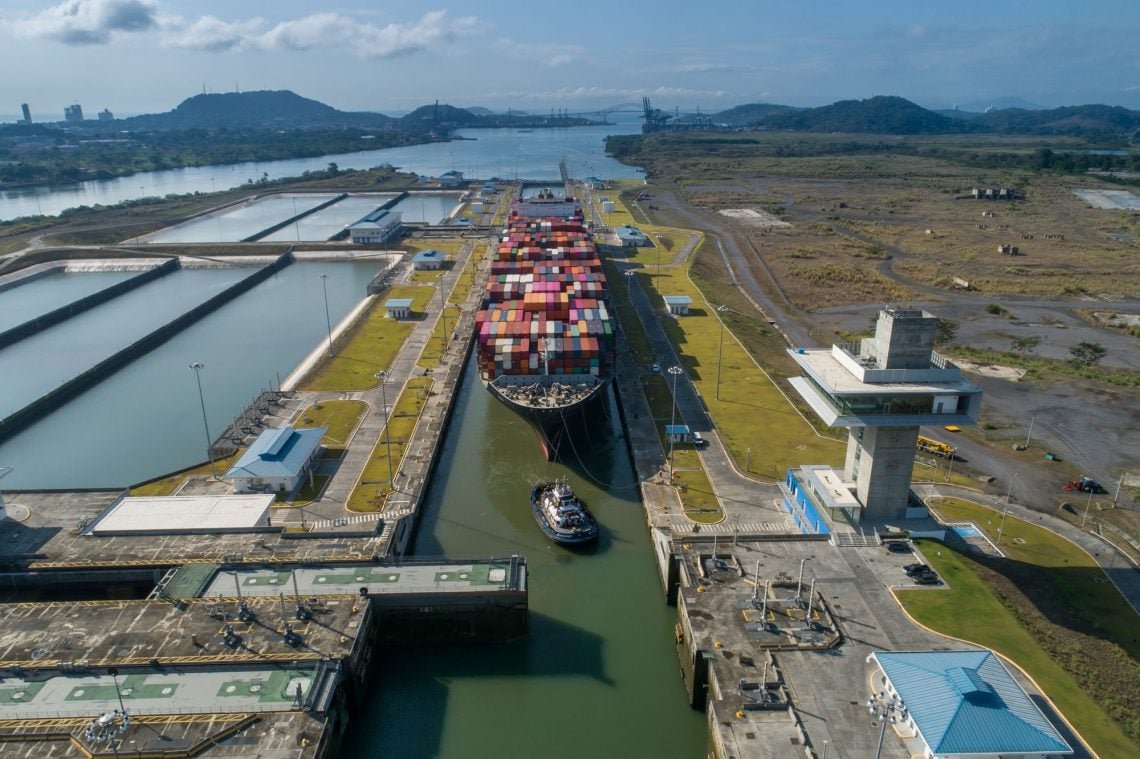
Larger ships kept absorbing more and more of the traffic through the waterway. The Neo-Panamax locks represented 52.2 percent of total tonnage, and tonnage transiting those locks increased 8.2 percent over the previous fiscal year. This progression shows the increasing proportion of larger vessels in the canal’s total traffic.
The ACP attributed the results to the waterway’s ability to accommodate the demands of world maritime trade and adapt to the impacts of El Niño. The authority also noted a steady demand recovery, partly supported by shifts in international trade flows.
Seasonal water constraints presented their challenges, but operating conditions were favorable. In the dry season the Panama Canal afforded a maximum draught of 15.24 meters or 50 feet and customers could count on stable operating conditions.
“The canal is important to keep international commerce running,” said Administrator Ilya Espino de Marotta. “This waterway helps maritime trade by offering clients a safe and reliable route rather than restricting cargo flows.
The additional water has also provided the canal with another option for ships that want to transit. The ACP announced in an Advisory to Shipping issued on 22 October 2026 the immediate resumption of its Last-Minute Reservation service for vessels transiting the Panamax locks.
The action comes as water conservation measures are implemented, and recent rain across the canal’s watershed has brought precipitation levels close to average. “The service provides a second chance for vessels without a booking to obtain a transit slot when one is available and the canal at its option offers it.
The ACP will continue to closely monitor conditions in the water and communicate any additional operational changes as needed. With more traffic, more revenues, and more water available, the canal has more flexibility to balance the growing demand for shipping with the need to manage its water resources.