



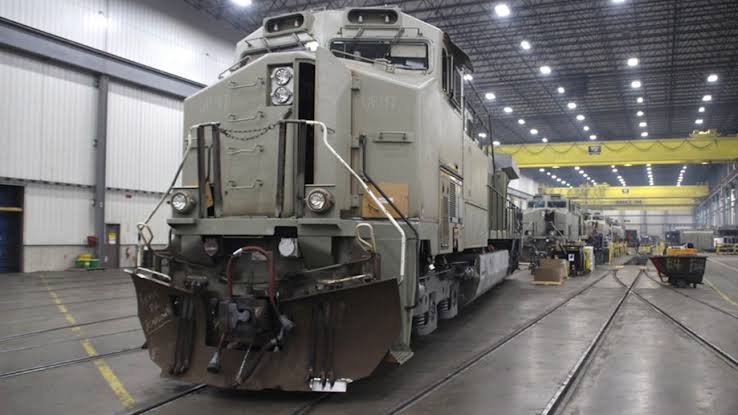
Wabtec has lifted its full-year profit forecast after a third quarter in which both its freight and transit equipment backlogs kept growing. The locomotive builder (NYSE: WAB) now expects adjusted earnings per share of $10.85 to $11.05 for the year. That would be growth of 21% to 23.2%, compared with its earlier outlook of 18.2% to 21.5%.
The quarterly figures, released Wednesday, were strong. Revenue rose 8% to $3.12 billion, and operating income climbed 27% to $625 million. Earnings per share increased 34% to $2.42.
Chairman and Chief Executive Rafael Santana credited the results to momentum across the company’s portfolio. “The strength of our performance reflects our momentum across the portfolio, disciplined execution by our teams, and the continued success of our strategic actions. These actions enhance our growth profile, expand margins, and increase the earnings power of the company,” he said in a release. “Our teams continue to translate healthy customer demand into profitable growth while investing in technologies that will advance the future of transportation. These investments are strengthening our competitive position and reinforcing Wabtec as a leading industrial technology company.”
The picture is more nuanced for new locomotives. On the earnings call with investors and analysts, Santana explained that this year’s growth in North American freight traffic has pushed Class I railroads to bring stored locomotives back into service. That has boosted orders for parts. The higher volumes, however, have not yet turned into orders for new locomotives, he said.
Still, Wabtec landed new locomotive and modernization orders worth $633 million during the quarter from two Class I railroads, which it did not identify. The Freight segment’s 12-month backlog stood at $6.54 billion, up 7.5% from a year earlier.
Freight segment revenue grew 6.9% over the period. Digital intelligence was the standout, with revenue up 24.2%, helped by Wabtec’s acquisition of Frauscher Sensor Technologies and what the company described as strong demand.
Transit grew faster. Revenue in that segment increased 11.3% to $883 million, driven by the acquisition of Sweden’s Dellner Couplers and by higher original equipment and aftermarket sales. The segment’s 12-month backlog rose 12.2% to $2.45 billion.
Why it matters: the quarter points to a recovery in how intensively railroads are using their equipment, but not yet to a broad rebound in spending on new equipment.