



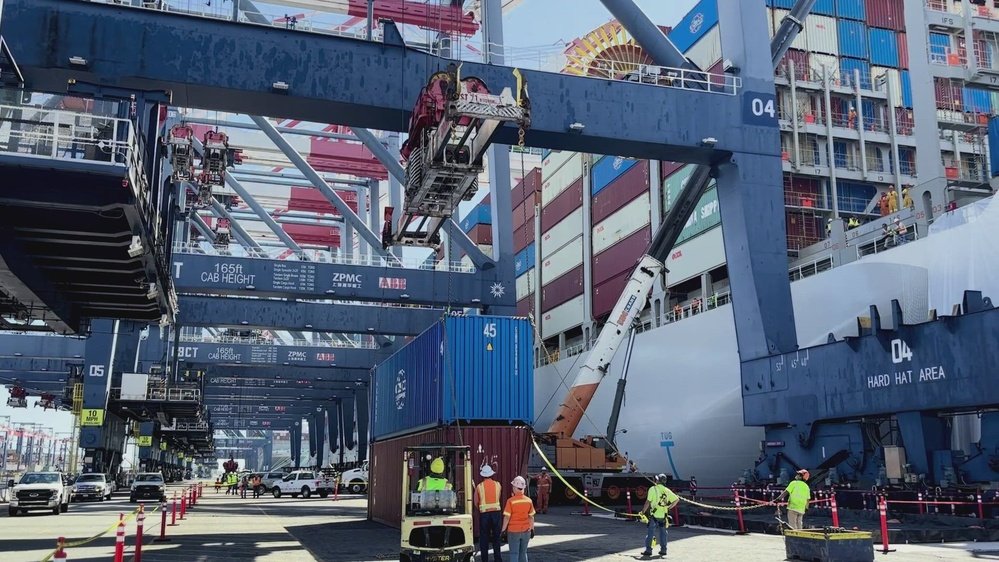
The United States is formalising a two-month extension of its suspension of trade measures targeting China’s maritime and shipbuilding sectors, providing continued relief for shipping operators and other supply chain stakeholders until 9 January 2027.
The Office of the United States Trade Representative (USTR) is initiating the formal process to extend the pause on Section 301 actions against China. The measure was detailed in a notice published on 23 October and means that affected parties will not incur liability for, or be required to pay, the relevant maritime service fees and associated product duties during the extended suspension.
The original suspension, agreed for one year following a truce reached last year between US President Donald Trump and Chinese President Xi Jinping, was due to expire on 9 November. The latest extension formalises an understanding reached by the two leaders during Xi’s visit to the White House in late September.
According to the USTR, the additional two months are intended to provide more time for negotiations with China over the acts, policies and practices examined in the investigation.
Maritime charges and equipment tariffs remain on hold
The suspension offers continued relief from measures that could have significantly increased costs for shipping companies operating between China and the United States.
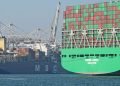
Under the original Section 301 determination, Chinese-built container ships arriving at US ports faced proposed fees of $18 per net ton or $120 per container discharged, with the higher of the two amounts applying.
The pause also covers other measures targeting China’s maritime and port equipment industries, including:
-
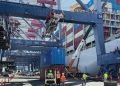
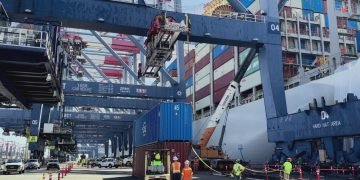
Ship-to-shore (STS) cranes: The suspension includes tariffs on heavy port equipment, including a 100% duty on ship-to-shore gantry cranes manufactured in China.
-
Intermodal chassis and components: Additional punitive Section 301 tariffs on Chinese-built intermodal chassis and specified subassemblies also remain suspended.
-
Port-related measures: Penalties affecting port infrastructure covered by the Section 301 action are included in the broader suspension.
By keeping these measures on hold, Washington is giving shipping operators, importers, exporters and logistics providers additional time before the potential costs associated with the measures could return.
Industry has until 30 October to submit comments
The extension comes as transport and supply chain stakeholders continue to face pressure from elevated ocean freight rates and wider transportation costs. The additional period provides temporary relief while negotiations between Washington and Beijing continue.
Alongside the extension, the USTR has opened a short public consultation to gather industry views on the proposed modification. Interested parties have until 30 October at 5:00 pm Eastern Daylight Time (21:00 UTC) to submit written comments for consideration.
Submissions must be filed electronically through the USTR’s public consultation portal under docket number USTR-2026-0694.
The consultation gives affected businesses and industry groups a limited opportunity to communicate their views on the proposed change. With the deadline approaching, companies exposed to the measures have only a short window to provide feedback.
The extended suspension is temporary, and the next steps will depend on the progress of negotiations between the United States and China concerning the maritime and shipbuilding practices at the centre of the investigation.