




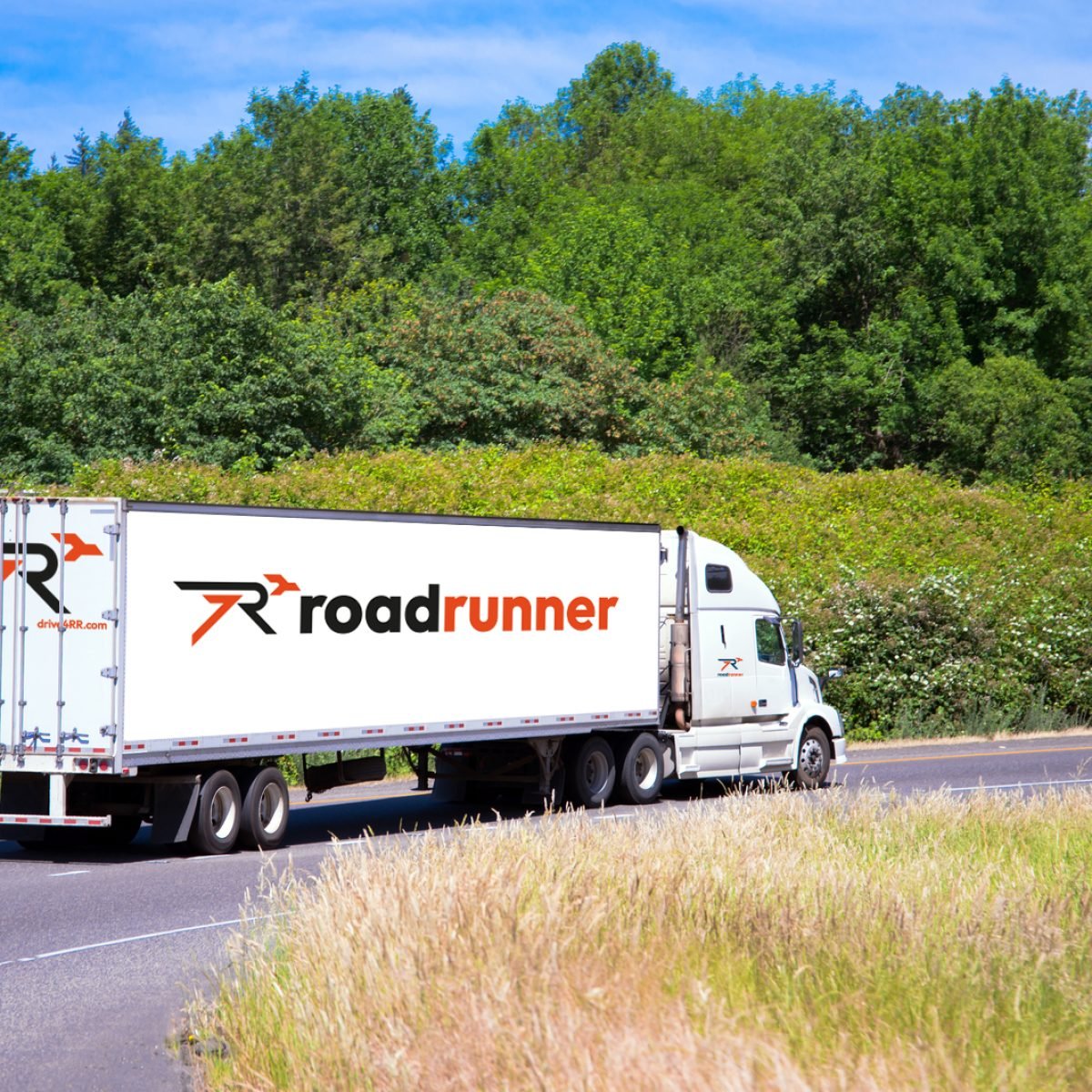
Less-than-truckload carrier Roadrunner (OTC: RRTS) is extending its reach across the northern border. On Friday, the company announced a new outbound service from Canada into the United States, along with a general rate increase (GRI) that will take effect on Nov. 2.
The new offering connects shippers across Canada to roughly 40 major U.S. metro markets. It is a direct linehaul service run entirely by truck, so no shipment touches a railroad along the way. For LTL shippers, that means faster transit, fewer handling points and better visibility.
Dave Black, vice president of strategic sales at Roadrunner, said the service is built on a proprietary network. “We built a proprietary Smart Network for direct, long-haul, metro-to-metro service, delivering fewer handling points, faster transit, real-time visibility, and greater accountability with no unnecessary transfer points to delay shipments or compromise visibility,” he said. “We have focused primarily on strengthening our U.S. network, and we are pleased to announce our next phase of expansion.”
The Canada-to-U.S. lanes build on service Roadrunner already provides in the opposite direction, from the U.S. into Canada. Its metro-to-metro, long-haul network relies on independent drivers and more than 40 terminals to deliver LTL service to shippers.
The price increase arrives alongside the expansion. Roadrunner expects the GRI to average 5.9% across general tariff codes and lanes. It follows other rate implementations by carriers in recent weeks.
Nathalie de Champlain, the company’s chief transformational officer, tied the increase to investment in the network. “To support expansion and further investment in better offerings, we’re introducing the GRI to sustain investment in our leading network,” she said. “The adjustment addresses increased costs driven by market conditions and supports continued investment in network efficiency and service quality.”
Why it matters: the new truck-only route gives LTL shippers moving freight from Canada a faster option with fewer handoffs and clearer tracking across about 40 U.S. metro markets. The 5.9% GRI also shows how carriers are raising prices to absorb rising operating costs while continuing to invest in their networks.