



FedEx Looks to New Ways to Grow Beyond Parcel Shipping
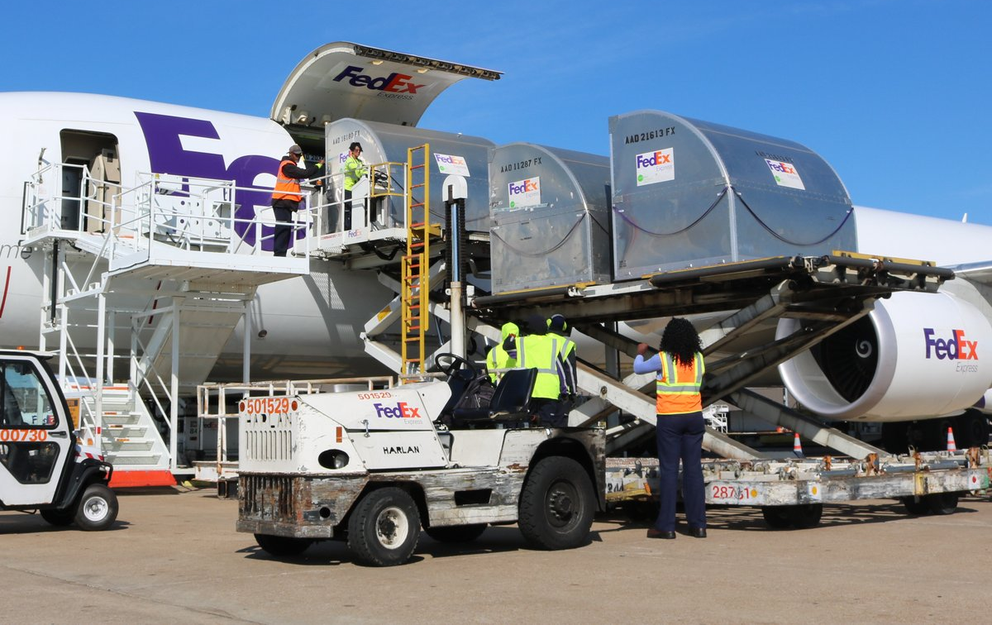
FedEx is expanding its footprint in the air freight sector by expanding the range of logistics services offered to customers that have traditionally focused on parcel shipments. The strategy is generating new business opportunities in high-value industries, particularly artificial intelligence (AI) and data center infrastructure.
FedEx is increasingly addressing logistics requirements beyond its core parcel business, President and CEO Raj Subramaniam said during the company’s third-quarter earnings call Wednesday. “We just won a contract with an AI data center customer that we have been doing business with for over 40 years, mostly in parcel shipping services,” he said.
The development is a sign of how FedEx is leveraging its wider capabilities to capture more of its existing customers’ transportation needs.
“Our growing capabilities in key verticals are allowing us to meet more of our customers’ logistics needs, opening up air freight demand from customers that have traditionally been parcel-centric,” Subramaniam said.
B2B customers are driving growth in international freight
The company is making a strategic pivot as FedEx focuses more on business-to-business (B2B) shipments and less on general e-commerce volumes going directly to consumers. B2B accounts for 60% of FedEx’s revenue and was the primary driver of revenue growth for the quarter, Subramaniam said.
International freight was a standout contributor in the third quarter. “We had a great quarter in international freight, up 28% year over year with demand from data center customers and other B2B shippers,” said Executive Vise President and Chief Customer Officer Brie Carere. International segment average daily freight pounds also increased 15% year-over-year.
FedEx was dealing with complex shipping needs with specialized premium services in the global air freight market, Caregivere said. “The company’s highest-value segments are growing from the approach, which is resonating with customers,” she said.
Data Centers & AI Growing demand for air freight
FedEx is building services to meet the needs of AI infrastructure and data center operators. The company’s website lists SenseAware and Surround, tools to improve monitoring and visibility of shipments, as well as customized security coverage.
These capabilities are especially important to customers transporting expensive and time-critical equipment. In data center supply chains, air freight is often used to ship large, high-value components made in Asia to North America.
“We are well positioned on this trade lane,” it said. Caregivere highlighted its strong position in shipments between Asian manufacturing centers and North America at the company’s investor day in February.
Demand from data center operators also sees a more active air cargo market, with investment in digital infrastructure driving the need for international movement of specialized equipment and components.
Automotive Logistics Becomes Another Growth Priority
Beyond AI and data centers, FedEx is also working to increase its presence in the automotive sector. The company established a dedicated automotive logistics business vertical last year to address the industry’s specific transportation and supply chain requirements.
During Wednesday’s earnings call, Carere outlined progress in developing services for automotive customers, including flexible pickup options and integrated logistics solutions designed around their operational needs.
The initiative has already attracted 13 major automotive customers to FedEx’s value-added services, according to Carere. She said the program was generating opportunities for sustained, profitable revenue growth in the sector.
The expansion reflects FedEx’s broader effort to build deeper relationships with customers whose logistics requirements extend across multiple services, rather than relying on parcel shipments alone.
UPS Also Targets Higher-Value Shipping Segments
FedEx is not the only major parcel carrier pursuing this strategy. Rival UPS is also increasing its focus on customers in industries that generate higher-value shipping volumes, including healthcare, high technology, manufacturing and automotive.
During UPS’s earnings call on Tuesday, Executive Vice President and Chief Financial Officer Brian Dykes said these sectors were accounting for a growing proportion of the company’s total U.S. volume.
Dykes described the development as a deliberate move toward premium shipments from industries and customers offering stronger overall economics.
For both carriers, the emphasis on specialized logistics and higher-value freight represents an effort to diversify revenue opportunities, deepen customer relationships and capture growth in sectors with increasingly complex transportation needs.