




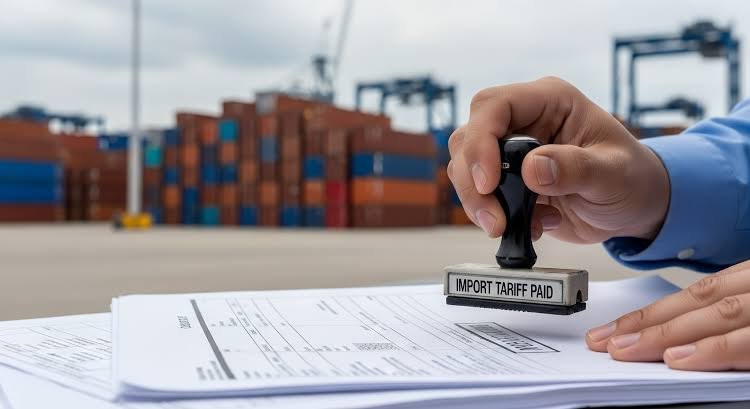
U.S. Customs and Border Protection (CBP) is proposing more stringent filing deadlines and expanded data requirements for low-value imports that could change the way customs is handled for e-commerce shipments and international postal deliveries into the United States.
The proposed changes would apply to two types of import entries: entry type 11, a simplified informal clearance process for shipments valued at $2,500 or less, and entry type 13, a more recent processing framework for international mail shipments within the same value limit.
The agency believes the measures would strengthen customs enforcement and improve compliance, according to a notice published in the Federal Register on October 8. But they could also raise shipping costs, reduce imports and create headaches for the U.S. Postal Service (USPS).
The volume of affected traffic is substantial. Between Sept. 1, 2025, and May 31, 2026, CBP said the United States received about 52.4 million entry type 11 imports and 24.4 million postal entries.
Earlier filing deadlines for type 11 entries
Importers using entry type 11 have up to 15 days from the arrival of a shipment to make the required filing under current rules. CBP wants to replace that window with a requirement to submit information either upon arrival or before the shipment reaches the United States.
The proposed deadline could be challenging for businesses that deal with a lot of low-value goods. CBP’s sampling of entries from September to November 2025 showed that more than half of the type 11 imports studied would have failed to meet the earlier filing requirement if it had been implemented.
The agency also is proposing a new data requirement, requiring importers to identify the ultimate delivery recipient if the recipient is different than the consignee identified in the shipment documentation.
The measure would give customs officials more detailed information about the final destination of goods, perhaps giving them more ability to identify shipments that require further scrutiny.
Entry type 13 would require additional shipment information
The proposed rules would also expand the information required for entry type 13, the processing category introduced for international postal shipments valued at $2,500 or less.
Although its data requirements would be almost identical to those for entry type 11, the postal category would include two additional elements: the identity of the shipper or sender and the package tracking number.
Carriers would also have to submit the tracking number on the inward manifest. CBP says this would enable the agency to verify when postal shipments entered the United States.
The proposal would establish a 15-day period for completing an entry type 13 filing. If the deadline were missed, the shipment would be considered “voluntarily abandoned,” according to CBP.
That would represent a significant change from the current USPS practice, under which items are held for collection for 30 days before being abandoned or returned to the sender.
CBP acknowledges that the number of postal items left uncollected during the existing period is small. Nevertheless, shortening the window and introducing a more demanding clearance process could leave some importers without their shipments.
A continuation of CBP’s stricter approach to postal imports
The proposal builds on regulatory changes introduced earlier in 2026, when CBP moved to collect more detailed information on postal imports and strengthen enforcement against shipments that fail to comply with customs requirements.
As part of that effort, the agency launched a test of the entry type 13 process. CBP said the initiative was intended to bring postal imports into parity with other goods entering the United States.
The latest proposal would extend that approach by requiring more complete and reliable shipment data at an earlier stage of the import process.
According to CBP, the additional information would allow officers to identify noncompliant shipments more precisely and efficiently. Earlier access to more reliable entry data would also improve the agency’s ability to target goods that violate import rules.
“CBP would be able to target violative shipments more accurately and efficiently because CBP would receive more data and because entry data would arrive sooner and be more reliable,” the agency said.
Higher costs and possible impact on import volumes
While the anticipated benefits of enforcement are significant, CBP recognizes that the new requirements will also increase the administrative and financial burden on importers.
The proposal would lead to increased duty collection on postal entries and increased shipping cost on shipments processed under both entry types. These additional costs could make some low-value imports less attractive and could cause import volumes to fall.
But the impact on delivery times remains unclear.
One reason is that shippers might postpone importing goods if they feel they have insufficient time to gather and provide all the necessary information. In contrast, earlier filings could help customs clear compliant shipments more quickly, speeding their arrival at final destinations.
CBP therefore says the overall impact of the proposal on shipping times is unclear and will likely depend on how importers and carriers alter their processes.
Systems investment, storage issues for USPS
The changes proposed could also have operational implications for the U.S. Postal Service, particularly in upgrading its systems to meet the new entry type 13 requirements.
USPS estimates it could cost up to $20 million and take as long as eight months to update its systems, CBP said.
Another issue is the storage capacity. The proposed rules could impose additional stress on USPS infrastructure if international shipments remain in facilities longer, as importers fulfilll the necessary formalities.
The agency says USPS Office of Exchanges facilities were built to process mail in transit, not to store it for extended periods of time. They do not have the warehousing capability typically associated with long-term storage activities.
CBP said USPS anticipates it would need warehouse capacity equal to 80% or more of the import volume under the rule initially.
That potential requirement underscores the infrastructure implications of the proposal, especially if more shipments are delayed waiting for customs documentation, collection or other processing steps.
Public consultation closes on December 7
CBP is seeking public feedback before moving forward with the proposed changes. Comments on the rule must be submitted by December 7, 2026, at the latest.
The consultation will give importers, carriers, postal operators and other affected stakeholders an opportunity to raise concerns about the proposed deadlines, documentation requirements, implementation costs and potential effects on delivery operations.
If adopted, the changes would mark another step in the U.S. government’s effort to tighten oversight of low-value imports, with businesses and postal operators potentially facing higher compliance costs in exchange for more detailed customs controls.