



Global biomanufacturing has been shifting decisively towards East Asia, with South Korea establishing itself as a major centre for contract manufacturing and biosimilar production. As demand grows for logistics solutions capable of handling high-value, temperature-sensitive biological products, DSV has opened a specialised Air ThermoDirect facility at Incheon International Airport.
The new site is designed to strengthen the cold-chain link between South Korea’s expanding biopharmaceutical industry and major clinical and commercial markets across North America and Western Europe.
South Korea’s life sciences sector has grown rapidly, supported by large-scale biomanufacturing complexes in Songdo and advanced research centres in and around Seoul. Yet manufacturing sophisticated biopharmaceuticals, monoclonal antibodies and temperature-sensitive vaccines is only part of the challenge. Moving these products safely across international borders requires a continuous and highly controlled temperature infrastructure.
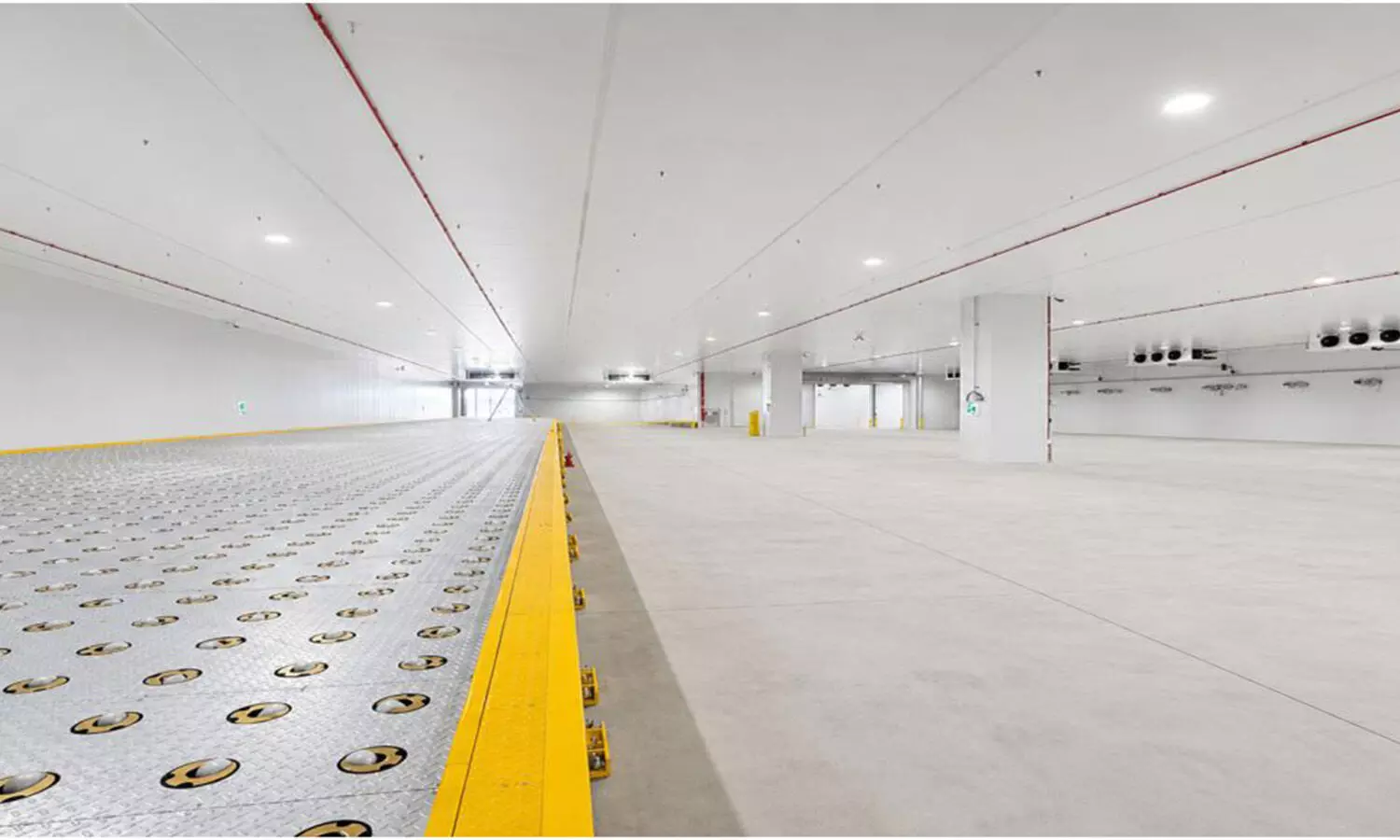
DSV’s new Incheon facility is intended to address that requirement. It provides more than 2,000 sqm of dedicated storage maintained between 2°C and 8°C and is designed to comply with Good Distribution Practice (GDP) standards. The site also has direct access to the airport tarmac, reducing the amount of time temperature-sensitive shipments spend exposed on the ramp — one of the key vulnerability points in controlled-temperature air freight.
The facility’s capabilities extend beyond storage space. DSV is combining dedicated air transport capacity with reusable passive and active thermal packaging solutions, alongside real-time end-to-end tracking. The use of reusable thermal containers is also aimed at reducing environmental impacts and waste-management pressures for pharmaceutical manufacturers while preserving temperature stability during longer transit periods.
For life sciences shippers, maintaining that continuity is critical. A temperature excursion can compromise high-value biologics worth millions of dollars, making uninterrupted cold-chain performance an essential component of risk management.
Kenneth Kallström, Executive Vice President and Global Enterprise Vertical Head, Healthcare at DSV, said the expansion reflects the strategic importance of strengthening supply chain links between major healthcare markets and Asia’s pharmaceutical hubs.
“By expanding Air ThermoDirect into Korea through Incheon, we are connecting two of the world’s most important healthcare and life sciences markets with one of Asia’s leading pharmaceutical and biopharmaceutical hubs. This investment strengthens the resilience, visibility and control that healthcare customers increasingly need across global supply chains.”
The opening comes as the global life sciences logistics market faces increasing pressure to adapt. Supply chain realignments, combined with the rapid commercial expansion of high-value biologics, cell and gene therapies, and specialised vaccines, are pushing freight forwarders beyond traditional cargo services.
Trade lanes linking Asia with North America and Europe remain vulnerable to congestion, cargo delays and changing climate conditions. Dedicated air charter networks operating alongside specialised airport facilities can give biopharmaceutical companies greater schedule predictability and shorter transit times, particularly for time-critical therapies and materials used in clinical trials.
South Korea is continuing to invest heavily in additional biomanufacturing capacity, increasing the need for logistics infrastructure capable of supporting that expansion. DSV’s combination of local tarmac access, specialised thermal storage and international air connectivity is intended to provide part of that infrastructure.
For pharmaceutical manufacturers seeking to reduce exposure to geopolitical disruptions and broader supply chain vulnerabilities, reliable end-to-end cold chains are becoming increasingly central to global operations. In a healthcare market where speed, temperature integrity and visibility can determine whether sensitive products reach their destination in usable condition, specialised logistics infrastructure is increasingly a core requirement rather than an optional service.