



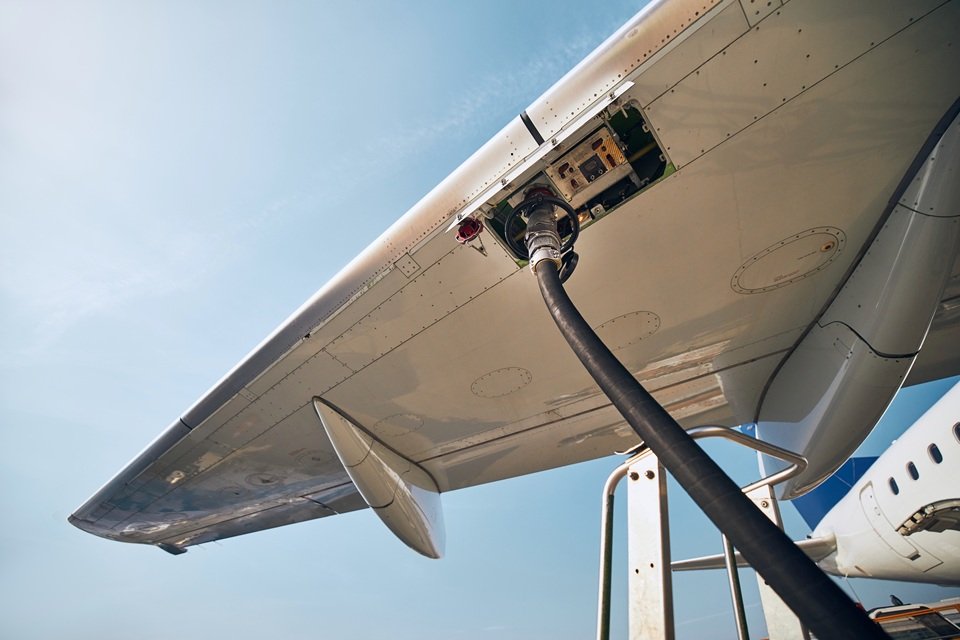
The European Union has introduced a package of emergency measures after growing warnings that Europe could face jet fuel shortages in the weeks ahead as a result of the war involving Iran.
Brussels said its AccelerateEU response plan covers several fuel categories and includes the creation of a fuel observatory, along with stronger coordination among member states.
Under the plan, the new EU-wide fuel observatory will track available jet fuel supplies and stock levels across the bloc. Fuel suppliers, airlines and airports will also begin coordinating on alternative sourcing options and proposals to optimise the distribution of jet fuel across member states, with the aim of safeguarding supply at airports throughout the region.
The European Commission has also pledged to clarify how existing flexibilities in EU legislation may apply to anti-tankering rules, which normally require airlines to uplift 90% of their fuel at EU airports. It will also look at the use of other imported fuels as part of contingency planning should shortages intensify.
The announcement follows mounting concern from across the aviation sector. This week, IATA joined a growing list of organisations warning that European flight cancellations could begin in the coming weeks if the supply situation worsens.
Those concerns accelerated further after the head of the International Energy Agency told the Associated Press last week that Europe had only six weeks of jet fuel supplies before shortages could start triggering cancellations.
Airlines for Europe and Airports Council International had both urged the EU to adopt temporary relief measures to help the sector manage the effects of the Middle East crisis.
ACI welcomed the steps announced by Brussels. Its Europe director general, Olivier Jankovec, said that no airport in Europe is currently facing jet fuel shortages and operations are continuing as normal. However, he described the plan as the right strategy to mitigate potential risks given the uncertainty surrounding the safe and stable reopening of the Strait of Hormuz.
Even as industry bodies emphasise that there is no immediate shortage, the impact of higher jet fuel prices is already being felt in airline operations.
Lufthansa said this week it will cut 20,000 short-haul European flights this summer because rising fuel costs have made certain services uneconomic. Lufthansa Cargo’s four Airbus A321 freighters have also been temporarily grounded after cuts at Lufthansa CityLine, which had been operating the aircraft. The group said it will immediately remove Lufthansa CityLine’s 27 aircraft as part of wider measures to address fuel inflation and labour disruption in Germany.
KLM and Delta have also announced flight reductions in response to the jump in jet fuel costs.