



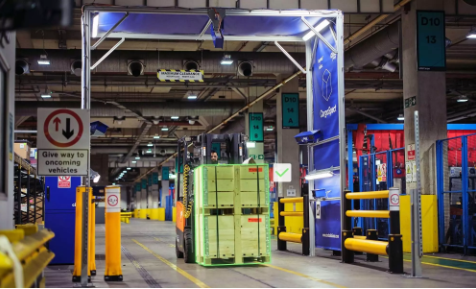
The air cargo industry is investing heavily in digitalisation, automation and artificial intelligence. Yet despite these technological advances, one of the sector’s most critical operational processes still relies on methods that have changed very little over the years: manually measuring and recording cargo information.Across cargo terminals worldwide, dimensions are often captured by hand, freight characteristics are assessed visually and data is entered into multiple systems. Once inaccurate information enters the process, it can follow a shipment throughout its entire journey, creating inefficiencies that affect planning, operations and billing.The consequences are significant. Aircraft may be planned using estimated dimensions rather than verified measurements, warehouse teams frequently operate with incomplete cargo information and disputes over freight charges can emerge because underlying data was never properly validated at the source.For years, industry discussions about efficiency have focused on expanding capacity, modernising infrastructure and deploying new technologies. Increasingly, however, cargo operators are recognizing that one of the biggest obstacles to operational performance is not physical infrastructure but data quality itself.This shift is driving growing interest in solutions developed by Swedish technology company CIND, which specializes in AI-powered computer vision systems designed to automatically capture freight data at the point of cargo acceptance.Rather than viewing dimensioning as a simple compliance requirement, CIND approaches the process as the starting point of a broader digital information journey.As shipments enter a warehouse, the company’s systems automatically generate highly accurate dimensional and contour data while simultaneously creating a digital record that can be shared in real time across operational platforms.The concept is attracting some of the industry’s most recognized names. Global organizations including DHL, IAG Cargo and WFS have already integrated CIND’s technology into their cargo operations, helping validate both the effectiveness of the solution and the broader business case for automated freight data capture.The benefits extend far beyond measurement alone.Accurate freight information allows airlines and handlers to optimise aircraft loading plans, improve capacity utilisation, reduce wasted space and enhance billing accuracy. It also eliminates many of the manual verification processes that can slow cargo handling operations and increase administrative workloads.What was once considered a routine warehouse task is increasingly becoming a strategic source of operational intelligence.That intelligence is becoming even more valuable as the air cargo sector embraces advanced analytics and artificial intelligence. While AI can support forecasting, planning and decision-making, its effectiveness depends entirely on the quality of the underlying data being analysed.For many cargo operators, that reliable data foundation remains one of the industry’s greatest challenges.Technology alone, however, is not enough. Systems must consistently perform in high-volume warehouse environments where speed, reliability and precision are equally critical.This is where operational experience becomes essential. Every shipment processed through automated capture systems contributes to a growing database of verified freight information. Over time, this data creates opportunities for deeper insights into cargo characteristics, handling requirements, capacity utilisation trends and operational performance.As these data pools grow, the role of dimensioning evolves dramatically. Rather than just a compliance checkpoint, it becomes a strategic asset that can support smarter business decisions throughout the supply chain.The broader implication for the air cargo industry is clear.As digital transformation accelerates, competitive advantage may increasingly depend not only on how efficiently companies move freight, but also on how effectively they understand the cargo moving through their networks.In an industry built on precision, trusted data is emerging as the foundation for more intelligent operations. For a growing number of airlines, handlers and logistics providers, that journey begins the moment a shipment enters the warehouse—and companies like CIND are helping ensure that every piece of cargo starts its journey with accurate, actionable information.
- Latest
- Trending
ADVERTISEMENT