




What initially looks like an unusual cargo theft case involving personal products is, in reality, a textbook example of how cybercrime is increasingly taking control of physical supply chains.
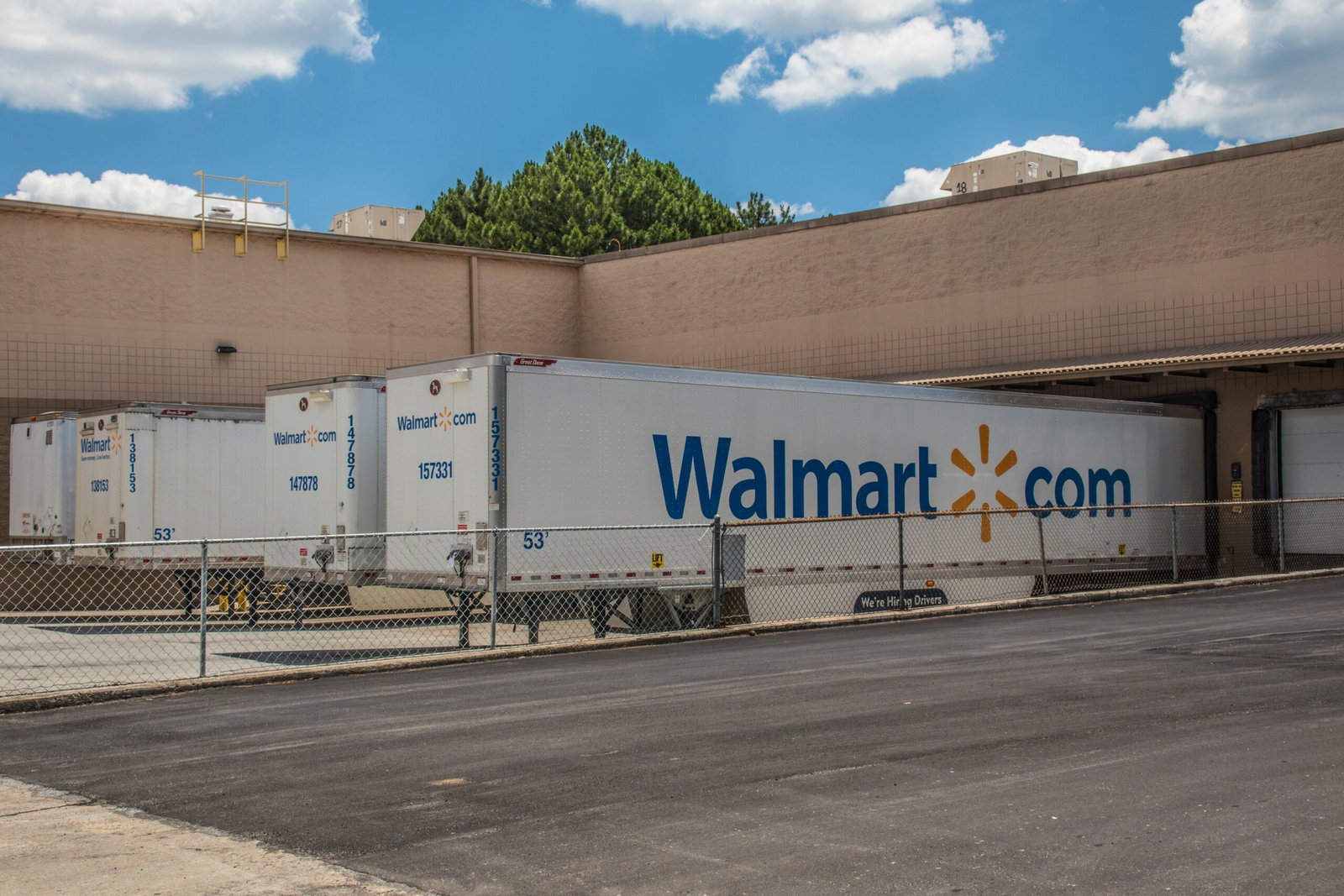
A shipment containing approximately 103,000 condoms and units of lubricant — valued at around $1.7 million — was allegedly diverted after criminals compromised the identity of a legitimate trucking carrier and used it to secure transport to a Walmart distribution center in Pennsylvania. The goods originated in Lynn, Massachusetts, and included products from Global Protection Corp.
Investigators, as reported by Cybernews, believe the operation did not rely on traditional theft methods such as trailer break-ins or warehouse intrusion. Instead, the scheme reportedly began with a phishing email disguised as a broker agreement sent to a legitimate trucking company. That email allegedly allowed attackers to access internal systems and assume the carrier’s identity.
From there, the fraud escalated into execution. The indictment says the thieves used stolen credentials to book transport for the shipment in the name of the carrier, and then had actual drivers pick up the cargo with the right paperwork and reference numbers, not knowing they were working within a fraudulent scheme, prosecutors say. The shipment was then diverted to a warehouse in the Bronx and never reached its intended destination.
The case is emblematic of a broader structural shift in cargo crime across North America. Rather than physically stealing freight, organized groups are increasingly targeting the digital trust layer of logistics: emails, load boards, broker identities, and communication systems.
The scale of the issue is no longer marginal. In April, the FBI’s Internet Crime Complaint Center warned that cyber-enabled cargo theft losses in the United States and Canada reached nearly $725 million in 2025, a rise of about 60% year-on-year. According to the agency, criminals now rely heavily on phishing campaigns, spoofed websites, and compromised business accounts to impersonate legitimate actors in the supply chain. Once trust is established, freight moves normally — until it quietly ends up in the wrong hands.
In this case, public reporting suggests the impersonated carrier was itself a victim, not a participant in the fraud. That distinction is becoming increasingly important as identity-based attacks blur the line between legitimate logistics operations and criminal manipulation.
Unlike traditional cargo theft, no physical breach is required. The freight moves through normal channels, with correct documentation, approved drivers, and standard procedures — all built on a compromised identity layer.
At the time of publication, Global Protection Corp., Walmart, and the FBI had not responded to media requests for comment. FreightWaves, which reported the incident, confirmed FBI warnings on cyber-enabled cargo theft and verified product details, but has not independently confirmed the alleged theft or any related arrests.
- Latest
- Trending
ADVERTISEMENT