



Korean Air completes Incheon Smart Cargo Terminal upgrade as cargo revenue surges 34%
The new automated terminal increases hourly ULD processing capacity from 18 to 30 units, while strong demand for AI and semiconductor components drives cargo revenue growth. Korean Air is also advancing its JFK terminal modernisation and preparing to integrate Asiana Airlines in December, with significant implications for South Korea’s air cargo market.
Category: Logistic, Air, Business, Cargo, Tech, World
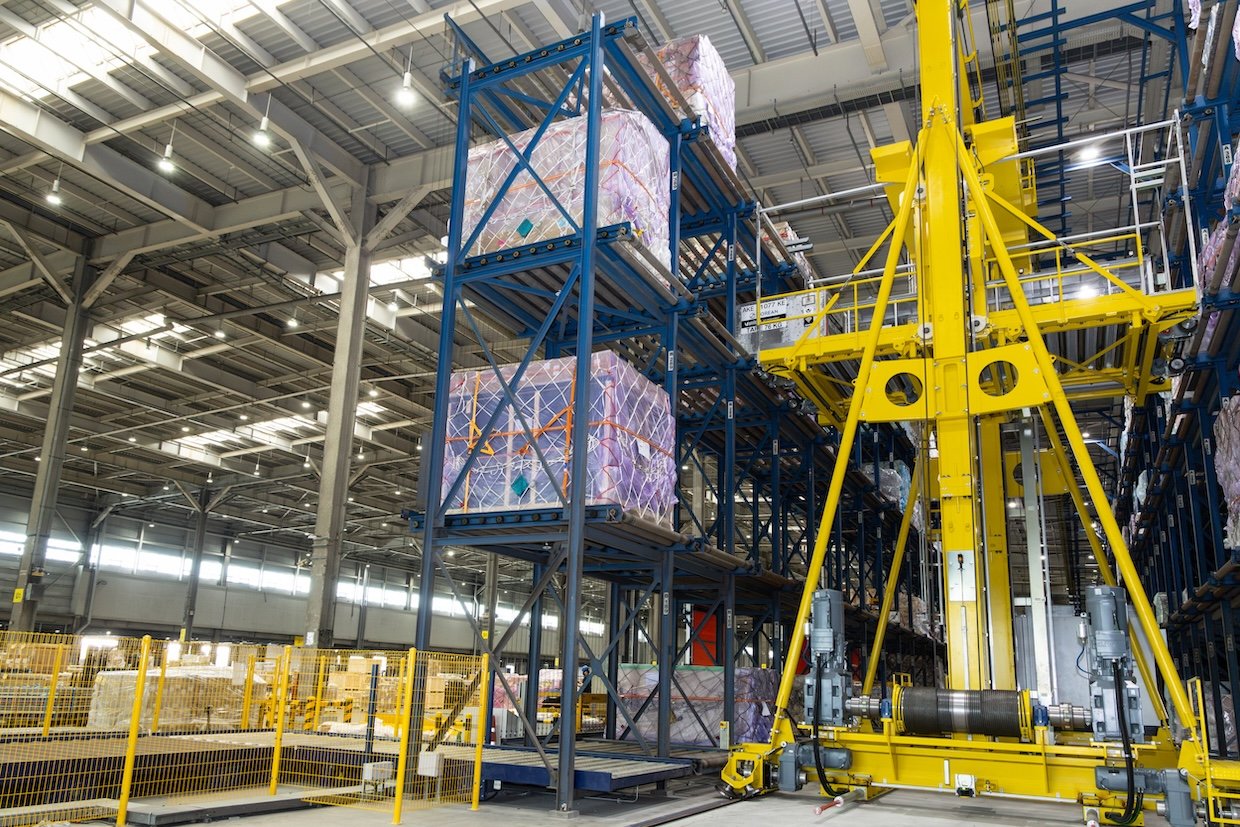
Korean Air has completed an upgrade of its cargo terminal at Incheon International Airport, featuring a fully integrated Smart Terminal with the latest automated logistics technologies. The upgrade is expected to boost handling efficiency, enhance operational precision and enhance the airline’s standing in the global air cargo market.
The project ran between June 2025 and September 2026 and automated all terminal handling operations. The airline was able to maintain continuity of service and upgrade its infrastructure, because cargo operations were not halted during the modernization.
A fleet of Automated Guided Vehicles (AGVs) and Elevating Transfer Vehicles (ETVs) are at the core of the new terminal. Korean Air has also improved the bypass infrastructure from one to two automatic transfer lines connected to the new ETV system.
The improvements have increased the terminal’s ULD handling capability per hour from 18 to 30 units. Total cargo-handling capacity is expected to grow more than 25 percent. The airline is also growing its dedicated specialized facilities for high yield cargo, as part of its strategy to carry more valuable and specialized shipments.
Korean Air is automating the movement of heavy equipment to improve working conditions, operational accuracy and the need for manual handling.” The terminal upgrade is a part of a broader transformation the carrier is undergoing, the carrier said, which includes digital integration, sustainability initiatives and next-generation aircraft orders.
A Korean Air spokesperson said, “The renovation is an important step to proactively respond to the rapidly changing global logistics environment through upgrading equipment and adopting smart technologies.”
The airline has finished the Incheon project and now turns its attention to its cargo terminal at John F Kennedy International Airport (JFK) in New York. Modernization work is expected to be completed in 2027.
Cargo revenue boosted by AI demand
The new terminal is being opened amid strong financial results for Korean Air’s cargo division, driven by steady demand for high-value technology shipments.
Cargo revenue in Q3 2026 was KRW 1.4323 trillion (US$1.08 billion), up KRW 365.6 billion (US$277 million), or 34% year-on-year.
The growth was propelled by demand for artificial intelligence (AI) infrastructure and semiconductor components. The airline also protected profitability by adjusting the available capacity to changing demand in regional markets.
Korean Air expects high fuel costs to remain in the fourth quarter due to the conflict in the Middle East. The cargo division will be flexing capacity to take advantage of the usual year-end rush and also catering to demand from the AI and semiconductor sectors.
The company’s overall financial performance also reflected the strength of its operations. Korean Air reported 2026 third-quarter sales of KRW5.0448 trillion (US$3.82 billion), a record for the carrier and up KRW1.0363 trillion (US$784 million) from a year ago.
Operating profit rose 44.9 billion won (US$34 million) to 421.2 billion won (US$319 million) year-on-year despite persistently high fuel prices.
Integration of Asiana in December
Korean Air is also preparing for the final stage of integrating with Asiana Airlines, set for December 17, 2026, on top of its infrastructure investments. Before the merger, the airline is standardizing service protocols across its growing international network.
The integration process started on December 12, 2024, by Korean Air buying shares in Asiana. The merger is aimed at combining the resources of both companies, to increase their international competitive ability as a Full-Service Carrier (FSC) and to add to corporate and shareholder value.
Combining the two airlines will require a lot of coordination in aircraft operations, maintenance procedures, operating systems and passenger safety procedures. So Korean Air has put priority to the timing of the transition so as to minimize the risk of system errors and operational disruption.
The airline had spent two years preparing for the merger and had set December 2026 as the best time to complete it.
What the merger means for freight
The merger will secure Korean Air’s status as South Korea’s dominant full-service cargo airline, although the combined group will not take over Asiana’s freighter business. As a condition for the transaction, regulators demanded Asiana’s cargo division be divested to ensure competition in the market.
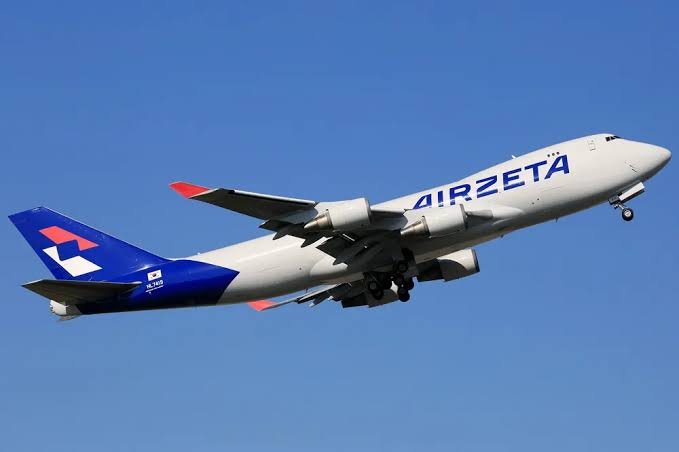
Asiana transferred 11 freighter aircraft to Air Incheon, now called Air Zeta. The fleet consists of 10 Boeing 747 freighters and 1 Boeing 767 freighter. The deal, worth 470 billion Korean won (US$356 million), also included transfer of related personnel and contracts.
The divestiture addresses competition concerns raised by the European Commission regarding the potential concentration of two leading Korean freighter operations on Europe-Korea routes. The deal separates Asiana’s cargo operation, preventing Korean Air from combining both businesses under one corporate structure.
Korean Air will retain its existing freighter fleet, passenger aircraft belly-hold capacity, Incheon hub operations and customer contracts. At the same time, the enlarged passenger network is expected to provide additional opportunities through increased belly-hold capacity, airport slots, traffic rights and greater operational scale at Incheon. Industry reports anticipate that the combined group’s overall cargo capacity could increase by more than 10%.
For Air Zeta, the acquisition provides the foundation for an independent long-haul freighter operation. The company plans to expand its presence in North America and Europe while developing its activities in e-commerce and specialised cargo.
The resulting market structure creates a new independent Korean competitor in the freighter segment, while Korean Air benefits from the broader network and passenger capacity resulting from the merger.
Together, the Smart Terminal investment, strong technology-driven cargo demand and the planned Asiana integration mark a significant period of change for Korean Air. The carrier is expanding its automated handling capabilities while adapting its cargo network and operating structure to evolving global logistics demand.
With Incheon’s modernisation complete and the JFK upgrade still underway, the airline is positioning its cargo business to accommodate higher volumes, more specialised shipments and continued demand from the technology sector.