



The Gulf shipping crisis remains unresolved after President Donald Trump rejected Iran’s latest response to a US peace proposal, despite the rare passage of an LNG carrier through the Strait of Hormuz offering a small sign of possible movement.
Trump described Tehran’s response as “totally unacceptable” in a post on Truth Social, without providing further details.
The rejection followed one of the most violent weeks for commercial shipping since the conflict began on February 28. US naval forces disabled several Iranian tankers, Iran seized a tanker, and Chinese-owned vessels were targeted for the first time.
On May 8, US Central Command said a US Navy F/A-18 Super Hornet operating from the USS George H.W. Bush disabled two empty Iranian tankers, the VLCC Sea Star III and the suezmax Sevda, after they attempted to breach the US blockade of Iranian ports in the Gulf of Oman.
Iran’s Revolutionary Guards issued a formal warning to the US Navy, threatening retaliation against US maritime and land facilities in the Middle East.
Hours later, the Marshall Islands-flagged bulk carrier Safesea Neha was hit by an unidentified projectile northeast of Qatar. A small fire was quickly contained and no injuries were reported.
Iranian naval forces also boarded the Chinese-owned tanker Jin Li, formerly Ocean Koi, which was operating under a false flag after being removed from Barbados’ registry due to sanctions.
China was further drawn into the crisis after the tanker JV Innovation, carrying 22 Chinese crew members, caught fire on deck near Mina Saqr off the UAE coast on May 4. The vessel remained operational and all crew were safe.
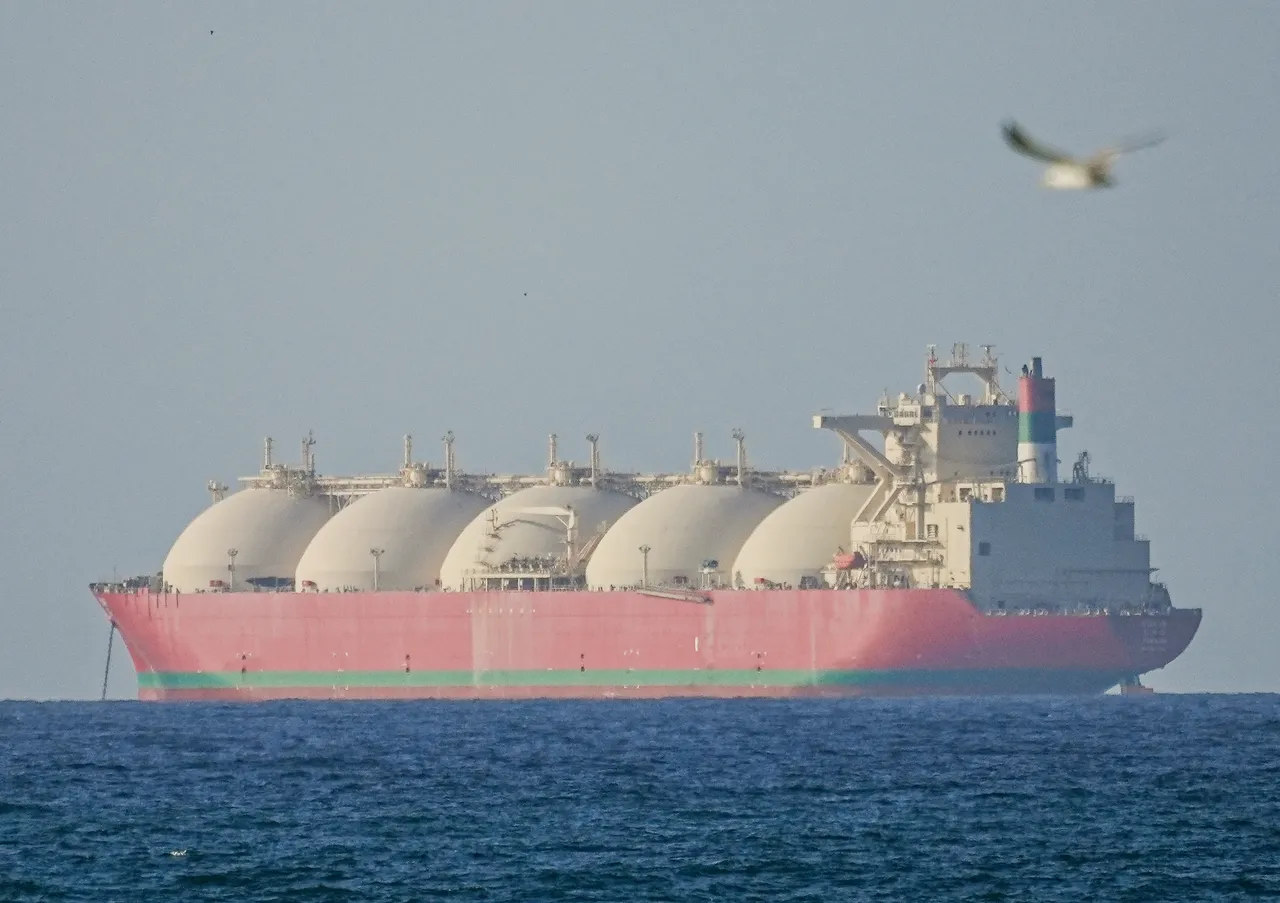
Amid the disruption, Qatar’s LNG carrier Al Kharaitiyat successfully transited the Strait of Hormuz on May 9, apparently following a new Iran-imposed route near Larak Island. It was the first LNG carrier to cross the strait since the conflict began.
Defense ministers from more than 40 countries are meeting to discuss plans to protect shipping in the strait once hostilities end.
Broker Hartland Shipping warned that global oil inventories are being drawn down by around 8m barrels per day, while lost demand stands at about 3m barrels per day. The firm said the situation could be sustained for a maximum of three months before shortages, rationing, higher prices and further demand destruction become unavoidable.