



Malta is calling on European policymakers to safeguard the continent’s maritime competitiveness in the shift to lower emissions in shipping. The government says decarbonization measures must offer tangible environmental benefits without encouraging shipping companies to divert traffic, investment and associated emissions to destinations outside Europe.
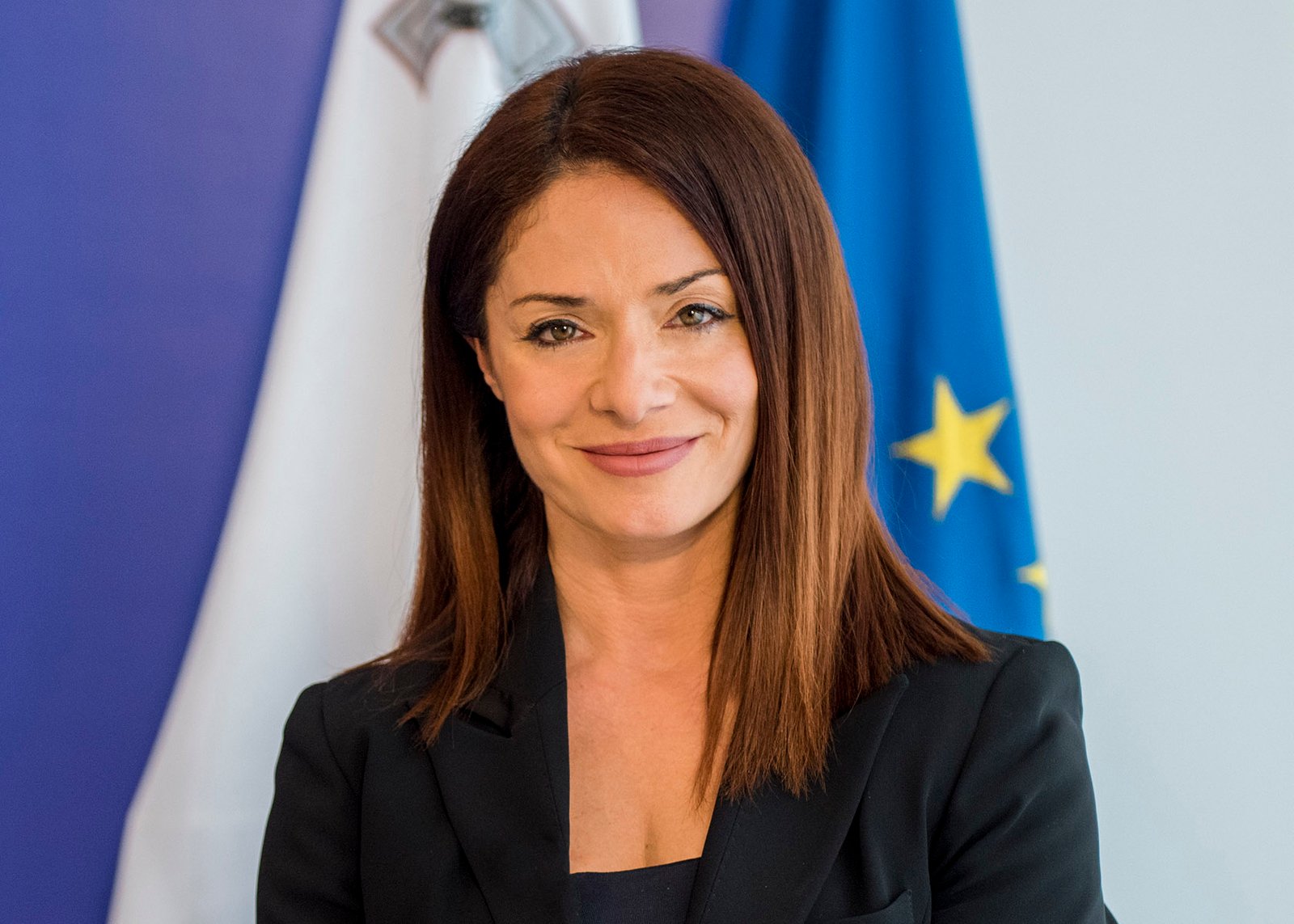
The discussion about whether the shipping industry should decarbonize has moved on to how it will do so, said Malta’s minister for energy, the environment and the regeneration of the Grand Harbor Miriam Dalli, speaking at the Malta Maritime Summit. “The priority now is to be able to identify how the transition can be made in a way that is still practical, fair and economically sustainable,” she said.
“Shipping must definitely decarbonise,” Dalli said, stressing that the environmental transformation of the industry must strengthen, rather than weaken, Europe’s position in global maritime trade.
European shipping feels the pinch of rising regulation costs –
Her remarks come at a time when shipping in Europe is facing a growing list of climate requirements. The sector was fully subject to the EU Emissions Trading System (EU ETS) in 2026, after a phased introduction covering 40% of emissions in 2024 and 70% in 2025.
The system is also expanded to include not only carbon dioxide but also methane and nitrous oxide, so the scope of regulated emissions is increased. Dalli says these requirements are already resulting in higher costs for marine fuels supplied in Europe and adding to the operational pressures on shipping companies.
Malta is therefore promoting an approach which keeps ambitious environmental goals, but does not create competitive disadvantages for European ports and maritime businesses.
Malta has always pushed for rules that lead to real emissions reductions and not just to the displacement of maritime activity to other regions, the minister said. She warned such a shift could divert investment and shipping traffic from the European Union, without delivering the global environmental benefits desired.
Malta Freeport and the risk of carbon leakages
The transshipment operations in Malta, and particularly in Malta Freeport, are a major concern as they are facing competition from nearby North African ports.
Dalli said the proposed revision of the EU ETS had secured safeguards for Malta Freeport, including those relating to transshipment traffic and the risk of businesses relocating to competing ports outside the EU.
For Malta, the protection of European transshipment hubs is not a matter of diluting climate policy. Instead, the government says these measures are needed to avoid carbon leakage and to prevent a situation where tougher European rules incentivize maritime businesses to relocate rather than reduce their emissions.
The minister also backed moves to avoid the shipping sector being hit by double costs from international and regional carbon pricing mechanisms as global maritime climate regulation develops.
A predictable and coherent regulatory environment is needed if companies are to devote significant resources to new technologies and cleaner operations, she said.
Shore power and alternative fuels are front and center
In addition to regulatory reform, Malta is investing in infrastructure to support the transition of the maritime sector.
One existing measure is shore-side electricity for cruise ships calling at the Grand Harbor. The system allows vessels to connect to shore power when docked rather than using their onboard generators.
Dalli said the technology can reduce local air pollution from ships in port that are connected by about 90%.
Malta intends to roll out shore power facilities to other ports and locations within its port network. The country is also preparing for the development of alternative marine fuel supply chains and further digitalization of port operations.
The investments are meant to help ports accommodate the next generation of ships and support industry efforts to cut its environmental footprint.
Dalli pointed out that infrastructure development must be accompanied by the introduction of vessels capable of using it. Climate goals require shipping companies to adopt cleaner technologies at a pace that may be difficult if there aren’t enough facilities and the right type of fuel available.
The new technologies will require a skilled maritime workforce.
The transition will also have implications for employment and training in the maritime sector. With the rise of alternative fuels, digital systems and increasingly sophisticated port infrastructure, workers will have to acquire the skills needed to safely and efficiently operate and maintain these technologies.
Malta recognizes the development of its workforce as a key element of its wider maritime strategy, and accepts that investment in physical infrastructure needs to be matched by investment in people.
The maritime sector has been designated by the government as one of the seven priority industries under Malta Vision 2050. The strategy has a target of average economic growth of 5% toward 2035, with maritime development a component of the country’s wider economic ambitions.
Malta has also established a Climate Action Authority to coordinate the work of government institutions, regulators and industry stakeholders to implement decarbonization measures.
Striking the right balance between environmental ambition and economic growth
For Malta the challenge is to marry climate action with the conditions necessary for a competitive and internationally connected maritime industry.
Dalli said the country wants to protect a sector that is still integrated globally and strong economically, while becoming cleaner, more technologically advanced and more innovative.
Her message fits into a bigger concern for Europe shipping: that climate rules should encourage actual changes in the way the industry operates, not just move commercial activity to jurisdictions with different rules.
Dalli said the shift will bring “big challenges” but that cooperation between governments, regulators and businesses could turn those pressures into opportunities for innovation and growth over the long term.
“I understand that challenges do exist,” she said. “But I do think that if we can pull together and combine our efforts, those challenges can be opportunities too.”