




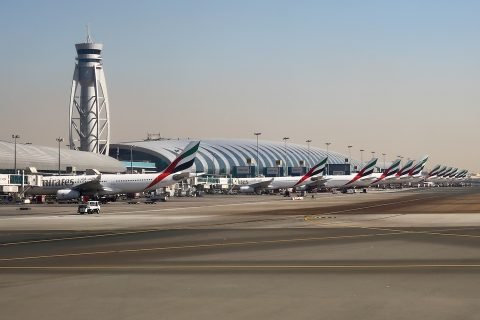
The recovery of air cargo in the Middle East has been sharply disrupted by Iranian missile and drone attacks targeting the United Arab Emirates on May 4.
According to SEKO Logistics, the latest escalation has reintroduced significant uncertainty into the market, only days after the partial reopening of UAE airspace on May 2.
The company estimates that the global cargo capacity shortfall now stands between 12% and 16%, with 12% to 13% directly linked to airspace closures.
Iran, Iraq, Kuwait and Syria remain fully closed. Israel is also largely closed, with only limited pre-approved cargo operations. Partial restrictions are also in place in Qatar, Bahrain, Jordan, Saudi Arabia, Pakistan and now the United Arab Emirates, including Dubai, Abu Dhabi and Sharjah.
SEKO said UAE hubs had returned to 70% to 90% of normal activity after the May 2 reopening, but the events of May 4 have caused renewed operational stoppages, delays and backlogs, particularly for time-sensitive cargo.
According to SEKO, corridors around the Gulf and the wider Middle East remain effectively no-fly zones for a large share of commercial traffic.
Middle Eastern carriers, which represent around 25% to 30% of global air cargo volumes, were already working to recover from disruptions that began in late February. The May 4 escalation has once again destabilised their operations.
The Asia-Europe lane is believed to be the most affected, with rerouting and fuel costs likely to drive sharp rate increases. Asia-Africa routes remain heavily disrupted, while Asia-Americas, Europe-Americas and US lanes are facing indirect pressure, with estimated rate increases of 15% to 35%.
SEKO also noted that rerouted flights typically add two to five hours of flying time, with fuel consumption rising by 30% to 50%, reducing available payload capacity.