



U.S. President Donald Trump has once again threatened to impose tariffs on Canada over wildfire smoke drifting into the United States, despite meeting with Prime Minister Mark Carney during the FIFA World Cup final in New Jersey on Sunday.
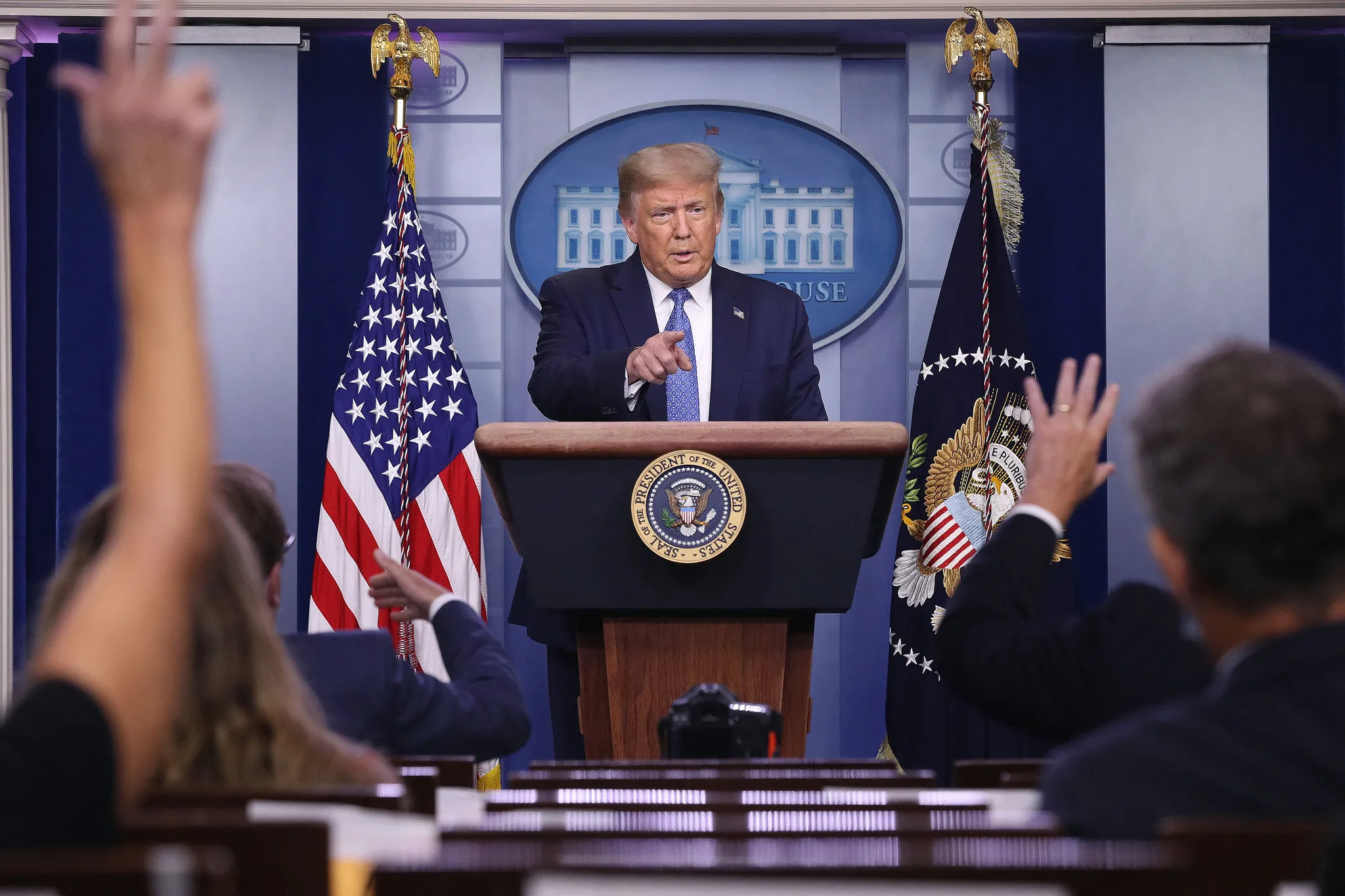
Speaking to reporters at Joint Base Andrews later that evening, Trump said he maintains a positive relationship with Carney but insisted that Canada must do more to address the wildfires producing smoke that has affected air quality across several U.S. states.
According to Trump, the smoke has been polluting American air, suggesting that Canada should either compensate the United States for the impact or face additional tariffs.
During the World Cup final, Carney and his wife, Diana Fox Carney, watched the match from a private suite alongside Trump and First Lady Melania Trump, Mexican President Claudia Sheinbaum, and FIFA President Gianni Infantino.
The latest comments follow growing complaints from U.S. officials about Canadian wildfire smoke, which has triggered air quality alerts across parts of Ontario as well as several American states, including Michigan, Ohio, Illinois, New York, and Indiana.
Trump reiterated that he had already warned Canadian officials about the issue.
“I told them. I mean, you got to stop these fires from coming in and poisoning our air. Our air has been poisoned,” Trump said. “If we can help them, we’ll help them. But maybe they should pay us some damages or something, or we should do some tariffs.”
Last week, Trump said he planned to speak directly with Carney, accusing Canada of “wilful negligence” and arguing that insufficient forest management and debris removal were costing the United States billions of dollars.
However, it remains unclear what legal authority the U.S. administration could use to impose new tariffs linked to wildfire smoke.
Prime Minister Carney has largely dismissed the criticism, stating last Thursday that Canada continues to invest in clean energy initiatives, while accusing the United States of moving in the opposite direction by weakening support for clean energy policies.
Ontario Premier Doug Ford also responded over the weekend, reminding U.S. officials of Canada’s longstanding support during natural disasters. He pointed to Ontario’s assistance during California’s devastating wildfires in January of last year, saying that helping one another is what good neighbours do.
Ford argued that criticism over wildfire smoke overlooks the mutual aid both countries have provided in times of crisis, adding that Canada would continue supporting its American neighbours whenever assistance is needed.
The dispute highlights growing political tensions surrounding this year’s severe wildfire season, even as Canada and the United States continue to cooperate on broader cross-border issues.