



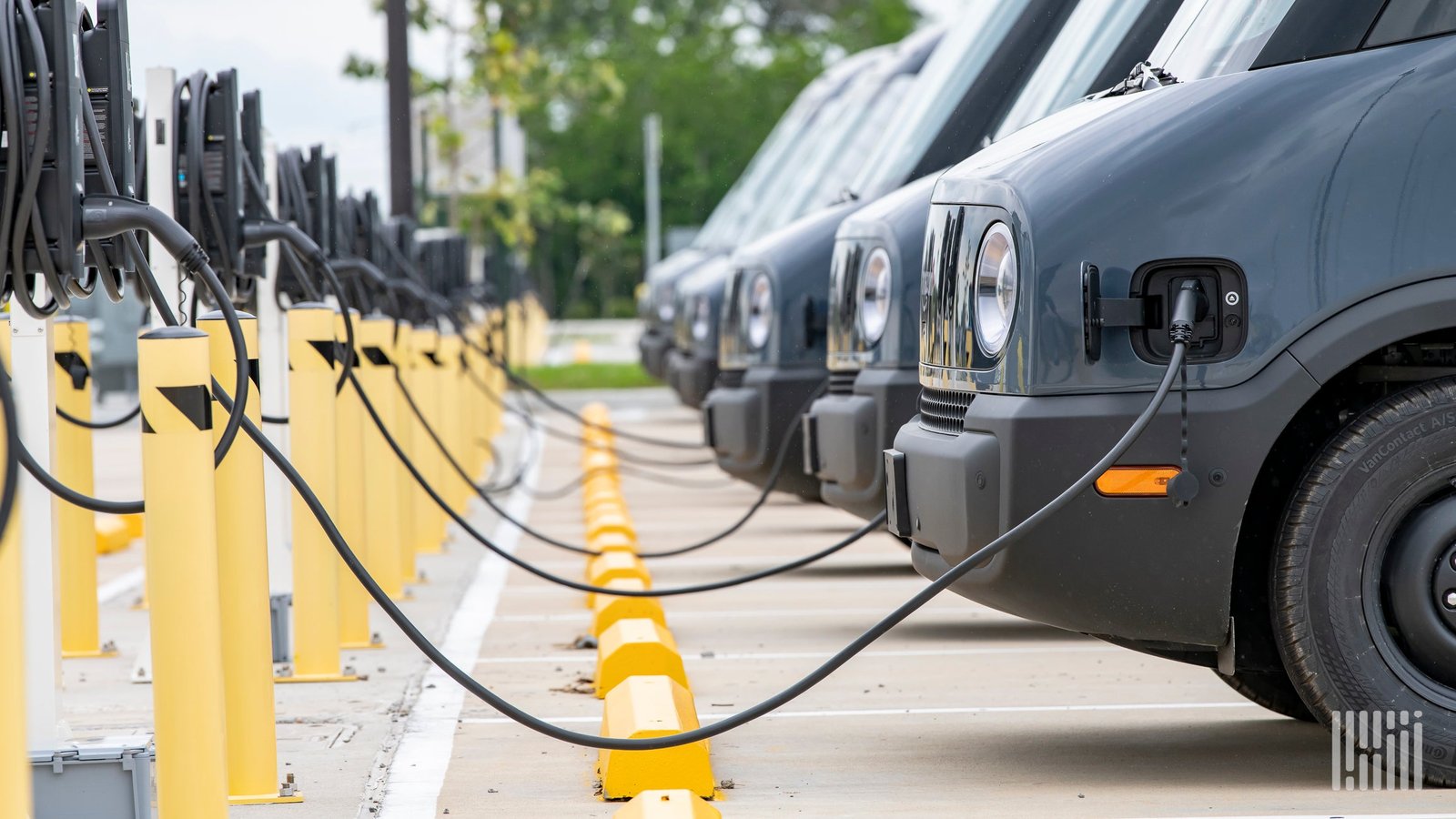
Running electric trucks isn’t just about switching fuel types — it’s about completely rethinking how fleets “refuel.”
That’s the message from BetterFleet CEO Dan Hilson, who says many operators initially try to manage EV charging the same way they handled diesel: plug in when you get back and fill up. But with electricity, that simple habit can quickly become expensive.
Hilson explains that electricity pricing changes throughout the day, and fleets often return to depots at the worst possible time — when power is most expensive. Without planning, vehicles end up charging at peak rates, driving up costs unnecessarily.
There’s also the issue of demand charges. If too many trucks charge at once, even briefly, the entire fleet can get hit with higher electricity bills for the month. That makes uncontrolled charging surprisingly costly.
BetterFleet’s approach is to smooth all of this out using software. Instead of every truck plugging in at once, charging is automatically scheduled and staggered so vehicles are ready when needed — but without triggering expensive peaks.
Hilson says this changes the whole mindset: fleets don’t need to think in terms of “fill it up now,” but rather “when is the cheapest and smartest time to charge?”
He also argues that the industry is too focused on ultra-fast megawatt chargers. In many cases, he says, fleets are better off with more standard chargers that are intelligently managed, rather than fewer high-powered units that can overload the system and increase costs.
Beyond charging, the platform also watches battery health and charger performance, helping operators spot issues early and avoid unnecessary maintenance. Over time, this can extend the life of both vehicles and infrastructure.
BetterFleet is also working on features that prioritise certain vehicles when energy is limited and integrate charging sites with local energy systems like batteries or microgrids.
For Hilson, the bigger picture is efficiency. If fleets can charge smarter and use their vehicles more effectively, they may not need as many trucks to do the same work.
“It’s about getting more out of every vehicle,” he said — pointing to a future where software plays a central role in keeping electric freight moving efficiently.