




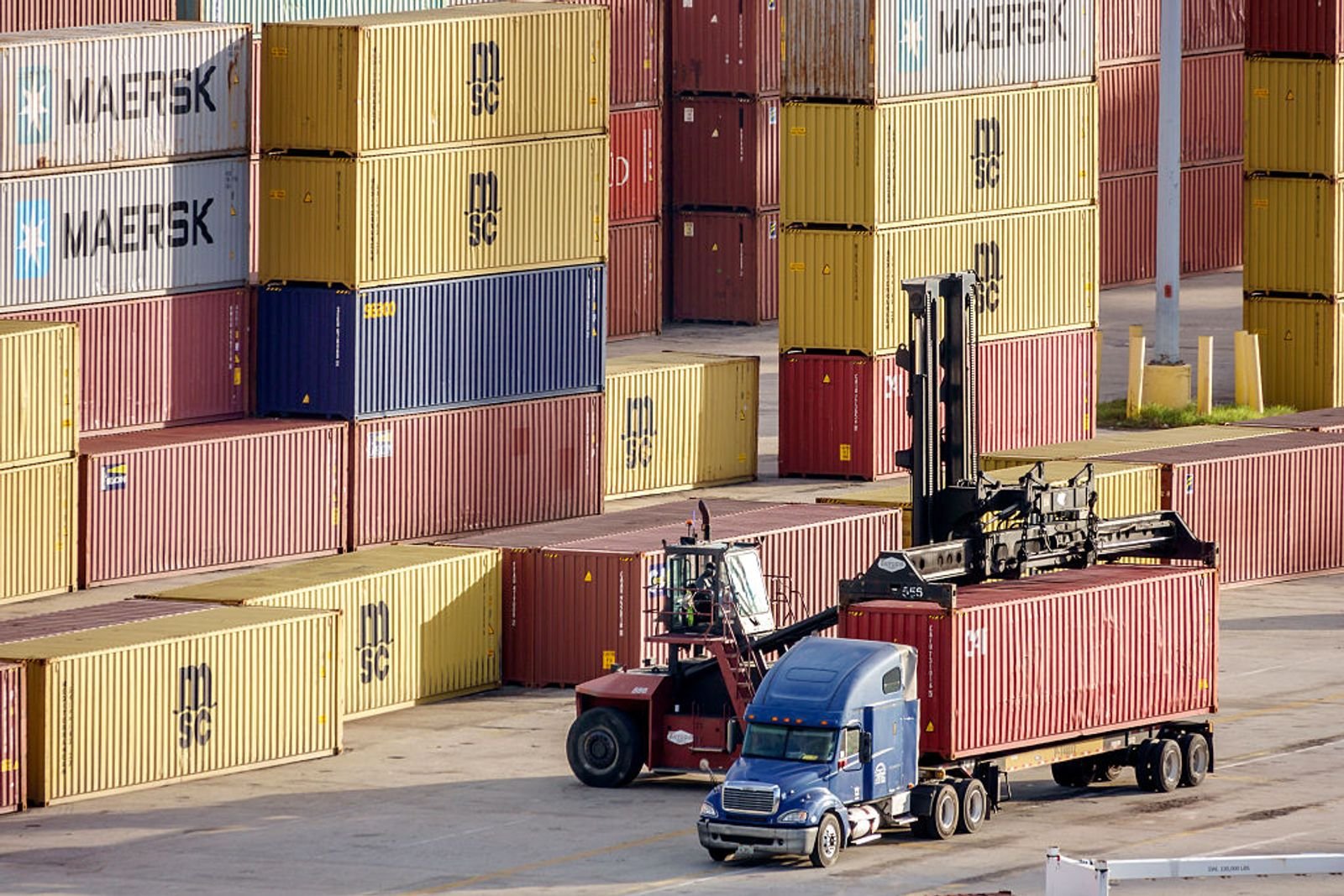
The United States is accelerating investments in port and intermodal infrastructure as the country seeks to strengthen supply chain resilience and improve competitiveness against major global logistics hubs.
The launch of the future Sparrows Point terminal in Baltimore reflects a broader national effort to modernize strategic maritime infrastructure across the country.
Developed by Tradepoint Atlantic and Terminal Investment Ltd (TIL), the project is designed to create a large-scale container hub directly connected to America’s double-stack rail network.
The objective is clear: improve cargo fluidity between the East Coast and the U.S. Midwest while reducing the congestion issues that heavily impacted logistics networks in recent years.
This new generation of port infrastructure is part of a wider strategy aimed at:
* strengthening supply chain security;
* improving intermodal connectivity;
* accelerating container flows;
* and supporting American industrial development.
Investment efforts are also extending beyond ports themselves and now include:
* rail tunnel modernization;
* logistics corridors;
* inland transportation networks;
* and expanded cargo processing capacity.
For logistics and shipping stakeholders, these projects are becoming increasingly critical as global trade volumes continue to rise and geopolitical tensions encourage companies to diversify supply chain structures.
Industry experts believe the modernization of U.S. maritime infrastructure could play a central role in the next phase of transformation for international trade and global shipping networks.