



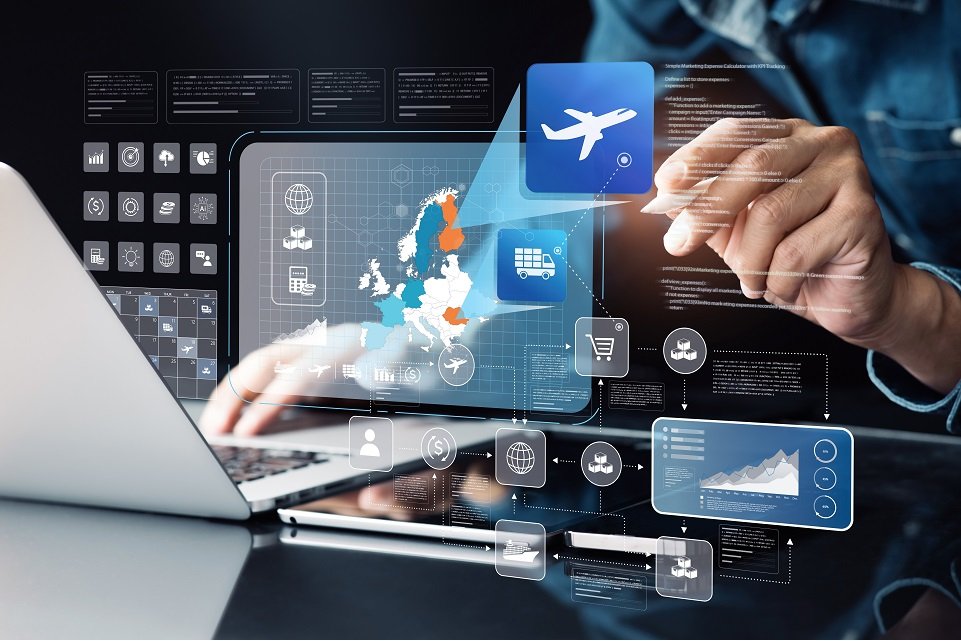
The global air cargo industry continues to undergo a rapid digital transformation as airlines and freight forwarders increasingly shift toward automated and data-driven booking environments.
Major cargo carriers are expanding their presence on digital marketplaces in order to provide:
* instant booking capabilities;
* real-time capacity visibility;
* dynamic pricing;
* and improved supply chain data integration.
The recent integration of Emirates SkyCargo into the Pelicargo platform highlights the growing momentum behind this industry-wide transformation.
According to several market participants, U.S.-based freight forwarders are increasingly relying on digital booking channels while gradually reducing manual transaction processes.
This evolution is pushing airlines to strengthen their API connectivity and expand partnerships with specialized cargo platforms such as:
* cargo.one;
* CargoAi;
* WebCargo;
* and Pelicargo.
For freight forwarders, these tools provide:
* immediate access to available cargo capacity;
* faster rate comparison;
* reduced booking times;
* and greater visibility across international cargo flows.
Digitalization is no longer limited to booking functions alone.
Air cargo companies are also investing heavily in:
* automated documentation;
* real-time tracking;
* predictive analytics;
* and operational optimization technologies.
In a market still affected by supply chain disruptions and capacity fluctuations, these digital tools are becoming increasingly essential to maintaining operational efficiency and improving responsiveness.
Industry analysts expect this transformation to accelerate further in the coming years, particularly with the continued growth of cross-border eCommerce and rising customer expectations for speed, transparency, and shipment visibility.