



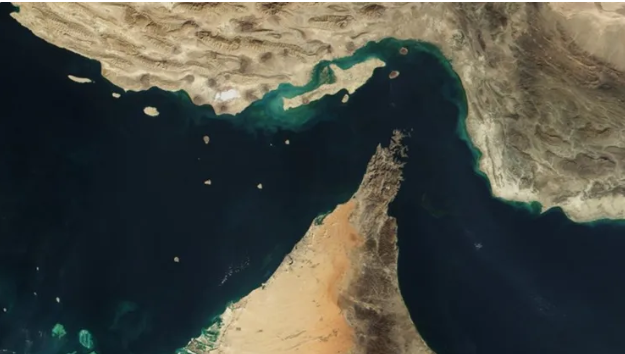
One of the world’s most strategically important maritime corridors, the Strait of Hormuz, could soon be reopened as part of a major breakthrough in the US-Iran crisis. But while political leaders have hailed the agreement, shipping companies are still awaiting clarity on the ways and timing of resumption of normal navigation. The peace agreement, due to be signed on June 19, calls for the opening of the Strait of Hormuz and the end of the United States’ naval blockade of Iranian ports. The development marks a potentially significant turning point for global shipping and energy markets after months of disruption in the region.US President Donald Trump announced the agreement through a series of messages on Truth Social, declaring that he had fully authorized the toll-free reopening of the Strait of Hormuz while simultaneously approving the immediate removal of the US naval blockade. In a subsequent post, he stated that the Strait would reopen on Friday following the signing of the agreement, initially to facilitate mine-clearing operations and restore the flow of oil shipments through the waterway.While Washington’s statements projected confidence and urgency, messages coming from Tehran suggested a more measured approach.According to reports from semi-official Iranian media, Deputy Foreign Minister Kazem Gharibabadi indicated that two immediate developments would follow the agreement. The first would be the cessation of military operations linked to the conflict, including activities connected to Lebanon. The second would be the lifting of the naval blockade, a move also acknowledged by the US administration.Despite those announcements, operational details remain limited. At the time of the statements, there had been no official notice from US Central Command confirming the removal of the blockade. In fact, only hours before the agreement was announced, US Central Command reported that, as of June 14, its forces had redirected 142 commercial vessels that complied with restrictions and had disabled nine vessels that failed to do so.Further uncertainty surrounds the timetable for reopening the Strait itself. Iranian media outlet Mehr News Agency reported that navigation through the Strait of Hormuz would resume within 30 days under what it described as “Iranian arrangements.” The same timeline was reportedly being considered for the lifting of restrictions affecting Iranian ports.Beyond the reopening of maritime traffic, the agreement is also expected to launch a 60-day negotiation period focused on Iran’s nuclear program, making the memorandum both a ceasefire framework and the starting point for broader diplomatic discussions.International leaders have welcomed the development while emphasizing the importance of full implementation. UK Prime Minister Sir Keir Starmer stated that attention must now focus on ensuring that the memorandum is effectively carried out, guaranteeing that the Strait reopens and remains permanently accessible while negotiations on the nuclear agreement continue.Since Iran effectively closed the Strait of Hormuz following the outbreak of the conflict on February 28, the country has wielded considerable influence over global energy markets. The waterway is responsible for the transit of approximately 20% of the world’s oil and gas exports, making any disruption a matter of global economic concern.Even if the agreement is implemented as planned, industry observers expect shipping companies to proceed cautiously. Previous announcements regarding the reopening of the Strait have failed to deliver lasting results, and any breakdown in negotiations could potentially lead to renewed restrictions or tensions in the waterway.Although a ceasefire has technically been in place since April 8, sporadic attacks against commercial shipping have continued. Concerns also remain regarding the potential presence of sea mines and other navigational hazards that could complicate the return to normal traffic levels.For shipping companies, the immediate priority is likely to be the safe evacuation of approximately 1,000 vessels and 20,000 seafarers that remain stranded in the Arabian Gulf following months of restricted access.The industry’s cautious approach is shaped in part by recent experiences in the Red Sea, where many major shipping companies have remained reluctant to fully resume operations despite a prolonged period without attacks on commercial vessels. The key difference, however, is that ships operating in the Strait of Hormuz have no practical alternative route available, making the reopening of the waterway essential for regional and global trade.Even during the most recent period of uncertainty, some operators continued limited transits through either US-controlled or Iranian-designated routes. Nevertheless, traffic volumes remained dramatically below normal levels, reaching only a small fraction of the pre-conflict average of 138 vessel transits per day.As the signing date approaches, the maritime industry is cautiously hopeful. While the agreement represents a major diplomatic breakthrough, the true test will be whether it can translate into a safe, stable and lasting restoration of one of the world’s most vital shipping lanes.
- Latest
- Trending
ADVERTISEMENT