





For women working across the logistics sector, inclusion is rarely defined solely by a company policy or a statement of intent. More often, it is shaped by the practical realities of everyday working life: how a shift pattern is organised, the support available when returning from maternity leave, whether a manager recognises someone’s potential, or whether access to career opportunities is genuinely equal for people whose professional journeys have not followed a conventional path.
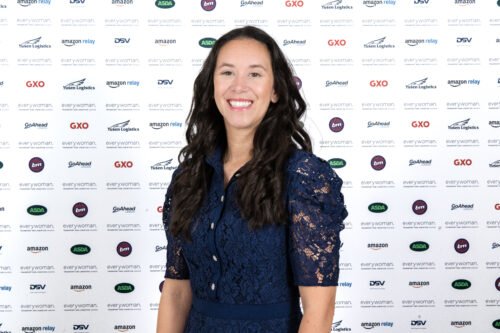
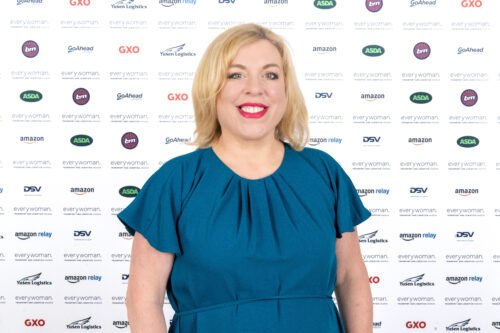
For Emma Kolahi, Senior HR Business Partner at Royal Mail, and Jennifer Swain MBE, Managing Director of Road to Logistics, genuine allyship means moving beyond expressions of support and turning them into meaningful action.
Both will discuss allyship and female leadership in logistics at the everywoman in Transport & Logistics Forum, held in partnership with Royal Mail on 17 September 2026.
“Inclusion has to be designed around the reality of people’s working lives, not just what works for those in an office,” Kolahi said.
“In a large operational workforce, that means listening directly to colleagues, understanding the barriers different teams face and making sure policies translate into practical experiences for everyone.”
That perspective is particularly significant in logistics, where employees operate across different shifts, locations and working environments. While a policy may be applied consistently across a company, the way it is experienced in practice can vary significantly from one operational setting to another.
“Consistency doesn’t mean treating everyone identically; it means making sure everyone has the opportunity to participate, progress and feel they belong,” Kolahi added.
Keeping careers on track
Career breaks offer another clear example of the gap that can sometimes emerge between workplace policy and employees’ real-life experiences.
According to Kolahi, effective support should not begin only when an employee returns to work. Instead, it should start before they leave and continue throughout their transition back into the workplace.
“Good support starts before someone goes on leave and continues well beyond their return,” Kolahi said.
“Keeping people connected, giving them choice about how they return and making sure managers have meaningful conversations about their aspirations can make a significant difference. A career break can change circumstances and priorities, but it shouldn’t mean a loss of ambition, opportunity or visibility.”
For managers, this means maintaining conversations around professional development and career progression rather than treating an employee’s return from leave simply as an administrative process to manage.
Jennifer Swain sees a similar need for a broader understanding of careers and talent within logistics.
Through Road to Logistics, she works with people from a wide range of backgrounds and says misconceptions about the industry continue to discourage potential candidates before they have even considered the sector as a career option.
“One of the biggest misconceptions is that logistics is simply driving trucks or working in warehouses,” Swain said.
“In reality, it’s one of the most diverse industries in the UK, offering careers in technology, planning, engineering, sustainability, operations, leadership and so much more.”
For many women, the long-standing perception of logistics as a male-dominated industry can remain a significant barrier.
“The challenge isn’t that women aren’t capable of succeeding in logistics. It’s that too many have never been shown it’s a career for them,” Swain said.
“If we want to solve the skills shortage, we have to stop waiting for talent to find us and start actively creating opportunities that allow people to see themselves in our industry.”
However, attracting people into logistics is only part of the challenge.
“Recruitment is the easy part. Belonging is much harder,” Swain said.
“Too many organisations celebrate diverse hiring figures but fail to ask whether people still feel they belong six or twelve months later.”
At Road to Logistics, this is reflected in continued support after recruitment rather than treating employment as the final destination.
“At Road to Logistics we provide twelve months of mentoring because getting someone into employment isn’t the finish line, it’s the starting point,” she said.
Recognising potential
Supporting the progression of women can sometimes raise concerns among managers about preferential treatment. Swain argues, however, that the real issue should be whether individuals genuinely have fair access to opportunities.
“Supporting women’s progression isn’t about giving someone an unfair advantage; it is about making sure everyone has a fair opportunity to succeed,” she said.
“If there are structural or cultural barriers that mean talented women are less likely to access opportunities, simply applying the same process to everyone doesn’t necessarily create fairness.”
For leaders, this requires closer attention to the way opportunities are distributed within an organisation: who gets heard, who is offered opportunities and who receives sponsorship.
The same principle can also be applied to recruitment, particularly when assessing candidates whose professional backgrounds do not fit a traditional or conventional profile.
“The people we support have taught me that potential doesn’t always arrive with the perfect CV,” Swain said.
Her experience includes working with people who have faced homelessness, military service, caring responsibilities, long-term unemployment, criminal convictions, as well as educational and social disadvantage.
“The leaders our industry needs are those who look beyond someone’s past and focus on their potential,” Swain said.
“Future leadership isn’t about having all the answers. It’s about having the curiosity, empathy and courage to see talent where others only see barriers.”
Making allyship visible
Ultimately, workplace culture is not shaped only by official policies or corporate commitments. It is built through the everyday decisions managers and leaders make.
“Culture is created in the everyday moments, such as who gets heard, who gets opportunities, who gets sponsored and whose potential is recognised,” Swain said.
“We need to give leaders the confidence and accountability to have those conversations and challenge their own assumptions.”
For operational leaders, the message is straightforward: listen to the women working within their teams, understand the barriers they encounter and take action based on what they hear.
“Allyship doesn’t require having all the answers; it requires curiosity, consistency and a willingness to use your position to create opportunities for others,” Kolahi said.
In practical terms, this could involve introducing someone to an influential colleague, giving them greater visibility on an important project, advocating for an opportunity or simply taking the time to have a meaningful conversation about their career.
“I would ask every leader to identify one woman in their team or network whose potential they believe in, and then do something tangible to support her progression,” Kolahi said.
“Allyship is ultimately about using your influence to open doors for others, not just saying you support them.”
Swain believes organisations should also challenge the way they define whether a candidate belongs within their business.
“Stop asking whether someone ‘fits’ your business and start asking whether your business is designed to help talented people succeed,” she said.
“Allyship isn’t a campaign or a statement on social media. It’s the everyday decisions leaders make when nobody is watching.”
For logistics companies facing increasing pressure to attract and retain skilled workers, these decisions can have direct and practical consequences.
As Swain puts it:
“Inclusion isn’t about lowering standards or ticking boxes. It’s about widening the talent pool and ensuring the very best people have the opportunity to succeed.”
The everywoman in Transport & Logistics Forum, organised in partnership with Royal Mail, will take place on 17 September 2026 at the Royal Mail Midlands Superhub in Northampton.