




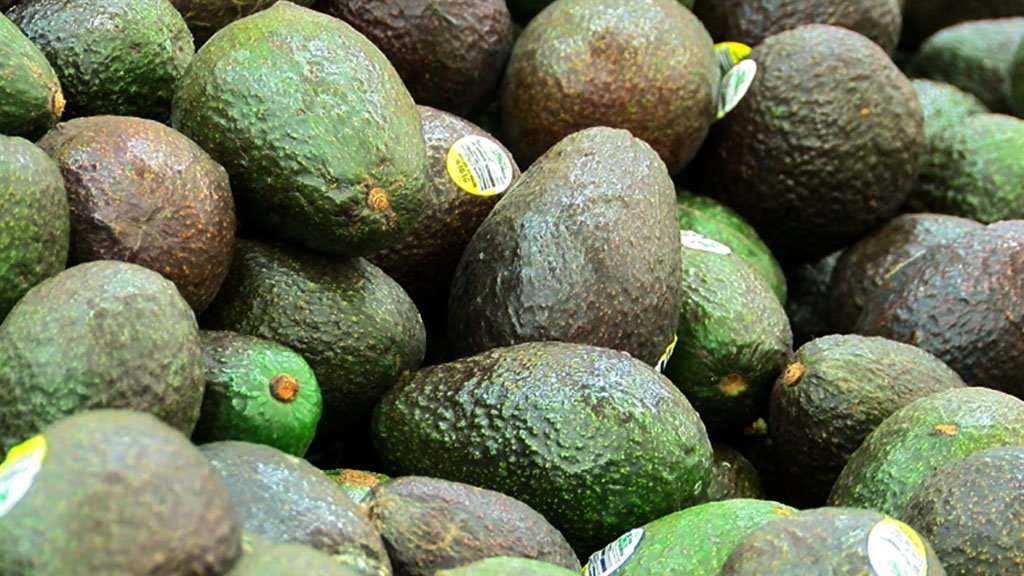
U.S. Logistics Mexican Avocado Imports Total $641.5 Million
U.S. transportation and warehousing activity from imports of Mexican Hass avocados generated an estimated $641.5 million in the fiscal year 2025–2026, supporting more than 4,150 jobs, according to Texas A&M University research.
The results underscore the importance of cross-border trucking, refrigerated transport and distribution infrastructure in moving Mexican agricultural products to consumers throughout the United States.
The study, “The U.S. Economic Contributions of Hass Avocado Imports from Mexico,” was authored by Gary W. Williams, emeritus professor in the Department of Agricultural Economics at Texas A&M University, and Dan Hanselka, extension program specialist. The analysis was released Wednesday by the Avocado Institute of Mexico.
According to the report’s estimates, Mexican Hass avocado imports contributed $7.1 billion in total U.S. economic output and supported 37,163 jobs in several industries during the fiscal year ending June 2026.
Most avocados arrive in shipments through Texas ports.
Texas is a key gateway state for Mexican avocados entering the U.S. market. According to USDA data cited in the study, 98% of Mexican avocados shipped to the U.S. in 2024 arrived by truck at Texas land ports.
Some 58.2 percent of those imports passed through the Pharr border crossing, with another 39.4 percent passing through Laredo, making the two gateways key links in the agricultural supply chain between Mexico and the United States.
Once in the country the shipments get shuffled around a huge logistics network of trucking companies, refrigerated warehouses, wholesalers, distribution centers and food processors. These operations connect Mexican producers with grocery stores, restaurants and other buyers all across the country.
It’s more than just the transport of avocados. Freight movements generate demand for fuel, equipment, vehicle maintenance, repairs and other logistics related services and support businesses across the wider supply chain.
The deal helps Texas and California
Imports of Mexican Hass avocados contributed an estimated $428.9 million to the Texas economy, added $265.5 million to the state’s gross domestic product and supported 2,402 jobs in a variety of sectors. They were tied to imports of Mexican Hass avocados valued at about $245.1 million.
Imports of Mexican avocados generated an estimated $968.2 million in economic activity and 5,325 jobs in California, the nation’s largest consumer of the fruit.
But Texas and California together accounted for just 19% to 22% of the measures in the study in terms of their contribution to the national economy. The figures show the extent to which Mexican agricultural imports stimulate economic activity in areas well away from the main border crossings and main consumption markets.
The report also estimates that Mexican Hass avocado imports valued at $3.2 billion in fiscal year 2025-2026 contributed about $4.4 billion to U.S. gross domestic product. Supported $2.4 billion in wages and salaries and $1 billion in federal, state and local tax revenue.
“Today’s results demonstrate the advantages of a North American supply chain that has been developed over decades of integration between Mexico and the United States,” said Ron Campbell, executive director of the Mexican Hass Avocado Import Association.
“Mexican avocados don’t just cross the border, they create economic activity across the country, feeding transportation and distribution networks, retailers, restaurants and local communities,” he said.
GLS US Extends Parcel Delivery Services to El Paso
GLS US has expanded its parcel delivery network into El Paso, Texas, adding another market along the U.S.–Mexico border and strengthening its coverage across the western United States.
Announced on October 20, the expansion provides businesses in West Texas with access to first-mile, middle-mile and final-mile delivery services. The new location can also determine international shipping capabilities and parcel transportation for shipments weighing up to 150 pounds.
El Paso is a significant gateway for U.S.–Mexico trade, with its logistics activity closely linked to manufacturing, distribution and cross-border commerce with neighboring Ciudad Juárez, Mexico.
GLS US expects the expanded network to serve manufacturers, distributors, retailers and e-commerce businesses seeking stronger shipping connections throughout Texas and the western United States.
The move follows the company’s expansion into Houston, Austin and San Antonio earlier in 2026. GLS US entered the Dallas–Fort Worth market in 2025.
The company is part of GLS Group, a European parcel delivery operator with a presence in more than 50 countries and annual parcel volumes exceeding 900 million.
The El Paso expansion adds capacity in a strategically important border market, where cross-border trade and regional distribution create demand for reliable parcel transportation services.
Jetco Launches Specialized Cargo Division to Support Gulf Coast Industrial Growth
Houston-based trucking and logistics company Jetco has established a specialized cargo division to address rising demand for heavy-haul transportation associated with data centers, power generation, manufacturing and infrastructure development along the Gulf Coast.
The new division brings together Jetco’s established heavy-haul operations, launched in 2008, and its expanding freight brokerage business. Its focus includes oversized, overweight and out-of-gauge cargo requiring specialized equipment and transport planning.
Jetco President Kyle Kristynik said the company began positioning itself three years ago to capitalize on accelerating investment in domestic power generation, manufacturing and infrastructure, particularly data centers.
Specialized equipment expands heavy-haul capacity
Jetco has added four specialized trailers in 2026 to support its growing operations. The additions include:
-
Two Faymonville Multimax trailers, each capable of carrying 125,000 pounds.
-
One Goldhofer trailer rated for loads of up to 180,000 pounds.
-
One Fontaine hydraulic removable gooseneck trailer with a 55-ton capacity and a 16-foot footprint.
The division will combine Jetco’s own trucks and trailers with a network of prequalified third-party carriers to manage complex industrial freight movements.
The company also intends to work with its Canadian sister companies, Precision Specialized and Scott Woods Transport, to support specialized heavy-haul and out-of-gauge shipments.
Jetco operates from its Houston headquarters and maintains facilities in Pasadena, Freeport and Dallas, Texas. It is part of The GTI Group, a Canadian transportation company.
The launch reflects growing demand for specialized freight services as industrial investment across the Gulf Coast drives the movement of heavy machinery, oversized components and equipment for energy and infrastructure projects.
What These Developments Mean for the Logistics Industry
The three developments illustrate different facets of the growing role of the U.S. freight sector in cross-border trade and industrial growth.
Mexican avocado imports are an example of how agricultural trade fuels truck driving jobs, refrigerated warehousing and distribution activity throughout the country. GLS US’s expansion into El Paso enhances parcel delivery service in a major border market and Jetco’s specialized cargo segment targets the increasing transportation demands of industrial and infrastructure projects.
Taken together, these changes illustrate how investment in transport networks, specialist equipment and regional delivery capacity helps to link international supply chains to domestic consumers, retailers and industrial customers.