



The United Kingdom is hosting a meeting of 35 countries on 2 April to discuss the reopening of the Strait of Hormuz and examine diplomatic and political options for restoring safe navigation through one of the world’s most critical maritime chokepoints.
Prime Minister Keir Starmer announced the initiative while stressing that the UK is not party to the conflict in Iran and has a clear national interest in helping de-escalate the situation and restore commercial shipping access.
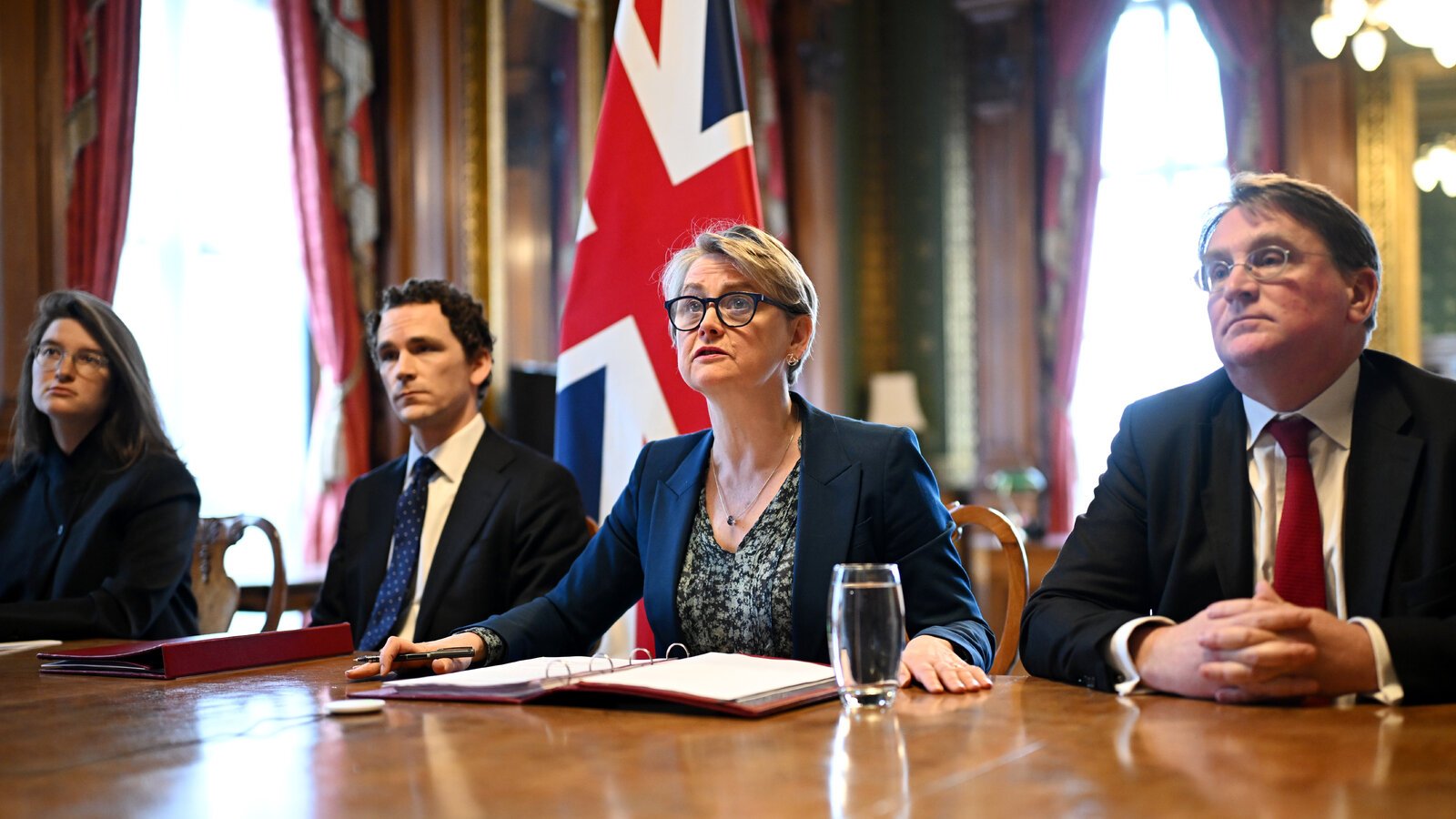
The meeting, to be chaired by Foreign Secretary Yvette Cooper, will bring together the signatory nations to a statement of intent on maritime security in the Arabian Gulf. According to the UK government, discussions will focus on restoring freedom of navigation, protecting vessels and seafarers trapped by the crisis, and enabling the movement of key commodities to resume.
Starmer said that, following the diplomatic meeting, military planners would also be convened to assess how capabilities could be coordinated to make the strait safe and accessible once the fighting ends.
He acknowledged that the task would be difficult, warning that reopening Hormuz would not be straightforward. However, he said a combined approach involving diplomacy, military preparedness and close coordination with industry would be essential.
A Downing Street meeting earlier this week with shipping, energy, insurance and finance executives reportedly reinforced that the central issue in resuming transits is safety and security of passage, rather than insurance availability.
The 35 countries attending include the UK, France, Germany, Italy, the Netherlands, Japan, Canada, South Korea, New Zealand, Denmark, Latvia, Slovenia, Estonia, Norway, Sweden, Finland, Czechia, Romania, Bahrain, Lithuania, Australia, the UAE, Portugal, Trinidad & Tobago, Croatia, Bulgaria, Kosovo, Panama, North Macedonia, Nigeria, Montenegro, Albania, the Marshall Islands, Chile and Moldova.
The joint statement first issued on 19 March condemned Iranian attacks on commercial shipping in the Gulf and the de facto closure of the Strait of Hormuz. It also cited UN Security Council Resolution 2817, stating that interference with international shipping and disruption to global energy supply chains pose a threat to international peace and security, and called for an immediate moratorium on attacks on civilian infrastructure, including oil and gas installations.