



Concerns are growing again around the Panama Canal as shipping companies prepare for a new maintenance period that is expected to slow traffic even further at a time when congestion is already starting to build.
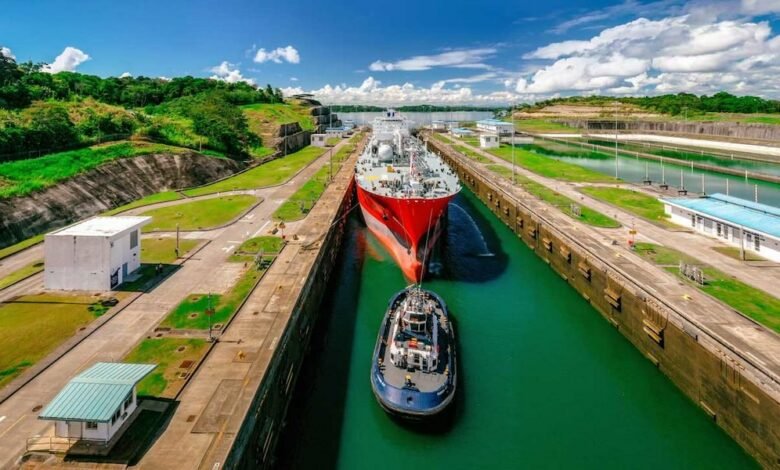
The Panama Canal Authority has confirmed that maintenance work will take place on the east lane of the Gatun Locks from June 9 to June 17. During those nine days, transit capacity will be reduced to 16 ships per day, with vessels having to share the west lane, something that is expected to increase waiting times across the canal.
For the shipping industry, the timing could hardly be more complicated.
Global trade routes are already under pressure because of the ongoing Strait of Hormuz crisis, which continues to force vessel rerouting and disrupt traffic flows across several shipping sectors. As more ships shift routes, congestion around key maritime chokepoints like the Panama Canal is becoming increasingly visible.
Scandinavian bank SEB warned this week that delays are already rising quickly. According to the bank, average waiting times at the canal have climbed to nearly 48 hours so far this month around 60% higher than the levels recorded earlier this year before the latest geopolitical tensions escalated.
The bank said the upcoming maintenance works could worsen the situation further, potentially leaving some shipowners facing difficult choices between waiting in long queues or rerouting vessels around the Cape of Good Hope at a much higher operational cost.
SEB also pointed out that tighter canal access is helping support freight rates in the LPG market, particularly for VLGCs, where rates from the US Gulf are already trading close to record highs at around $185,000 per day.
At the same time, weather risks are creating additional uncertainty for the months ahead.
The US National Oceanic and Atmospheric Administration estimates there is now an 82% chance of El Niño conditions returning between May and July. There is also an increasing possibility that the event could become severe later this year.
That matters because El Niño has historically reduced rainfall across Central America, directly affecting water levels in Gatun Lake, the Panama Canal’s main freshwater source. Lower water levels have previously forced transit restrictions and major operational disruptions at the canal.
For now, however,canal authorities are trying to calm fears of another major drought crisis.
Officials insist there are currently no plans to reduce vessel traffic during the rest of 2026 and say water-saving measures introduced over the past year have helped maintain Gatun Lake at healthier levels than during the previous drought period.
The authority also says the canal is still handling around 38 ships per day despite rising pressure on the system.
Even so, the market is clearly becoming more nervous. Last week, reports showed that auction prices for priority Panama Canal transit slots had surged to a record $4m per vessel an extraordinary figure that even exceeds levels seen during the severe drought disruptions of recent years.