



Iran has unveiled a new maritime control initiative around the Strait of Hormuz that is already raising serious concerns across global shipping markets and among international operators.
According to Iranian state media, Tehran is proposing a new insurance-based framework called Hormuz Safe, designed to formalise how vessels transit through one of the world’s most strategically important oil shipping routes.
The system would rely on digital marine insurance certificates and financial responsibility documents issued through a platform using cryptographic verification technology, with payments settled in Bitcoin.
On its website, the platform describes itself as a fast digital insurance solution for Iranian shipping companies and cargo owners, using blockchain technology to process transactions and verify coverage.
Under the proposed model, the insurance would initially cover risks linked to vessel inspections, detentions and confiscations. Damage caused by military strikes, however, would not be included in the coverage.
Iranian officials quoted by the Fars News Agency believe the project could eventually generate more than $10bn in revenue for the country.
But the insurance programme is only one part of a much broader development that is now creating unease throughout the maritime industry.
At the same time, Iran’s Islamic Revolutionary Guard Corps Navy has announced that all vessels intending to transit the Strait of Hormuz must now submit a mandatory Vessel Information Declaration to a newly established body called the Persian Gulf Strait Authority.
Ships that fail to comply could potentially be denied passage through the strait.
The declaration process requires operators to provide highly detailed information before entering the waterway, including cargo type, vessel operator identity, origin, destination and full routing details.
For tankers transporting crude oil from countries such as Saudi Arabia, the UAE, Kuwait or Iraq, this would mean handing commercially sensitive cargo and routing information directly to Iranian authorities.
The move is already triggering legal and geopolitical concerns.
Under the United Nations Convention on the Law of the Sea, the Strait of Hormuz is considered an international transit corridor where ships are entitled to freedom of passage. Iran, however, is not a signatory to UNCLOS.
A separate UN resolution backed by 112 countries has reportedly rejected the Persian Gulf Strait Authority framework, arguing that it conflicts with established international maritime law. Despite this, no foreign navy has yet physically challenged the new declaration requirement at sea.
Meanwhile, global powers are closely monitoring the situation.
US Treasury Secretary Scott Bessent said over the weekend that China currently the world’s largest oil importer and one of the biggest buyers of sanctioned Iranian crude is expected to work behind the scenes to help stabilise and reopen normal traffic conditions in the strait.
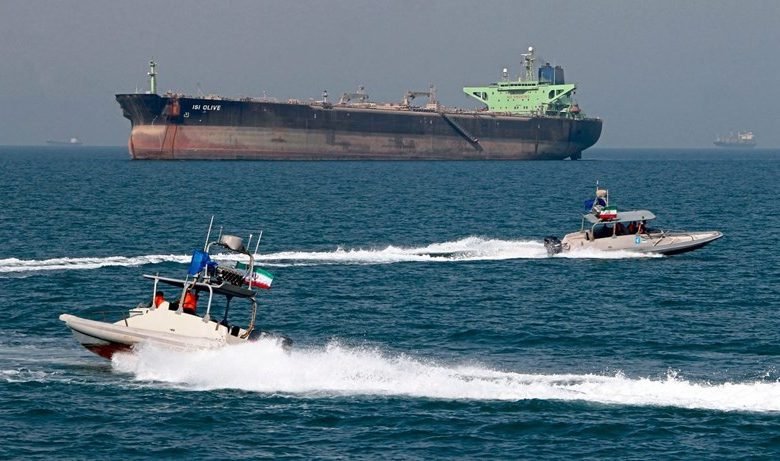
On the operational side, maritime intelligence company Windward says activity linked to the IRGC remains elevated throughout the area, with increased movements involving patrol boats, fast craft, dhows and coastal vessels.
According to Windward, the Strait of Hormuz is increasingly functioning less like a traditional international shipping lane and more like a heavily managed maritime zone shaped by surveillance, enforcement activity and restricted visibility.