



APM Terminals is stepping up its push toward electrified port operations through a new global framework agreement with Finnish charging specialist Kempower.
The three-year agreement sets the stage for Kempower to supply DC fast-charging infrastructure across APM Terminals’ worldwide network, supporting the gradual shift toward battery-electric container-handling equipment.
The initiative sits within the wider decarbonisation strategy of A.P. Moller – Maersk, which has set a target of reaching net-zero emissions by 2040. For its terminal arm, electrification has become one of the most concrete levers to get there.
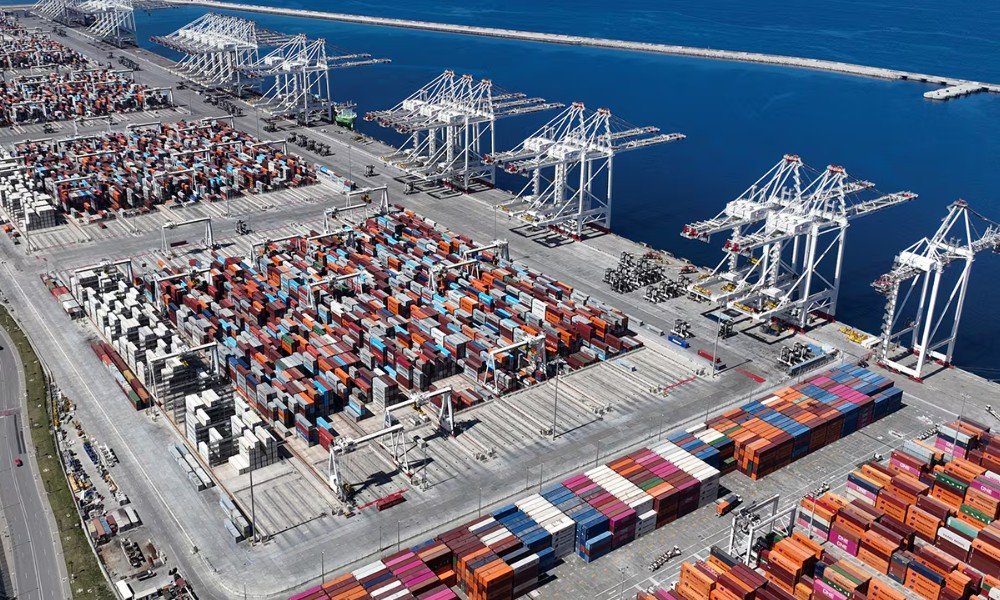
Early deployments are already underway. Charging systems are being installed at terminals in Yucatán (Mexico), TM2 in Morocco, and Callao in Peru, where they will support the introduction of electric vehicles and cargo-handling machinery.
While the framework agreement does not lock in specific order volumes, it effectively positions Kempower as a preferred partner as individual terminals move forward with their own investment timelines.
At the operational level, the shift means replacing diesel-powered equipment such as terminal tractors, reach stackers and gantry cranes with electric alternatives — a change that is increasingly driven by both emissions targets and local air quality requirements.
According to Grant Morrison, Global Head of Asset Category Management at APM Terminals, the partnership is also about standardisation. The goal is to develop a charging model that can be replicated across multiple terminals, rather than building isolated solutions at each site.
He stressed that electrification is now central to the company’s long-term net-zero roadmap, especially as port equipment continues transitioning away from conventional fuel sources.
For Kempower, the agreement strengthens its footprint in a sector that is quickly becoming one of the most demanding segments for charging infrastructure. Ports require systems capable of handling heavy duty vehicles operating almost continuously, which puts reliability and scalability at the centre of deployment strategies.
Mathias Wiklund, Chief Sales Officer at Kempower, underlined that dependable charging infrastructure will be essential as terminals scale up electric fleets and phase out diesel operations.
More broadly, the deal reflects what is happening across the container terminal industry: a steady but clear shift toward electrification, pushed by regulation, customers and growing pressure to cut supply chain emissions.
Fast-charging infrastructure is becoming a critical enabler in this transition, especially as ports move from pilot projects to full-scale electric operations.
With installations already underway across three continents, the partnership offers a first real glimpse of how APM Terminals could gradually reshape its global footprint into a more electrified and lower-emission port network.