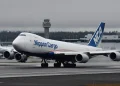





Matson Logistics sees further shift from air to ocean as shippers respond to rising costs and changing market dynamics, the company said on its first-quarter 2026 earnings call.
The company, which operates across rail, road, ocean transport, as well as warehousing and broader supply chain services, said it has already seen ongoing air-to-ocean freight conversions in the first quarter of the year.
Chairman and CEO Matthew Cox noted that the business benefited from elevated air freight costs and tighter capacity in certain markets, which encouraged customers to reassess their transport choices.
He explained that the trend is not entirely new, with Matson already observing shifts from air to sea even before recent geopolitical tensions and energy-related price increases affected global logistics flows.
According to Cox, customer behaviour in this space tends to fluctuate depending on market conditions, with some periods showing stronger conversion from air to ocean than others. However, he suggested the company may now be entering a phase where these conversions become more frequent again, even if some are temporary while others become longer-term adjustments.
He also pointed out that sustained high energy prices and fuel availability issues continue to distort air cargo economics, particularly in regions heavily reliant on imported jet fuel, adding further pressure on air freight competitiveness.
While higher jet fuel costs are encouraging some shippers to look at ocean alternatives, industry data indicates that global air cargo rates have recently started to ease after a period of increases linked to geopolitical disruptions in the Middle East.
- Latest
- Trending
ADVERTISEMENT