



A container vessel whose construction was halted in the aftermath of the 2008 financial crisis has finally been delivered and placed into commercial operation, closing a development cycle that has stretched across almost 20 years and multiple market cycles.
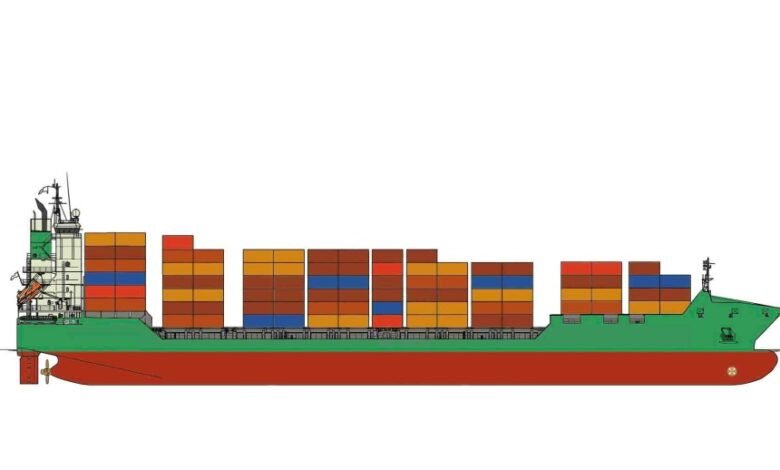
According to Danish liner consultancy Sea-Intelligence’s rival analyst Alphaliner, the 917 teu vessel Behram Box has now been completed and chartered to DP World-owned Unifeeder, officially bringing the long-delayed project back into commercial service.
The ship is the first of two sister vessels originally ordered from Turkey’s Um Shipyard around the mid-2000s. Both units were left unfinished for more than a decade after construction was suspended during the global financial crisis, remaining largely idle at the yard from 2012 onwards.
Only recently, amid stronger feeder demand and a tight charter market, investors made the decision to restart and complete the long-stalled assets.
The vessel was later towed from Gölcük to Tuzla, where construction was finally completed. A second sister vessel, Numan Box, is also expected to be delivered shortly, continuing the revival of what industry observers have described as “ghost ships”.
Alphaliner notes that both vessels have now been assigned new IMO numbers and will be classified as 2026-built ships, despite their original construction dating back to the mid-2000s.
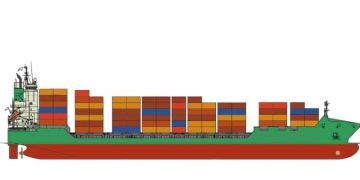
The ships are based on the Volharding 900 design, a well-known European feeder concept developed by Dutch designer Bodewes Scheepswerf Volharding. Measuring 153.6 metres in length with a capacity of 917 teu, they are designed for regional container operations.
Ownership is believed to be held by Turkey’s EOS Group, while completion work is thought to have been carried out by Dentas Shipyard in Tuzla.
Following delivery, Behram Box has already entered service on Unifeeder’s Turkey–Bulgaria shuttle route, operating between Ambarli, Burgas and Varna.
The completion of the vessel highlights how strong feeder demand and buoyant charter markets are reviving long-dormant shipbuilding projects, transforming assets once considered permanently abandoned into commercially viable tonnage once again.