



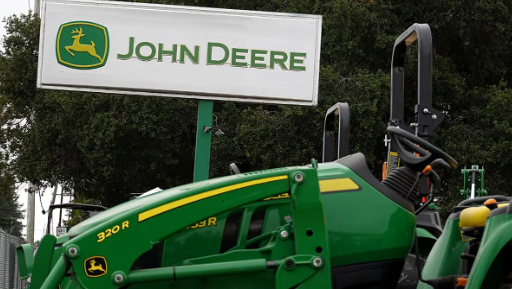
Deere & Co. has recovered $272 million in tariff refunds after the U.S. Supreme Court ruled in February that certain duties imposed by the Trump administration were collected illegally, according to Director of Investor Relations Josh Beal during a May 21 earnings call.
Despite the refund, the company still expects around $900 million in net tariff-related costs for the current fiscal year ending November 1, as ongoing Section 122 duties and adjustments to Section 232 tariffs continue to weigh on its operations, Beal told investors.
Chief financial officer and senior vice president Brent Norwood stressed that Deere is not passing tariff costs directly on to customers. “We are not surcharging our customers on tariffs,” he said, adding that tariff rates have remained inconsistent and highly volatile in recent months.
Deere joins a growing list of major companies successfully reclaiming tariff-related payments through the U.S. Customs and Border Protection refund system. Other beneficiaries include E.l.f Beauty, which expects $58.5 million in rebates, and Walmart, which is forecasting $2.4 billion. Ford Motor Co. also recorded a $1.3 billion benefit in the first quarter linked to potential refunds.
According to a May 22 court filing, CBP is processing approximately $85 billion in potential and certified refunds, with about $20.6 billion already completed including interest.
Beal noted that around 50% of Deere’s refunded tariffs relate to its construction and forestry division, while 30% are linked to its small agriculture and turf segment, and the remaining 20% to large agriculture operations.
The company has also been working to reduce future tariff exposure through a series of mitigation strategies, including changes in sourcing, pursuit of product exemptions, and compliance with U.S.-Mexico-Canada Agreement import rules.
“I have full confidence that we will largely counter the negative financial impact of tariffs over the coming periods, largely through cost measures without ever having to rely on any surcharges to our customers,” Norwood said.
Deere’s relatively strong U.S. manufacturing footprint also helps limit exposure, with around 80% of its products built domestically and approximately 75% of components sourced from U.S. suppliers.
The company continues to expand its domestic production base, committing $20 billion in U.S. manufacturing investment over the next decade. This includes the recent launch of Deere-designed excavator production in Kernersville, North Carolina, following a $70 million facility expansion.