



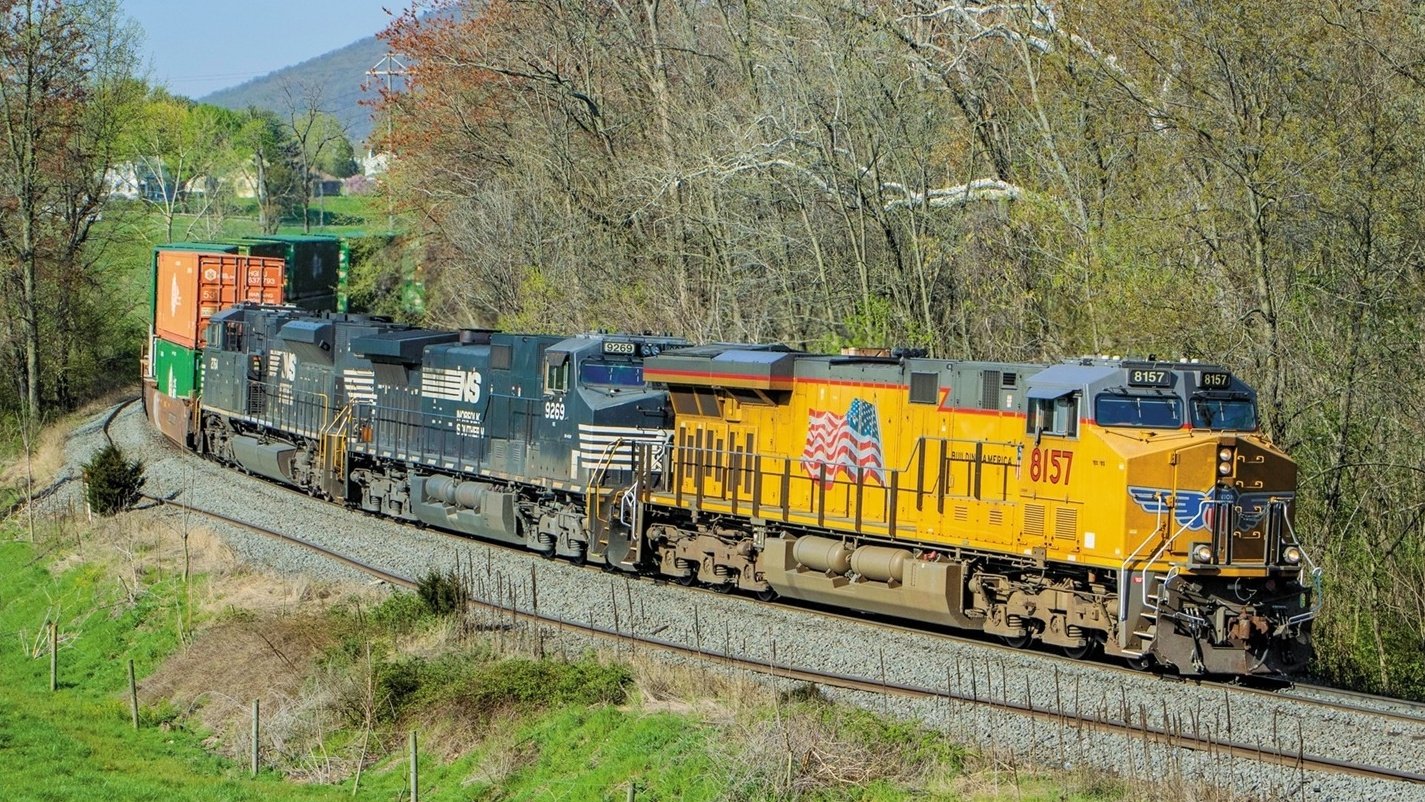
The debate over the proposed Union Pacific–Norfolk Southern merger has intensified after a powerful bipartisan House committee called for a strict application of updated regulatory standards to evaluate the deal, which would create the first all-freight transcontinental railroad in the United States.
The Surface Transportation Board (STB) has been urged to carry out a rigorous review of the transaction, with language inserted into the fiscal 2027 Transportation, Housing and Urban Development (THUD) Appropriations bill. The measure was included following markup on June 2 by the House Appropriations Committee.
“This report language sends another clear signal from members of Congress that the proposed UP (NYSE: UNP)-NS (NYSE: NSC) merger must be subject to the highest level of regulatory scrutiny in order to protect against anti-competitive harms, ensure rail shippers have new and enhanced rail-to-rail competitive options should the transaction move forward, and evaluate whether further concentration in the rail industry is necessary and in the public interest,” said the Stop the Rail Merger Coalition.
The coalition—representing shippers, railroads, labour unions, consumers and policy groups—warned that the deal could increase shipping costs, weaken workforce conditions and create additional pressure on an already strained supply chain.
Reinforced regulatory framework for rail consolidation
The committee also reaffirmed the importance of the STB’s revised 2001 merger rules, introduced after earlier waves of consolidation that were widely seen as disruptive. These rules now require applicants not only to preserve existing rail-to-rail competition but also to demonstrate enhanced competitive benefits for shippers.
The aim, according to the legislative language, is to ensure that any major consolidation delivers measurable public benefits, protects competition and safeguards both the U.S. economy and consumers from potential negative impacts.
Concerns about a “rubber-stamp” approval of the estimated $72 billion deal remain limited, as the STB is widely regarded as a highly analytical and data-driven regulator. Industry observers note that current leadership, including Chairman Patrick Fuchs, has a strong reputation in Washington and the rail sector.
Ahead of the filing, the STB reportedly compiled around 120 million data points, including six years of traffic records, and enlisted data scientists from the Massachusetts Institute of Technology to support its analysis.
On May 28, the STB conditionally accepted the revised merger application submitted by Union Pacific and Norfolk Southern. But it has stopped the formal review process and asked both firms to provide more information by July 27 before deciding what to do next.
- Latest
- Trending
ADVERTISEMENT