



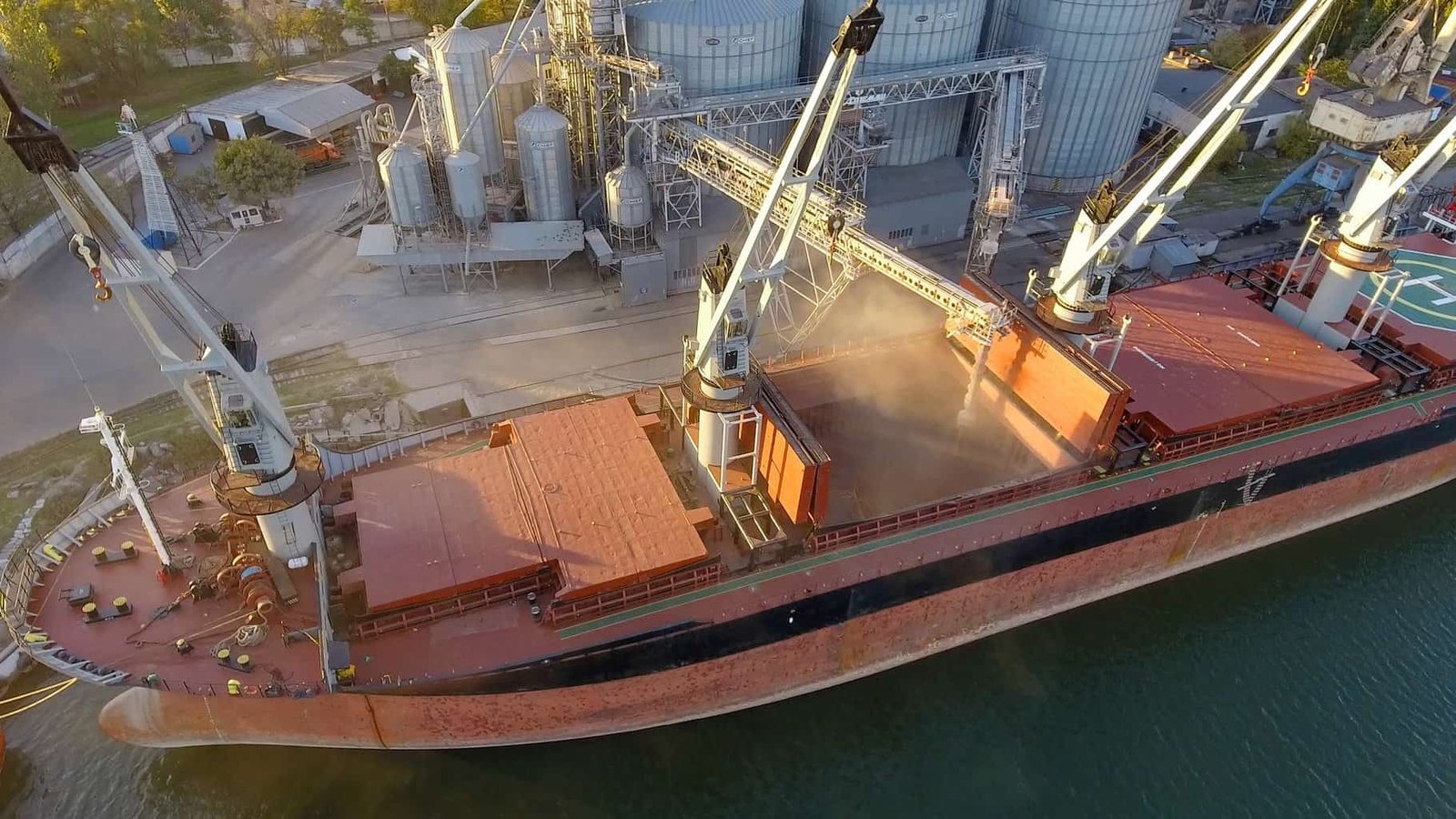
U.S. agricultural shippers are raising alarms over renewed political efforts to reintroduce port fees on Chinese-operated vessels, warning that the measure could significantly disrupt export flows and, in some cases, threaten the viability of domestic crop producers.
The debate centers on a proposal backed by Democratic Senators Mark Kelly of Arizona and Elizabeth Warren of Massachusetts, who are urging the Trump administration to reinstate charges on Chinese cargo ships calling at U.S. ports. These fees were originally introduced earlier this year following a U.S. Trade Representative investigation, which concluded that China had built a dominant position in global shipbuilding and maritime logistics through state control and substantial subsidies.
The policy formed part of broader initiatives aimed at revitalizing U.S. shipbuilding and expanding the U.S.-flag shipping fleet. However, the tariffs were temporarily suspended by President Donald Trump until November after China responded with reciprocal measures targeting U.S. shipping lines. Prior to the suspension, exemptions were also introduced for empty vessels arriving to load agricultural and bulk exports, following strong pushback from exporters.
The Agriculture Transportation Coalition (AgTC), which represents U.S. shippers of grain, soybeans and other agricultural commodities, has strongly criticized the renewed push. The group warned that reintroducing the fees would effectively increase shipping costs across the export chain, placing significant pressure on U.S. agriculture at a time when global competition is already intense.
According to AgTC, the proposed measures risk undermining entire segments of U.S. agricultural productivity and reduce their competitiveness in the international markets. The organization also argued that the policy would disproportionately affect exporters, describing the compliance burden as unrealistic and potentially damaging to large portions of the U.S. economy.
In its statement, the group emphasized that the policy would “threaten the very existence of large segments of U.S. agriculture, by denying them the ability to continue to export,” while also cautioning that it could “single out U.S. exports for the most draconian measures” with immediate economic consequences across multiple regions.
The concerns were echoed in a broader industry submission referencing a March study by Trade Partnership Worldwide, which assessed the potential economic impact of port fees. That analysis was included in a formal letter to the U.S. administration and Congress, signed by 277 trade associations, reflecting widespread resistance across the international trade community.
As political pressure continues to build around maritime policy and industrial strategy, agricultural exporters warn that any reinstatement of shipping fees on Chinese vessels could quickly translate into higher logistics costs, reduced competitiveness, and potential long-term structural shifts in U.S. export markets.
- Latest
- Trending
ADVERTISEMENT