



Turkish Cargo has reinforced its position in specialist air freight after extending its IATA CEIV Pharma, CEIV Fresh, and CEIV Live Animals certifications through to 2029 following a successful IATA assessment.
The carrier, the cargo arm of Turkish Airlines, continues to expand its operations in high-sensitivity logistics, particularly in pharmaceuticals, perishable goods, and live animal transport, supported by its TK Pharma network, TK Fresh product and SMARTIST hub at Istanbul Airport.
Over the past decade, Turkish Cargo has significantly strengthened its presence in the pharmaceutical logistics sector, increasing its global market share from 2% to 10%, while also holding around 12% of the global live animal transport market.
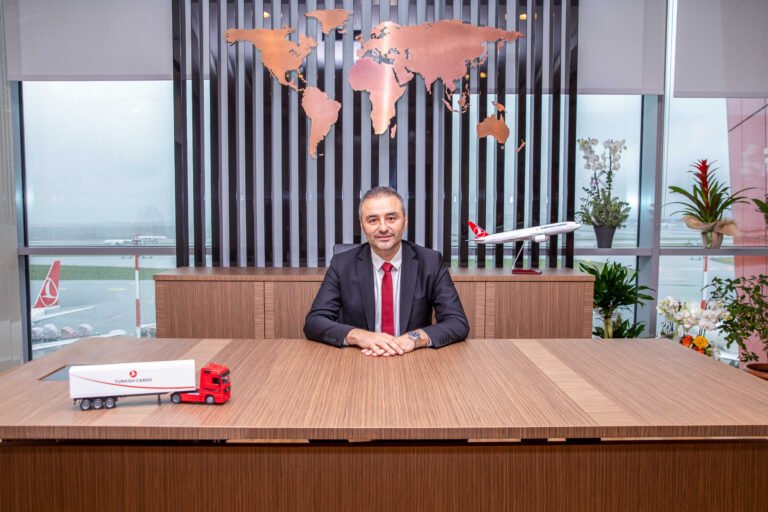
Turkish Airlines Chief Cargo Officer Ali Türk said that transporting temperature-sensitive and high-value goods requires strict operational precision, and that continued investment in infrastructure, technology and personnel is essential to maintaining global standards. He added that the renewed certifications confirm the airline’s international compliance and operational expertise in special cargo handling.
IATA Global Head of Cargo Brendan Sullivan said the CEIV programme has become a key industry benchmark, improving quality standards, compliance, and customer trust across global supply chains. He highlighted Turkish Cargo’s early adoption of the certification system and its continued commitment to maintaining high standards.
Turkish Cargo currently operates its pharmaceutical logistics network across more than 200 stations worldwide, including 69 specialised TK Pharma High Quality Pharma Stations designed to meet strict temperature-control requirements.
For perishable cargo, the airline operates through its TK Fresh product across more than 250 global destinations, ensuring fast and controlled transport from production sites to markets.
At the centre of its operations is the SMARTIST facility at Istanbul Airport, which has also been recertified for all three CEIV standards. The facility includes temperature-controlled zones, automated handling systems and robotic technologies designed to improve efficiency and cargo safety.