




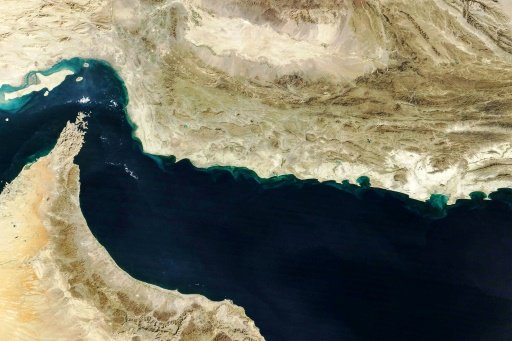
Tensions in the Strait of Hormuz have escalated once again after two crude oil tankers were struck by missiles while transiting waters off the coast of Oman, according to the UAE Ministry of Defence.
The attack claimed the life of one Indian seafarer, while eight other crew members—including six Indians and two Ukrainians—were injured. Four of those injured are reported to be in serious condition.
The vessels involved, Mombasa B and Al Bahyah, are very large crude carriers (VLCCs) operated by ADNOC Logistics & Services, a subsidiary of Abu Dhabi National Oil Company. According to the UAE authorities, both ships were hit by Iranian cruise missiles while using the southern shipping route through the Strait of Hormuz.
The strikes caused fires and material damage aboard both tankers. Emergency crews were able to bring the fires under control, and the vessels were later secured.
The UAE Ministry of Defence condemned the attack in the strongest terms, describing the attack as a serious violation of international law and a threat to regional security and the stability of global maritime trade. The UAE ministry said it reserves the right to take any measures it deems necessary to protect its national interests and ensure the safety of its territory, its citizens and residents.
The incident comes as tensions continue to rise between Iran and the United States over navigation through the Strait of Hormuz. While the U.S. has sought to maintain a southern maritime corridor along the coast of Oman, Iran has rejected that route and continues to promote a northern passage closer to its own coastline.
Separately, the UK Maritime Trade Operations (UKMTO) reported that a tanker had been struck by an unidentified projectile off the coast of Oman, although it has not confirmed whether the report relates to one of the two ADNOC-operated vessels.
The latest attack has further disrupted shipping in one of the world’s most strategically important waterways. According to maritime intelligence platform Kpler, vessel traffic through the Strait of Hormuz fell by around 52% between 10 and 12 July compared with the previous week. The company also noted a sharp decline in traffic using the southern corridor, while more vessels have shifted toward routes closer to Iran or other alternative passages.
New security worries are likely to keep global shipping firms on their toes as geopolitical tensions continue to impact maritime activities in the Gulf region.