



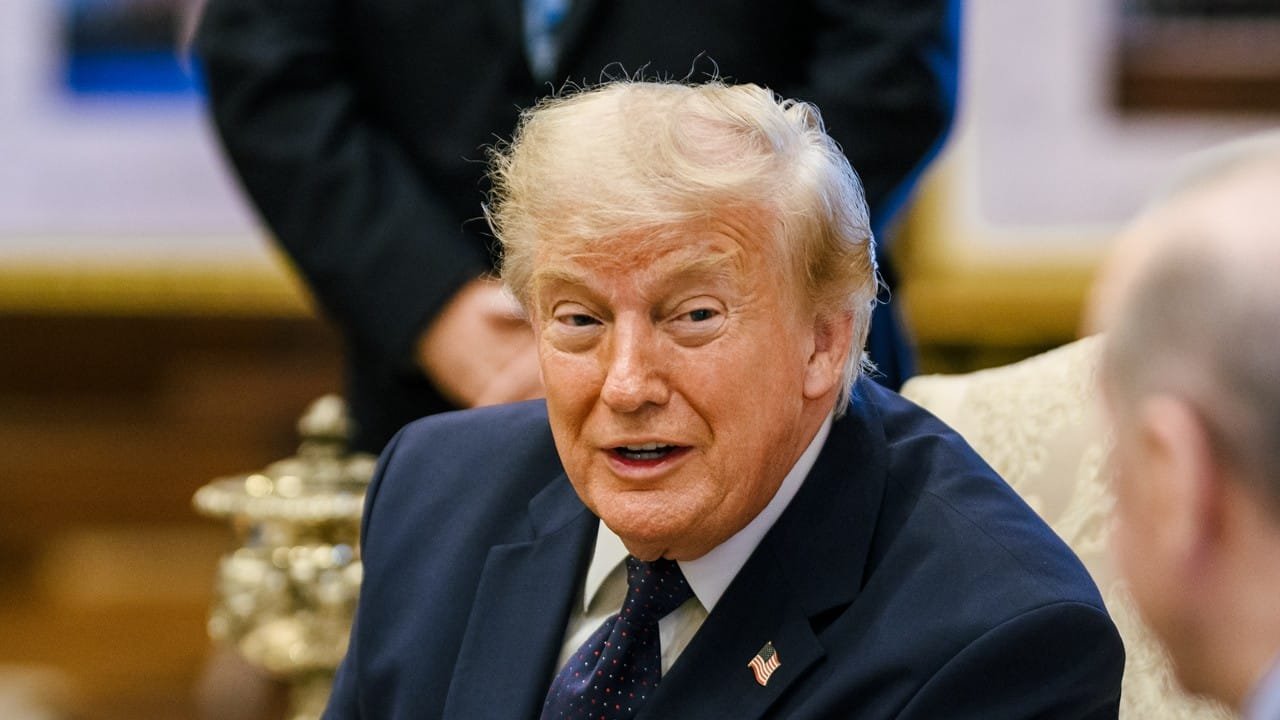
U.S. President Donald Trump has announced a new proposal that would require cargo transiting the Strait of Hormuz to pay a 20% charge to help cover the cost of U.S. security operations in the strategic waterway.
In a post published on Truth Social, Trump said the United States would assume the role of “Guardian of the Hormuz Strait” and argued that cargo owners should contribute to the cost of maintaining safe navigation through the region. While he said the process would begin immediately, no details were provided on how such a system would be implemented.
The proposal is a further escalation of the current tensions between the United States and Iran and seems to run counter to Washington’s long-standing position that the Strait of Hormuz should be an international waterway open to free navigation.
Only a day earlier, the Joint Maritime Information Center (JMIC) had reiterated that U.S. forces were committed to protecting freedom of navigation in accordance with international law and maintaining the uninterrupted flow of lawful maritime trade through the Strait.
Alongside the proposed cargo charge, Trump also announced that the United States would reinstate its blockade of Iranian ports, reversing the pause that followed the peace memorandum of understanding signed between Washington and Tehran in June.
According to the president, the blockade would target only vessels trading with Iran, while ships from other countries would continue to have unrestricted access to the Strait of Hormuz.
The announcement comes as security conditions continue to deteriorate in the region. Several commercial vessels, including vessels transiting the U.S.-supported southern shipping corridor, have been attacked while transiting the Strait of Hormuz in the last few days.
Earlier this month the tanker GFS Galaxy was hit off the coast of Oman starting a fire that forced the crew to abandon ship. Most of the crew were later rescued although one seafarer is still missing.
The renewed military and political tensions are generating fresh concerns throughout the global shipping industry, with the Strait of Hormuz one of the world’s most crucial maritime chokepoints for oil and energy exports. Shipping firms are monitoring developments closely, with any further escalation likely to have serious consequences for international trade, freight markets and global energy supply chains.