




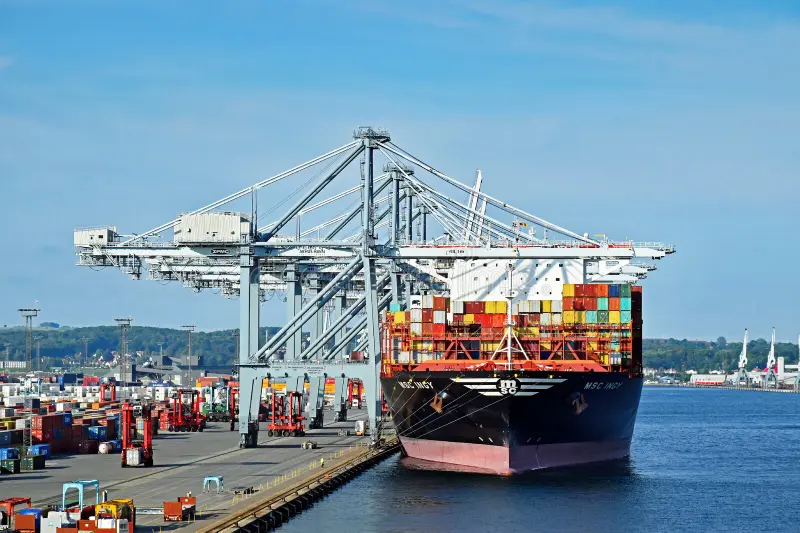
Canadian law enforcement agencies have intercepted 392 fraudulently obtained vehicles valued at approximately $28 million before they could be exported through major ports across the country. The seizures, carried out in Halifax, Montreal, Toronto and Vancouver, were announced Tuesday by the Royal Canadian Mounted Police (RCMP) following the completion of a yearlong enforcement initiative.
Launched in June 2025, Project NoCargo was created in response to an increase in organized vehicle-export fraud. Investigators found that criminal networks were relying on stolen or fabricated identities to secure vehicle financing and insurance before attempting to move the vehicles overseas through Canadian ports.
The operation brought together the RCMP, INTERPOL Ottawa, the Canada Border Services Agency (CBSA), FINTRAC, and several Canadian financial institutions. Border officials flagged suspicious export cases with possible financial fraud indicators, allowing RCMP investigators to assess the files and confirm criminal activity before the vehicles left the country. Once verified, CBSA officers intercepted the vehicles before export.
Authorities say the fraud typically begins long before a vehicle reaches a port. During 2025, INTERPOL Ottawa identified a growing pattern in which organized crime groups used compromised or entirely fabricated personal information to purchase vehicles and obtain insurance coverage. According to the RCMP, the wider rise in vehicle-finance fraud contributed to an estimated $900 million in insurance losses over the past year.
Project NoCargo was designed to identify suspicious transactions early enough to prevent international shipment. The initiative depended on rapid information sharing between banks, law enforcement agencies and border officials, making it easier to connect suspected financial fraud with export activity. While the operation successfully recovered hundreds of vehicles, authorities did not announce any arrests or criminal charges.
RCMP Commissioner Mike Duheme said the pilot demonstrates the value of coordinated action against organized crime.
“This initiative is helping stop the flow of Canadian cars obtained through fraud and provides law enforcement with information to identify and ultimately disrupt criminal organizations.”
He added that vehicle manufacturers, insurers, shipping companies, governments and law enforcement agencies all have an essential role in preventing this type of crime, describing Project NoCargo as clear evidence that collaboration delivers results.
The CBSA also reported that it intercepted 1,590 stolen vehicles at rail yards and marine ports during 2025. To strengthen response times, the agency established a 24-hour contact point for police seeking vehicles believed to be heading toward ports or intermodal facilities. According to the CBSA, every referral is investigated, with potential Project NoCargo cases forwarded to the RCMP for further examination.
CBSA President Erin O’Gorman said the operation reflects the need to adapt as criminal methods evolve.
“Initiatives like Project NoCargo are delivering results and demonstrate the strength of coordinated intelligence and enforcement operations.”
She confirmed that the agency will continue working alongside enforcement partners, although officials have not yet indicated whether Project NoCargo will become a permanent program.
The case also highlights how cargo theft and freight fraud increasingly rely on the same vulnerabilities, including stolen identities, fraudulent documentation and transactions that initially appear legitimate. By identifying those warning signs before shipments enter the export chain, authorities have a greater chance of preventing financial losses and disrupting organized criminal networks.