



California Gov. Gavin Newsom has signed two new laws that will impose additional requirements on certain cold-storage operators, including financial provisions for community emergencies and significantly higher penalties for health and safety violations.
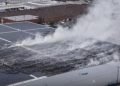
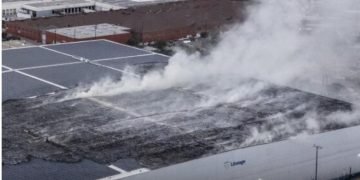
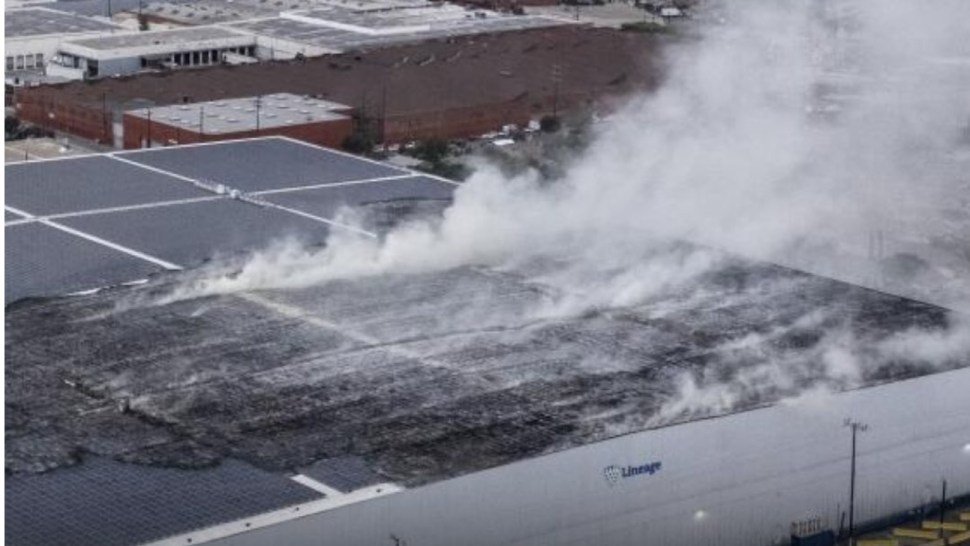
Assembly Bill 817 and Senate Bill 716 were passed in the aftermath of the June 17 fire at a nearly 500,000-square-foot Lineage cold-storage warehouse in Los Angeles. The blaze lasted eight days, prompted the state to declare an emergency and led to an extended cleanup operation accompanied by public-health concerns in nearby neighborhoods.
AB 817, introduced by Assembly member Mark González (D-Los Angeles), requires certain large cold-storage facilities to have either a contingency fund or insurance coverage in place for specified community emergency needs as part of the building-permit approval process.
The provision is intended to ensure that financial resources are available to residents when a major cold-storage incident disrupts a surrounding community. Industry groups opposing the measure, however, have argued that it could create additional financial obligations for cold-chain operators and eventually increase costs across the food and pharmaceutical supply chains.
The Global Cold Chain Alliance said cities and counties could require contingency funds ranging from zero to $20 million as a condition of approving a permit.
Senate Bill 716, sponsored by Sen. Maria Elena Durazo (D-Los Angeles), gives local governments greater enforcement authority over health and safety violations involving certain nonresidential buildings measuring at least 20,000 square feet.
For qualifying violations associated with an emergency declared by the governor or a federal disaster declaration, fines can rise to as much as $50,000 per violation.
The higher penalties will initially apply in Los Angeles County, before being extended to other qualifying areas across California on July 1, 2028.
Durazo noted that existing local penalties can amount to only hundreds or thousands of dollars. In her view, those amounts do not adequately reflect the consequences of major industrial incidents.
The Los Angeles Fire Department determined that the Lineage fire originated on the roof, at or near a solar array consisting of approximately 13,000 panels, and involved an electrical event. However, investigators could not definitively establish the precise electrical trigger, leaving the official cause of the fire classified as undetermined.
Lineage has said its cleanup and remediation costs alone will exceed $100 million. The work includes removing more than 89 million pounds of spoiled food, demolishing the damaged warehouse structure and disinfecting the site.
The two bills are priorities of the California Latino Legislative Caucus and are specifically focused on the aftermath of the Lineage warehouse fire in Boyle Heights, a predominantly Hispanic neighborhood. The incident generated smoke, created significant cleanup challenges and raised concerns over deteriorating food stored at the facility.
During an earnings call, Lineage Chief Executive Greg Lehmkuhl said the company had committed $3.3 million to support the community following the fire.
“Boyle Heights showed us the lasting impact a major facility emergency can have on a community,” Newsom said in a statement. “These laws strengthen the tools, resources and accountability needed to protect residents and help communities respond when emergencies happen.”