



The airline industry is bracing for a potentially turbulent winter as persistently high fuel prices and geopolitical instability threaten to undermine carriers’ financial and operational resilience. Several airlines are expressing concerns about the months ahead, with the coming winter being the first since the outbreak of the Iran war, according to the Financial Times (FT).
The pressure is already leading to operational changes. Lufthansa was among the airlines reported to have cut capacity in its winter schedule, a sign of the difficulty of managing costs in an increasingly uncertain environment.
Fuel costs keep on rising
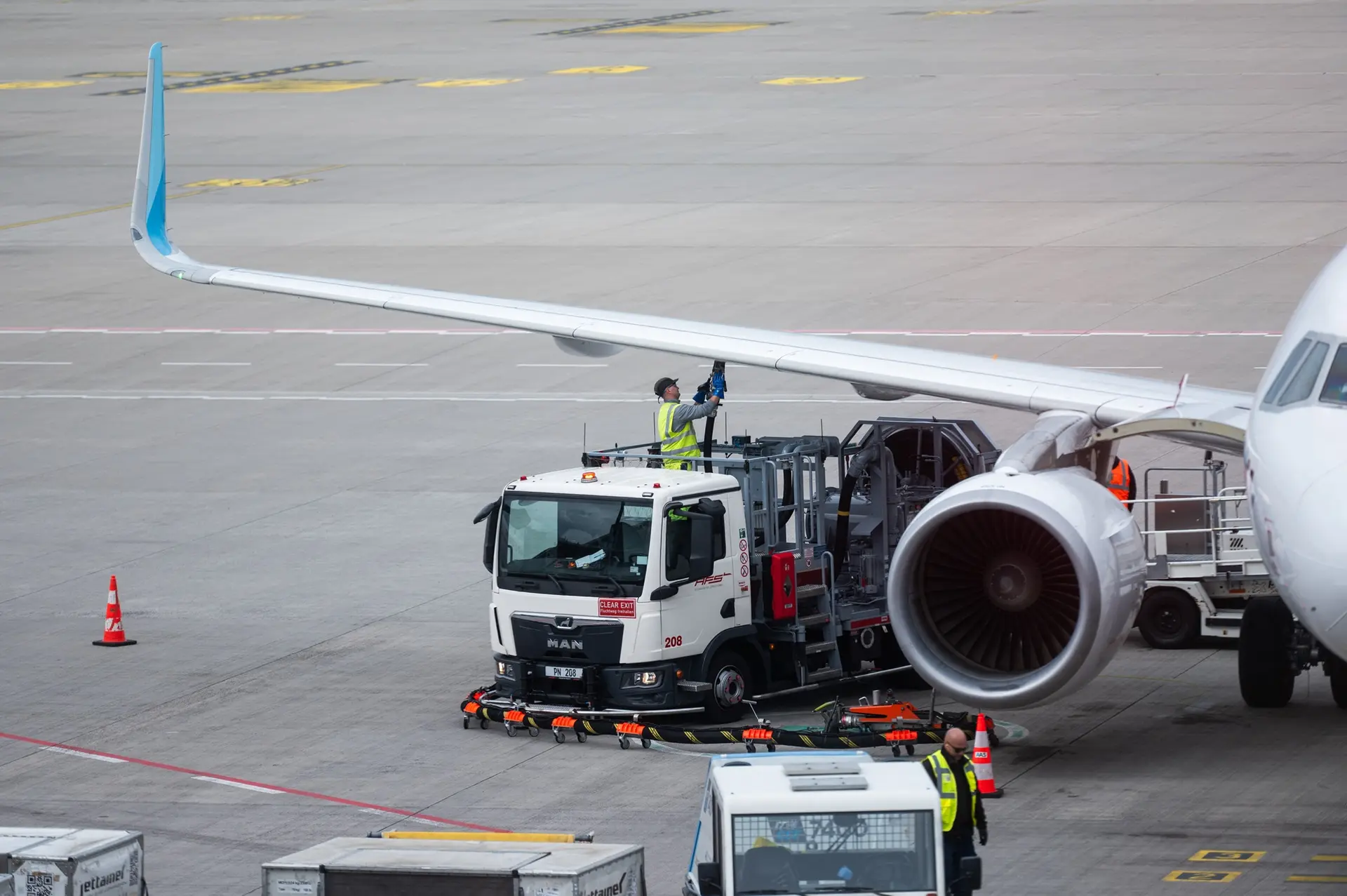
Data from the US Bureau of Transportation Statistics illustrates the magnitude of the financial burden. US airlines spent $42.9 billion on fuel through August of this year, $13.2 billion more than the same period in 2025. This is an increase of about 25% year-on-year.
Delta Air Lines also reportedly slashed its annual profit forecast by $6 billion because of the increase in fuel costs since the conflict started. RTÉ reported that Delta was the first major airline to report its third-quarter results last week, with fuel costs rising 62% year over year.
As airlines head into the traditionally difficult winter season, they have less room to maneuver with higher operating costs and uncertain market conditions.
IAG boss warns of further airline failures
The chief executive of International Airlines Group, Luis Gallego, has warned that smaller and mid-sized airlines could struggle to survive over the next few months.
Gallego told the Financial Times that this winter “we are going to see medium and small companies struggling and they are going to have difficulties surviving, some people are going to be very close to disappearing or [will] disappear.”
His warning comes as the sector comes under increasing financial strain. In May this year Spirit Airlines shut down and airBaltic has filed for bankruptcy. Both developments have been reported in light of the financial woes unleashed by the Iran war.
These cases demonstrate the vulnerability of airlines grappling with a combination of rising costs and an uncertain operating environment, especially those without a substantial financial cushion to endure prolonged cost increases.
Geopolitical instability could amplify risk of winter disruption
And fuel prices aren’t the only concern. Lingering regional tensions contribute to the uncertainty airline executives face as they try to stay profitable and adapt to the new times.
Tensions have escalated between Saudi Arabia and the Houthis in Yemen over the weekend, with attacks on King Khallid International Airport (RUH) and the airport’s closure. FlightRadar24 estimated the disruption caused about 700 flight cancelations a day.
The scale of the disruption demonstrates how security developments in a region can quickly have an impact on airline schedules and network operations, putting further pressure on an industry already facing higher fuel costs.
With the conflict playing out and the economic fallout still unknown, airline executives are making increasingly difficult choices on capacity, costs and financial planning. The coming winter could be a make-or-break season for smaller and mid-sized carriers in particular as they face the twin challenges of sustained fuel inflation and heightened geopolitical risks.