



Panama Canal Uncertainty Rewrites Shipping Decisions
Uncertainty over the Panama and Suez canals is prompting shippers to reconsider traditional routeing strategies, with the Port of Los Angeles a favoured alternative. “We’re seeing about 5 percent more cargo being diverted at origin to sail through Los Angeles as companies try to reduce their exposure to longer transit times and operational disruptions,” said Gene Seroka, the port’s executive director.
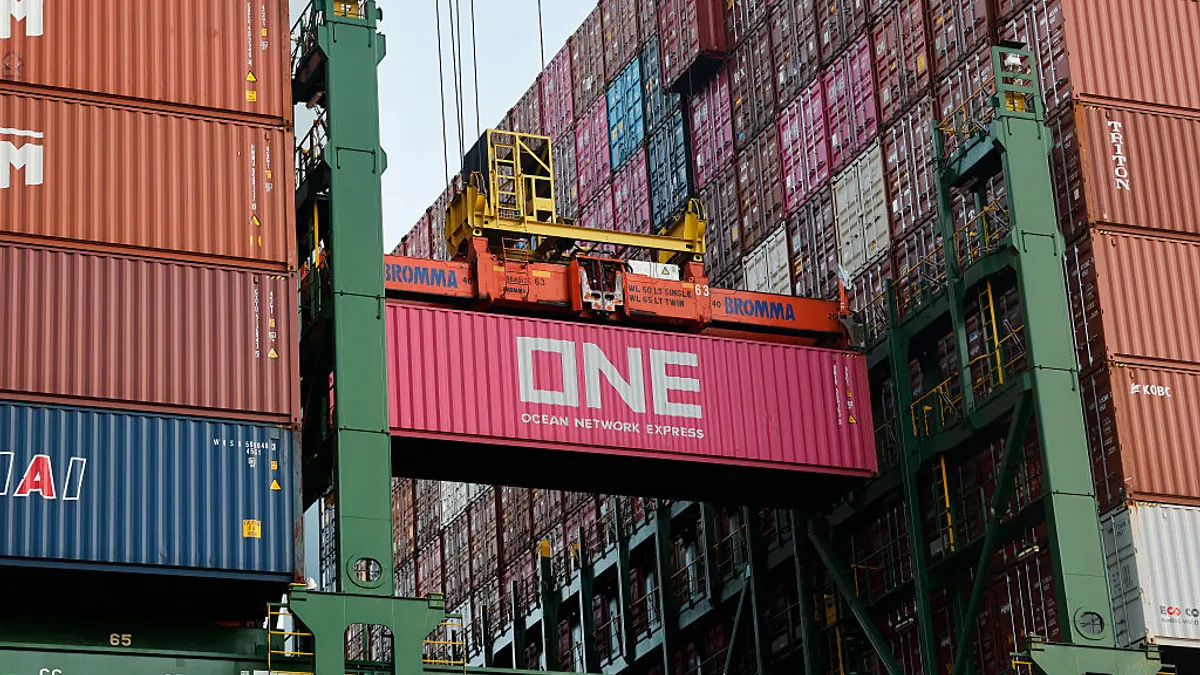
In a media briefing on Friday, Seroka said the port handled 1.04 million twenty-foot equivalent units (TEUs) in September. The result was the busiest month in the facility’s 118-year history, bolstered by retailers and other importers bringing in goods for the holiday season and to rebuild inventories.
Imports loaded 545,696 TEUs, up 19% year-on-year. Loaded exports were also stronger, up 10% from September 2025 to 125,751 TEUs. Empty-container movements reached 371,206 TEUs, an all-time monthly record for the port, the port’s press release said.
Drought Risks and Repercussions Watch out, shippers.
Concerns over El Niño-related drought continue to influence decisions on transiting the Panama Canal. The waterway has been fine-tuning its water conservation measures in anticipation of possible limits on water availability.
The canal said in August it would reduce daily transit slots at its Neopanamax locks to nine, starting Sept. 3. But better-than-average rainfall across the canal’s watershed later allowed authorities to increase the number of available slots to 10, according to an operational advisory published Oct. 9.
But the adjustment still raises concerns of delays for shipping companies. MarineTraffic data shows that between around January and late September 2026, 69 container ships waited more than 100 hours to get through the canal. These ships accounted for 3.3% of all vessels passing through the waterway during the period. At the same time in 2025, the number was only 13 vessels, or 0.6%.
The weekly share of ships experiencing long delays, according to MarineTraffic, peaked in April, at the end of the dry season, before increasing again from July when draft restrictions were introduced. Wait times have improved since then but uncertainty still exists. El Niño is likely to peak in October-December before the 2027 dry season.
The risks are leading cargo owners to divert shipments to other gateways such as Los Angeles.
Higher Fuel Prices Add to the Cost of Longer Routes
The cost of vessel fuel is providing another incentive to reconsider established shipping routes. According to Seroka, fuel prices for vessels have doubled over the past eight months amid the war involving Iran. Longer voyages consequently consume more fuel at higher prices, increasing the financial burden on carriers and their customers.
During recent meetings in South Korea and Singapore, Seroka said he had heard from shipping lines, third-party logistics providers (3PLs) and manufacturers that they were shifting a greater share of their traditional canal-routed cargo to Los Angeles.
Shipping lines are passing these additional expenses on to importers and exporters, prompting cargo owners to seek routes that offer shorter transit times and faster delivery. In this environment, the reliability and overall cost of a route are becoming increasingly important considerations alongside conventional transit options.
Seasonal Demand Could Sustain Elevated Cargo Volumes
The Port of Los Angeles expects cargo volumes to remain relatively high as several factors converge in the coming months, Seroka said.
One important consideration is the earlier timing of Lunar New Year, which falls in the first week of February 2027. The seasonal shift could encourage importers to move goods sooner to ensure that products arrive ahead of the holiday and associated supply-chain disruptions.
Trade policy is another factor. The current trade truce between the United States and China is due to expire on January 10, according to the cited report. Shippers seeking to move seasonal products for the first quarter may therefore bring forward shipments to reduce exposure to potential changes after the deadline.
The combination of seasonal demand, uncertainty over canal transit conditions, elevated fuel costs and the approaching trade deadline could keep cargo flows above normal levels.
Seroka said these overlapping developments were likely to sustain stronger-than-usual volumes, while several approaching deadlines remained firmly on the minds of supply-chain professionals worldwide.
Related articles
 |
Panama Canal extends long-term slot booking programme to Panamax locksOctober 6, 2026 |
 |
How restaurants can mitigate rising fuel costsOctober 5, 2026 |
 |
Supply Chain Relief: Panama Canal to Increase Draught and Daily TransitsSeptember 29, 2026 |
 |
Amazon Launches Direct Rail Service From Los Angeles to the East CoastSeptember 23, 2026 |
 |
Port of Los Angeles Sets New Summer Volume RecordSeptember 10, 2026 |