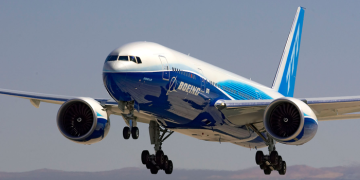




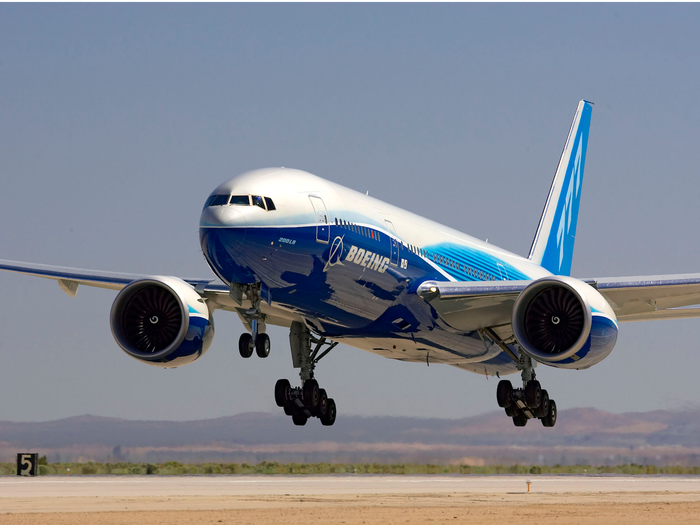
For decades, the Boeing 747 Freighter was the go-to aircraft for long-haul air cargo. That era has now come to an end. Boeing has announced that the Boeing 777 Freighter, known in the industry as the Triple Seven, has overtaken the 747 to become the most widely operated freighter across the globe.
A fleet that moves a big share of world trade
The 777F fleet now accounts for around 40 percent of global freighter capacity. More than 330 Triple Sevens are currently in service, and together they accumulated 6,250 flight hours in 2025. According to Boeing, these aircraft carried US$ 4 trillion worth of global trade last year.
The milestone goes beyond a simple baton pass within the Boeing family. The 747 has cemented its place in the air cargo hall of fame, but the Boeing 777 Freighter has now taken the lead where it matters most for the industry: the number of aircraft actually operating.
Room for 78 horses or a full starting grid
The Boeing 777 Freighter also offers plenty of flexibility for forwarders and carriers. A single flight can carry the equivalent of up to 78 horses in 26 stalls, or more than 22 racecars, enough to fill an entire starting grid.
Order books confirm the appetite
Demand is not slowing down. Boeing counts more than 450 firm orders for the Boeing 777 Freighter and the hotly anticipated 777-8 Freighter combined.
The Airbus A350F is next in line
The news comes at a pivotal time for cargo aircraft manufacturers. The Airbus A350F is on an industry countdown to its operational debut, while the next generation of Boeing’s 777X freighters is reportedly facing delays.
The A350F is the first commercial venture of the European manufacturer into the large freighter market, and deliveries are set to begin next year. Only time will tell whether the Triple Seven’s current market dominance will be challenged.
What the newcomer could be worth
Aviation advisory firm IBA has already put figures on the Airbus A350F. For a new aircraft delivered in 2027, it forecasts a market value opinion of US$ 197 million to US$ 198 million, and expects monthly lease rates between US$ 1.53 million and US$ 1.55 million.