



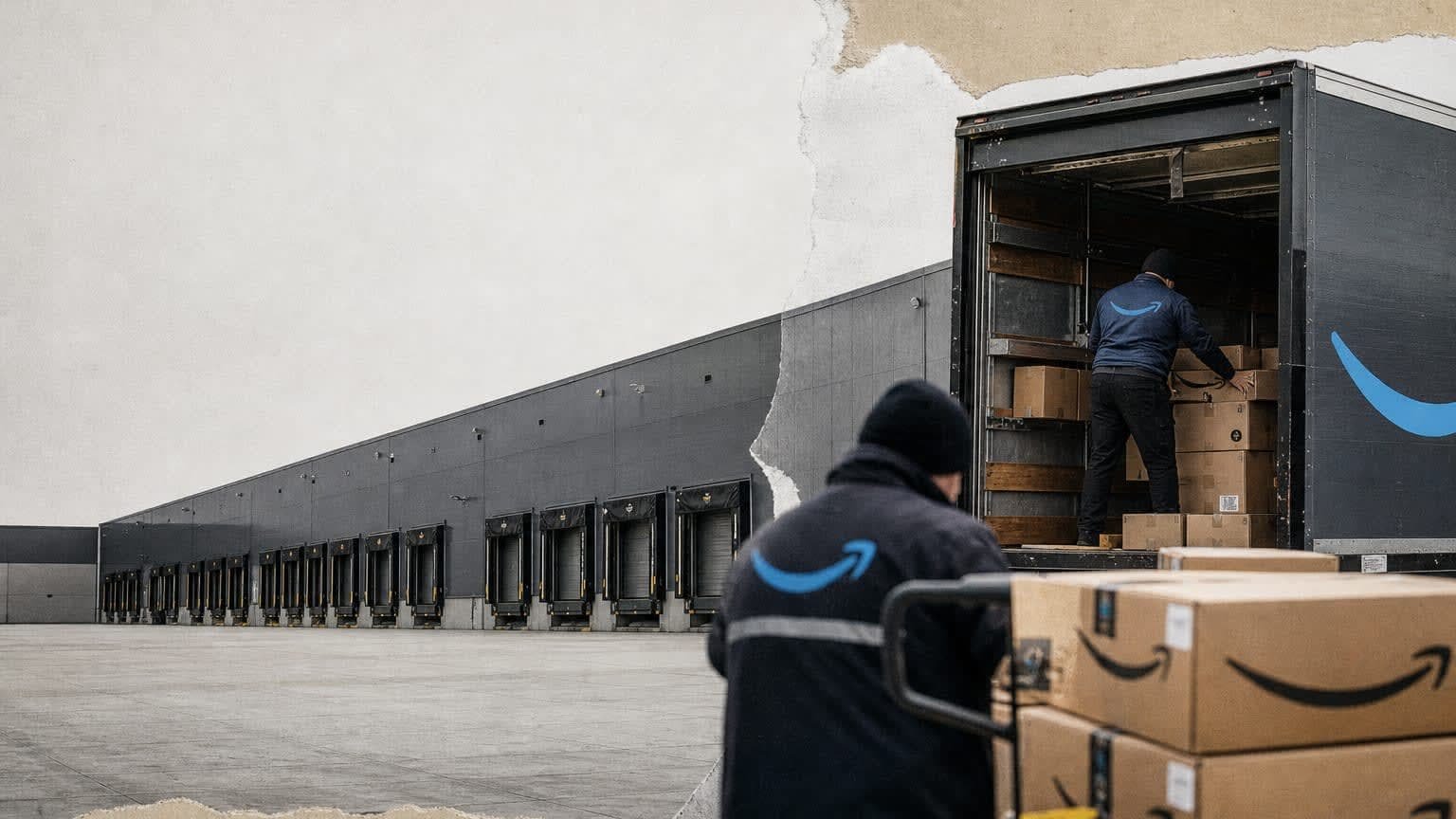
UPS is heading into the 2026 holiday shipping season with a much different customer mix after slicing the volume of packages it handles for Amazon roughly in half. The company expects U.S. average daily package volume to be down slightly year over year in the fourth quarter but anticipates stronger revenue per shipment and growth in more profitable customer segments will help offset the decline.
“We keep winning customers that pay us better for their shipments,” CEO Carol Tomé said Tuesday on the company’s third-quarter earnings call. The shift is already paying dividends for the carrier as it gears up for one of its busiest times of year.
Strong seasonal demand continues with lower volumes expected
More than 100 U.S. customers make up about 80 percent of UPS’ annual peak-season volume increase, said Tomé. Based on outlooks from these shippers, the company expects average daily package volume to increase about 25% between the third and fourth quarters. The increase would be in line with the increase pattern seen this time last year.
However, the expected year-over-year decline in Q4 U.S. volume is a reflection of UPS’ planned reduction in Amazon deliveries. The move is part of a broader strategy to focus on more profitable business, especially shipments from small and medium-sized companies and healthcare clients.
UPS expects revenue growth in the U.S. to rise 3% year over year in the fourth quarter, even with a forecast drop in package volumes. Revenue per package is likely to trend higher, along with incremental shipments from premium customer segments, Executive Vise President and Chief Financial Officer Brian Dikes said on a conference call.
Small businesses, healthcare strengthen UPS’ customer mix
This year the carrier has made concrete progress in broadening its customer base. Tomé said small and medium-sized businesses accounted for 35.1% of UPS’ total U.S. package volume in the third quarter, up about 240 basis points year-over-year.
It is also winning more and more important healthcare customers. Revenue for the segment exceeded $3 billion for the third consecutive quarter, establishing it as one of UPS’ top growth priorities.
This shift in the customer mix has already helped the company’s domestic financial performance. Average daily volume of packages declined 3.3%, but revenue per package rose 6.1% in the third quarter.
“About half of the increase in revenue per package was due to base shipping rates and a better customer mix,” Dikes said. The rest was higher fuel rates.
UPS hopes the trend continues as holiday shipments pick up steam. Dikes said, “We expect continued momentum in our small and medium business and enterprise customer base as seasonal volumes ramp at a similar pace to last year’s peak.”
New security services and automation prepare the network for peak demand
UPS is also introducing service and operational enhancements ahead of the 2026 holiday season.
One addition planned is Protected Delivery, a service designed to make packages more secure. The system requires the recipient to provide a PIN code to the courier before a shipment is released.
UPS’ website says Protected Delivery will be available starting November 16, and will cost $10.70 per shipment.
The company is also rolling out automation across its network and increasing its use of radio frequency identification (RFID) technology. The investments are aimed at reducing reliance on manual scanning and making package handling more efficient during peak periods.
Reduced volumes could ease pressure on transport capacity and staffing
“The anticipated fall in U.S. package volumes compared to Q4 last year may also simplify UPS’ operational planning. Less renting of extra trailers and leasing of aircraft would be required for a smaller amount of harder-to-handle shipments, Dikes said.
It would also relieve pressure on recruitment and training, allowing the company to avoid having to bring in and prepare as many employees within a short period of time.
UPS, however, plans to hire 100,000 seasonal workers for its holiday operations. The hiring surge will be paired with changes to its current driver workforce as the company adjusts to lower Amazon-related volumes.
About 1,500 drivers accepted buyout offers and left UPS in the third quarter under the Driver Choice Program, Dikes said. Most of those departures were at the end of the quarter.
a strategic move toward profitability
UPS’ preparation for the 2026 peak season is indicative of the company’s push to balance seasonal demand with a more selective approach to customer volume. The carrier is trying to get better returns from small businesses, healthcare providers and enterprise customers, rather than depend so much on Amazon shipments.
The shift is expected to be supported by higher revenue per package, ongoing automation and adjustments to transportation capacity. In the United States the company expects to process slightly fewer packages in the fourth quarter versus a year ago, but its revenue outlook signals that the changing customer mix could help keep growth going and alleviate some operational strain during the holiday rush.