



US maritime authorities are raising concerns about a potential identity theft scheme involving foreign freight forwarders that could expose vulnerabilities in the country’s ocean supply chains. The Federal Maritime Commission (FMC) has identified a pattern in which overseas operators allegedly misuse the corporate information and licence numbers of legitimate US-based freight forwarders to facilitate shipments into the country.
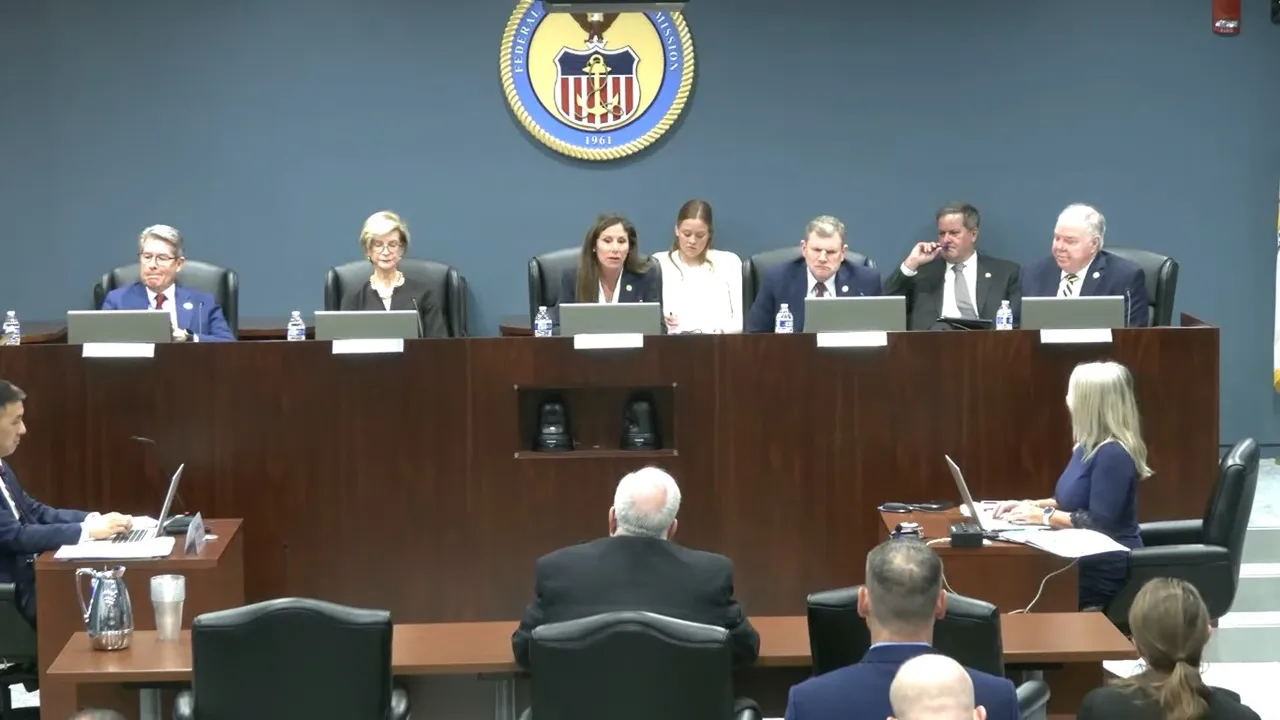
The issue was discussed during an FMC board meeting on 27 October by John Crews, the commission’s Director of Enforcement and Compliance. According to Crews, unregistered foreign entities are collecting publicly available business records from state Secretary of State offices and using the information to impersonate authorised domestic freight forwarders.
By obtaining corporate details and FMC licence numbers belonging to legitimate businesses, these operators can arrange shipments to the United States under false identities. The practice has raised questions about how fraudulent actors can exploit publicly accessible registration information to operate within international freight networks.
Questions about motive in legitimate freight
What makes the cases particularly puzzling is that the shipments are said to contain the goods declared by the operators. Crews told the commission that CBP has been intercepting cargo matching the descriptions it had received and that there did not appear to be any attempt to avoid customs duties.
“There is false information being used but the underlying shipments appear to be legitimate.” That has left investigators puzzling over what the potential payoff is for the people behind the scheme and why they are expending so much energy on impersonating established freight forwarding companies.
“The evidence we have suggests the operators have been shipping what they say they’ve been shipping,” crews said. The purpose of the activity, however, is unclear and there are concerns that a more sinister objective is being disguised by the apparent legitimacy of the cargo.
FMC enhances coordination with federal authorities
The commission has limited ability to take direct enforcement action against overseas entities outside its regulatory jurisdiction. “So it’s working closely with CBP, and it’s making federal law enforcement agencies aware of the issue.”
FMC Commissioners Rebecca Dye and Daniel Maffei have expressed serious concerns about the developing pattern. Illegitimate use of U.S. business credentials can be a preliminary test of techniques aimed at introducing illicit goods into the American supply chain, Maffei said.
FMC Chair Laura DiBella also had strong suspicions about what the activity might mean. She noted the commission’s growing collaboration with CBP, saying the partnership could help address this and other areas where the agencies can collaborate.
The priority is to better understand how the scheme works, to identify the risks it poses, and to enhance coordination among the authorities responsible for protecting the integrity of US freight movements.
A known threat to the logistics industry
The concerns in the maritime industry are similar to a major fraud problem that has recently plagued the US trucking industry. “Identity theft and double-brokering schemes have wreaked havoc on freight operations and cost the industry hundreds of millions of dollars a year.
In some cases, fraudulent operators have used the federal registration numbers of unsuspecting businesses or fictitious corporate identities to steal freight payments. These practices have made it harder for legitimate operators to safeguard their commercial identities and to ensure that transactions are handled by authorized parties.
The trucking fraud crisis has echoes in emerging maritime cases, indicating that identity verification is still a formidable problem in many parts of the freight industry.
Potential Model: FMCSA Changes
The Federal Motor Carrier Safety Administration (FMCSA) has implemented several enforcement and registration reforms to address fraud in the road freight transportation industry. This includes new requirements on the identity verification of new registered operators, to prevent fraudulent entities from entering the market under false or stolen identities.
The agency also upgraded its registration infrastructure and implemented more stringent financial security requirements for broker surety bonds. The changes are designed to make it more difficult for fraudulent companies to set up and prey on legitimate freight operators.
The FMC is investigating the maritime cases and is working with customs and federal law enforcement. The lessons from the trucking industry could be valuable in addressing similar vulnerabilities in ocean freight. The key question is still why these operators are using stolen credentials, when the shipments seem legitimate, and whether the activity is hiding a larger threat to the security of US supply chains.