



A full return to safe shipping through the Strait of Hormuz could take six months or longer even after the war with Iran comes to an end.
The main reason is the mine threat. According to a source familiar with military operations quoted by FreightWaves, Iran has mined the narrow waterway controlling access to the Persian Gulf.
A historical comparison highlights the scale of the challenge. In 1991, after the Iraq war, it took the United States six months to recover around 1,300 mines, an operation that resulted in the destruction of two American warships.
The source noted that at that time the US at least had a map of where the mines had been laid. Today, the situation is believed to be much more difficult: no one knows exactly how many mines were deployed or where they are located. Some may also drift over time, raising the possibility of incidents continuing well into the future.
In that context, the source said it would be entirely normal for insurers and underwriters who have already declared force majeure in the region to assume a six-month delay between the end of hostilities and a safe return to vessel operations.
Marine insurers say war risk cover for the Strait of Hormuz is still technically available, but surging premiums and safety concerns are making transits far less attractive. Published reports indicate that premiums have risen to 1% to 5% of hull value, up to ten times the pre-war level of under 1%. Lloyd’s List has reported premiums of $10 million to $14 million for a VLCC, and as much as three times that amount for US-connected vessels.
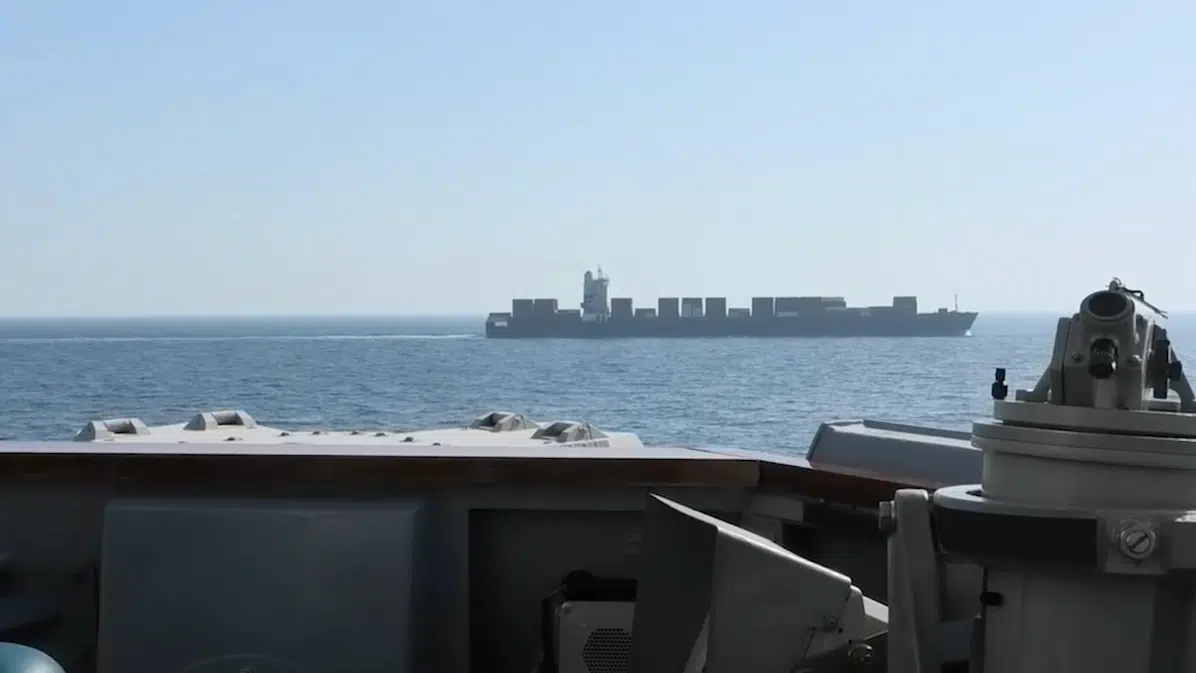
The military situation remains active. US Central Command said on Sunday that a guided missile destroyer fired on the Iranian-flagged container ship Touska, which was heading to Bandar Abbas, after its crew failed to comply with repeated warnings under the US blockade. Once disabled, the vessel was boarded by Marines and taken into custody.
Meanwhile, in Washington, the Federal Maritime Commission has twice rejected requests from carriers including Maersk to waive the 30-day waiting period for emergency fuel surcharges. The operators argue that war-driven bunker fuel increases are testing the limits of their financial resilience. Maersk has submitted a third request, with a ruling still pending.