



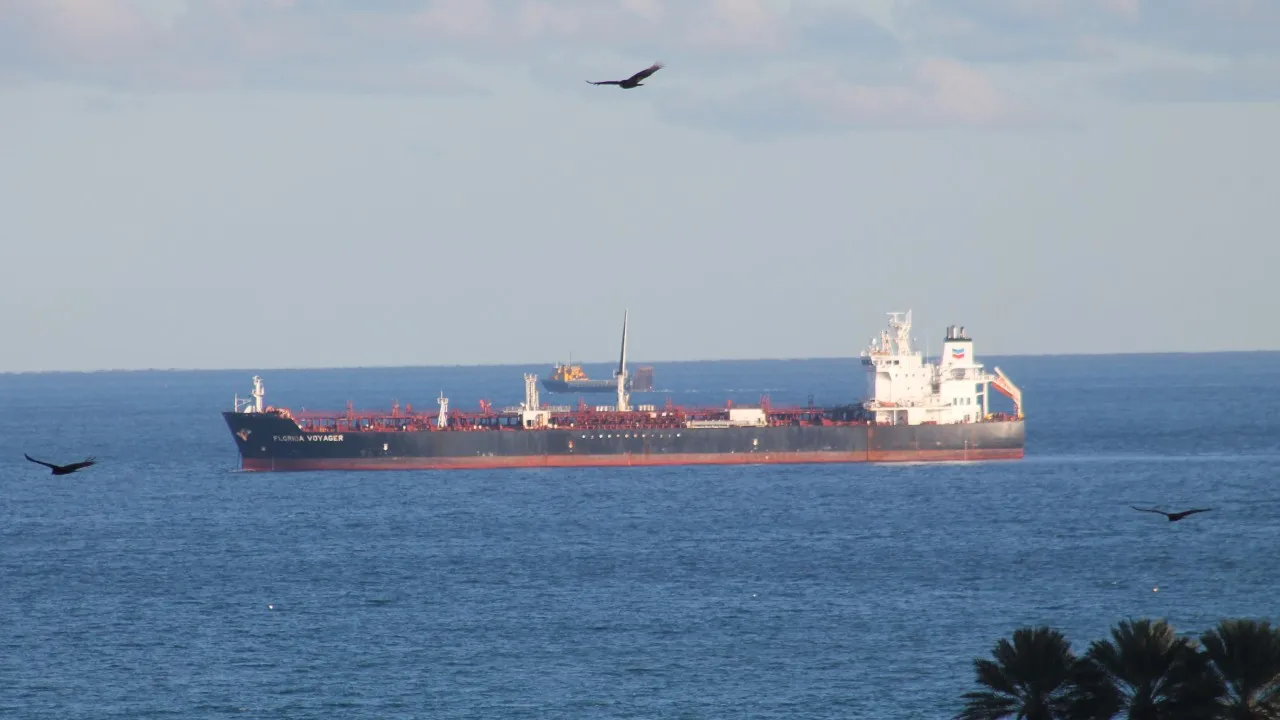
Companies seeking a waiver from the Jones Act will have to undergo a more detailed review process under the latest extension of the waiver program that went into effect Aug. 17.
Under the new arrangements approvals will not be automatic. The U.S. Maritime Administration (MARAD) will look to see if there are any qualified U.S. vessels available to carry the proposed cargo between U.S. ports.
The requirements are of special interest to those in the maritime industry who may be considering the use of vessels under a foreign flag for domestic transport.
Needed detailed information
According to guidance cited by law firm Holland & Knight, waiver applications received by MARAD and the U.S. Department of War must contain detailed information about the proposed voyage.
The applicant shall identify the vessel, including its name, IMO number and flag, and provide the names and countries of the owner and operator of the vessel.
The application should also identify the carrier and give the intended dates of the voyage.
Cargo and port data
Applicants must provide detailed information about the cargo and its movement.
This includes the relevant ports of call and dates and the location and date of loading and unloading. Applications also must include a description of the cargo, including the commodity, applicable Harmonized Tariff Schedule (HTS) code and hazardous-material code, if applicable.
The expected number of units to be shipped per shipment, and the expected frequency of shipments, should be provided also.
National defense rationale
A key element of the application is an explanation of why the proposed voyage is considered to be in the interest of national defense.
Depending on the circumstances of the proposed transportation, MARAD may also require additional information.
These may include special shipping or stowage requirements, date charterparty was executed, lay days in charterparty and contractual load date.
Increased scrutiny of foreign flagged tonnage
The changes mean companies can no longer count on an automatic waiver if they try to use vessels flying foreign flags to move cargo between U.S. ports.
MARAD will instead look at the availability of qualified vessels before deciding if the proposed movement can go forward under a waiver.
The new process is making it increasingly important for operators and cargo interests to make detailed preparation, particularly where cargo movements involve vessels of a specialized nature, unusual stowage requirements or tight charter schedules.