



Maersk has shifted the majority of its eastbound container traffic from Southern California away from BNSF Railway and onto Union Pacific (UP), marking a significant change in one of the busiest freight corridors in the United States.
According to rail analytics company RailState, Union Pacific now handles the majority of Maersk’s inland rail shipments leaving the Ports of Los Angeles and Long Beach, a sharp increase from just a small share only a few weeks earlier.
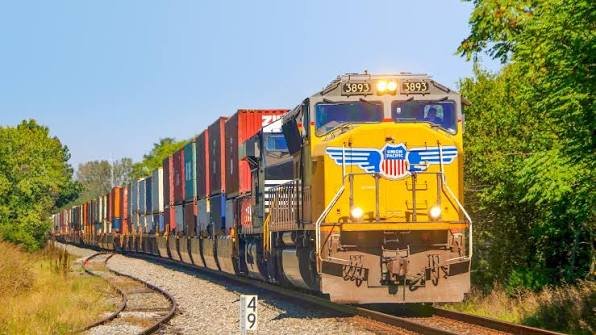
The change involves roughly 1,000 TEUs per week, with most of the containers travelling on Union Pacific’s Sunset Route toward major inland hubs such as Chicago and Dallas.
RailState noted that these types of network changes are rarely announced publicly and are usually only noticed months later through company reports. By tracking container movements across the rail network, the company observed the shift as it happened.
Data shows that BNSF previously handled around 90% of Maersk’s traffic on this corridor. However, Union Pacific’s share climbed rapidly from single digits in May to more than 50% by early June before continuing to grow.
Maersk said the move is part of its normal approach to managing inland transportation.
The company explained that it regularly balances cargo between its rail partners to maintain reliable capacity, particularly as the industry enters the peak shipping season. It added that any routing changes affecting customers are managed directly with them.
The shift also comes as Union Pacific experiences stronger intermodal demand ahead of the summer peak season. The railroad recently extended its US$300 peak-season surcharge for certain shipments leaving Southern California, saying the measure reflects strong demand and the need to maintain network capacity.
While neither railroad has disclosed the commercial reasons behind the change, the move highlights how major ocean carriers continue to adjust inland transportation strategies to improve capacity, service reliability and overall supply chain performance.